


 Author: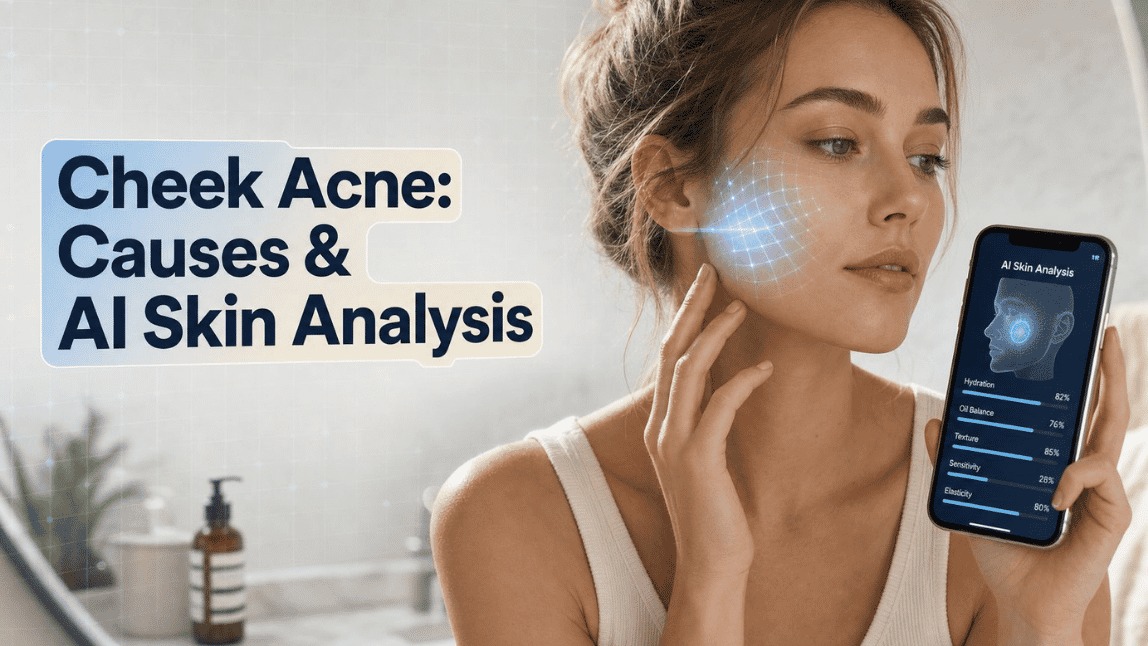
Summary: Cheek acne has a branding problem. Half the internet insists it's your phone; the other half swears it's your stomach, your lungs, or some ancient face-mapping chart that hasn't been updated since incense was cutting-edge skincare tech.
This guide breaks down what's actually the popular questions, what's triggering breakouts on the cheeks, separates real dermatology from TikTok folklore, and shows how AI-powered skin analysis can read the skin more precisely than any ancient chart (or guessing game) ever could.
Q1: What Does Acne on the Cheeks Actually Mean?
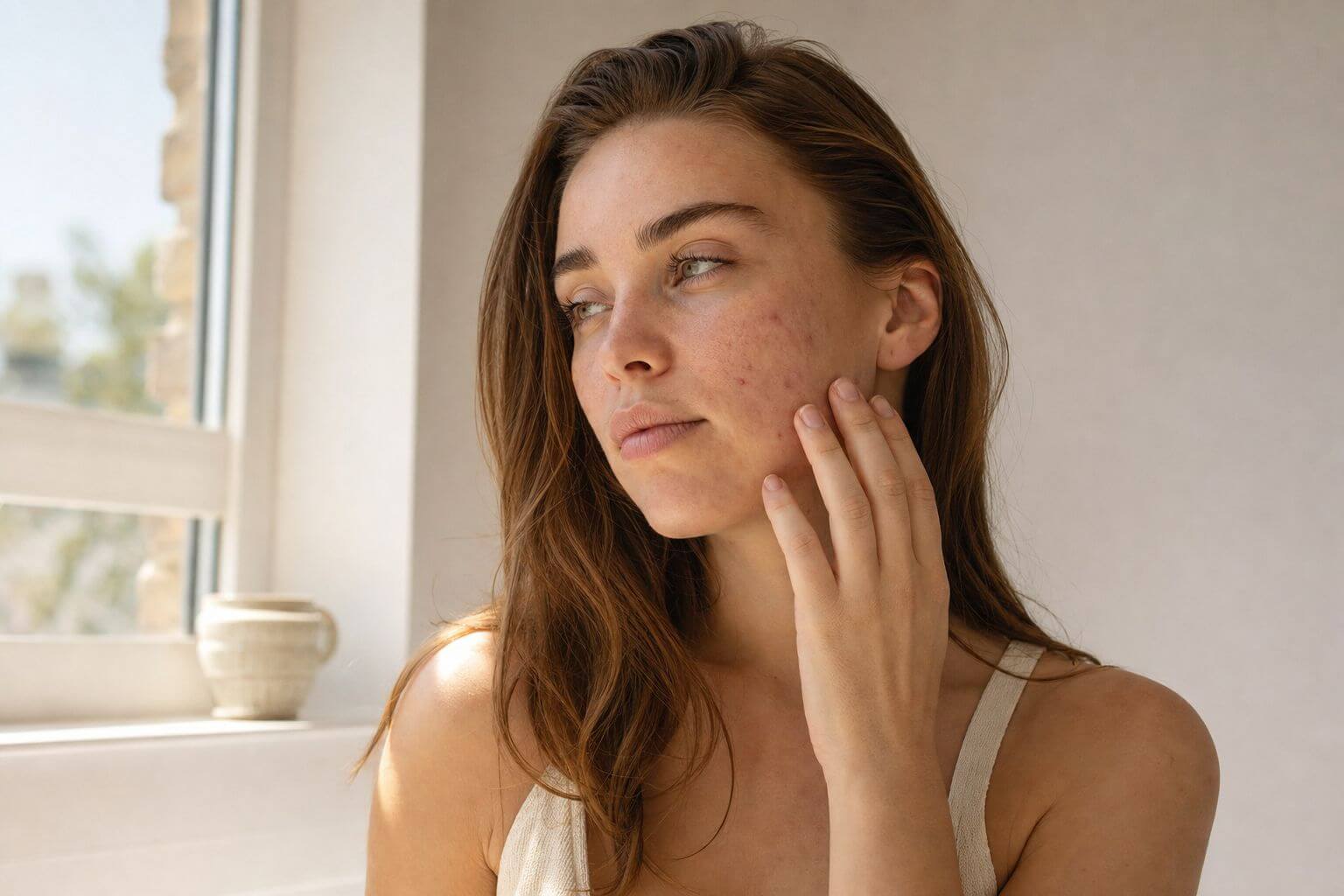
Short answer: it depends, and it's usually less dramatic than the internet makes it sound. Cheek breakouts typically come down to one of four culprits — friction, bacteria, product buildup, or hormones, and often it's a combination throwing a party on your face at once.
Unlike jawline or chin breakouts, which dermatologists more confidently tie to hormonal shifts, cheek acne is the wildcard of the face. It's the zone most exposed to the outside world: your phone, your pillow, your hands, your mask (still a thing for some jobs), and every surface you didn't think twice about touching today.
Q2: What Are the Different Types of Cheek Acne?
Not all breakouts are created equal, and treating a blackhead like a cystic pimple (or vice versa) is how people end up over-drying their skin without actually fixing anything.
| Type | What It Looks Like | Best First Move |
|---|---|---|
| Blackheads / Whiteheads | Small, non-inflamed bumps, often texture you can feel | Salicylic acid, gentle exfoliation |
| Papules / Pustules | Red, inflamed, sometimes with visible pus | Benzoyl peroxide, non-comedogenic care |
| Nodules / Cysts | Deep, painful, under-the-skin bumps | Dermatologist visit, prescription treatment |
| Acne Mechanica | Clusters aligned with phone or strap contact areas | Remove friction source, clean surfaces regularly |
Let AI Precisely Tells You What & How Much Acne Are On Face?
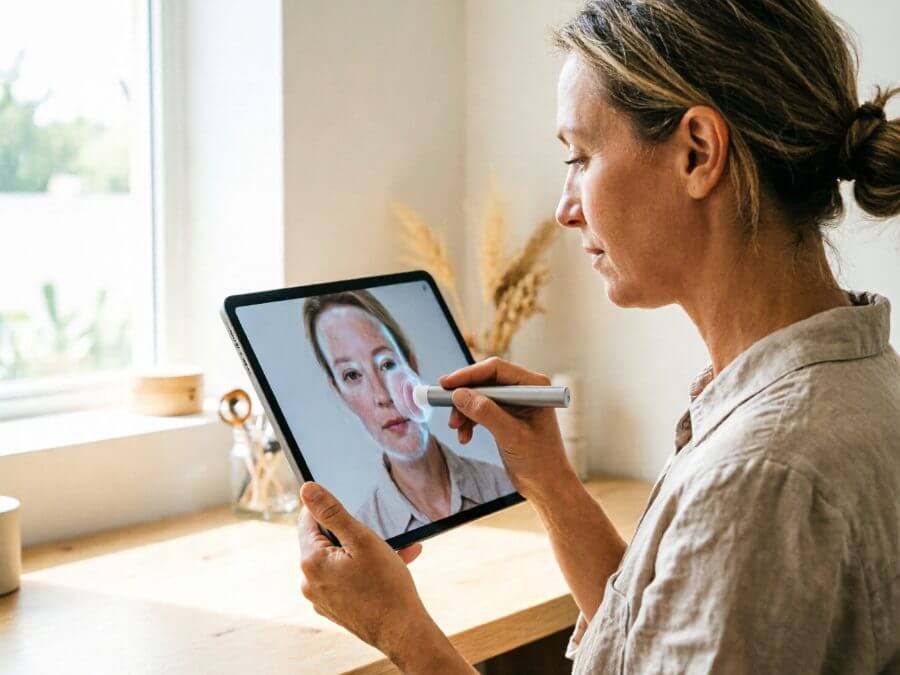
Perfect Corp's AI Skin Diagnostic technology scans for acne severity, oil levels, redness, texture, and more, delivering results with up to 95% test-retest reliability.
For acne, the AI can distinguish which type of acne is on the face and then uses mapping technology to pinpoint the affected area, displaying it in different color layers.
Q3: Is Face Mapping for Cheek Acne Legit, or Just a Skincare Horoscope?
Here's the part nobody wants to hear: traditional face mapping, the chart claiming your left cheek means "liver" and your right cheek means "lungs," has about as much clinical backing as reading your palm. It's centuries old, it's charming, and it makes for a great Instagram infographic — but modern dermatology treats it as folklore, not diagnosis. Real acne is multifactorial: genetics, hormones, diet, stress, skincare habits, and environment all get a vote.
Q4: What Causes Acne on the Cheeks?
Let's play detective. Cheek breakouts are rarely one-note — they're usually a layered mess of habits, hormones, and hygiene gaps.
Is It Your Phone? (Acne Mechanica)
Dermatologists have a name for this: acne mechanica, breakouts caused by friction, heat, and pressure rather than pure oil overproduction. Your phone screen is a bacterial hangout spot, and pressing it against your cheek for a 40-minute call is basically hosting a party for clogged pores. Same logic applies to chin straps, helmets, and sleeping face-down on the same pillowcase for a week straight.

Dirty Pillowcases, Makeup Brushes & Bacteria
Pillowcases collect oil, sweat, and product residue faster than most people want to admit. Add an unwashed makeup brush into the mix and your cheeks are essentially getting reintroduced to last week's bacteria every single morning.
Can Diet Really Trigger Cheek Breakouts?
There's growing evidence that high-glycemic foods and dairy can spike insulin levels, which in turn ramps up oil production. It's not a guaranteed trigger for everyone, but for some people, cutting back on sugar-heavy or dairy-heavy diets shows up on their skin within weeks.
Are Hormones to Blame?
Sometimes — but less often than you'd think for cheeks specifically. Hormonal acne tends to cluster around the jawline and chin. If your cheek breakouts show up like clockwork with your cycle, hormones are worth investigating. If they're random and scattered, look at friction and hygiene first.
Want to see exactly what's causing your breakouts instead of guessing? Try Perfect Corp's AI Skin Diagnostic tools and get pore-level insight in seconds, not weeks.
Q5: How Do You Get Rid of Acne on Your Cheeks?
Daily Habits That Actually Help
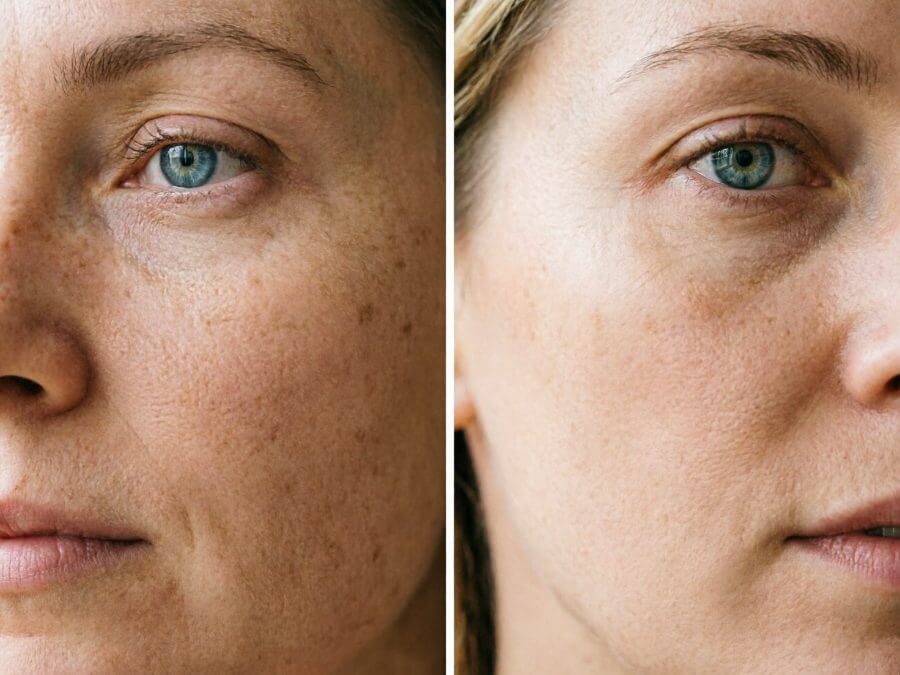
Wash pillowcases weekly, clean your phone screen daily, and stop resting your face on your hand during every meeting (yes, this one's a real habit worth breaking). Small, boring, consistent changes outperform dramatic 10-step routines almost every time.
What Ingredients Should You Look For?
Salicylic acid for clogged pores, benzoyl peroxide for inflammation, niacinamide for calming redness and regulating oil. Introduce one at a time — layering three new actives in one week is how skin barriers stage a rebellion.
Small, boring, consistent changes outperform dramatic 10-step routines almost every time
When Should You See a Dermatologist?
If breakouts are painful, cystic, scarring, or not responding to 8-10 weeks of consistent over-the-counter treatment, it's time for a professional. Prescription options like topical retinoids, antibiotics, or spironolactone exist for a reason, and a dermatologist can pinpoint what OTC products can't.
Q6: Can AI Read Your Cheek Acne Better Than Face Mapping Can?
Here's where things get genuinely interesting. Instead of relying on a centuries-old chart to guess what your skin is trying to say, AI-powered skin analysis actually looks — pixel by pixel, pore by pore — and tells you what's really going on.
Perfect Corp's AI Skin Diagnostic technology delivers results with up to 95% test-retest reliability. The measurable, repeatable skin data, the kind estheticians, dermatologists, and skincare brands can actually build a treatment plan around.
Curious what it actually detects? Explore the AI Skin Diagnostic and run a live scan yourself.
Q7: How Are Beauty Brands Using AI to Solve Customer Acne Concerns?
This isn't just a nice-to-have for curious consumers — it's becoming table stakes for skincare and beauty brands. Retailers, medspas, and D2C skincare brands are embedding AI skin analysis directly into their websites and in-store kiosks so customers get personalized product recommendations instead of wandering the aisle guessing.
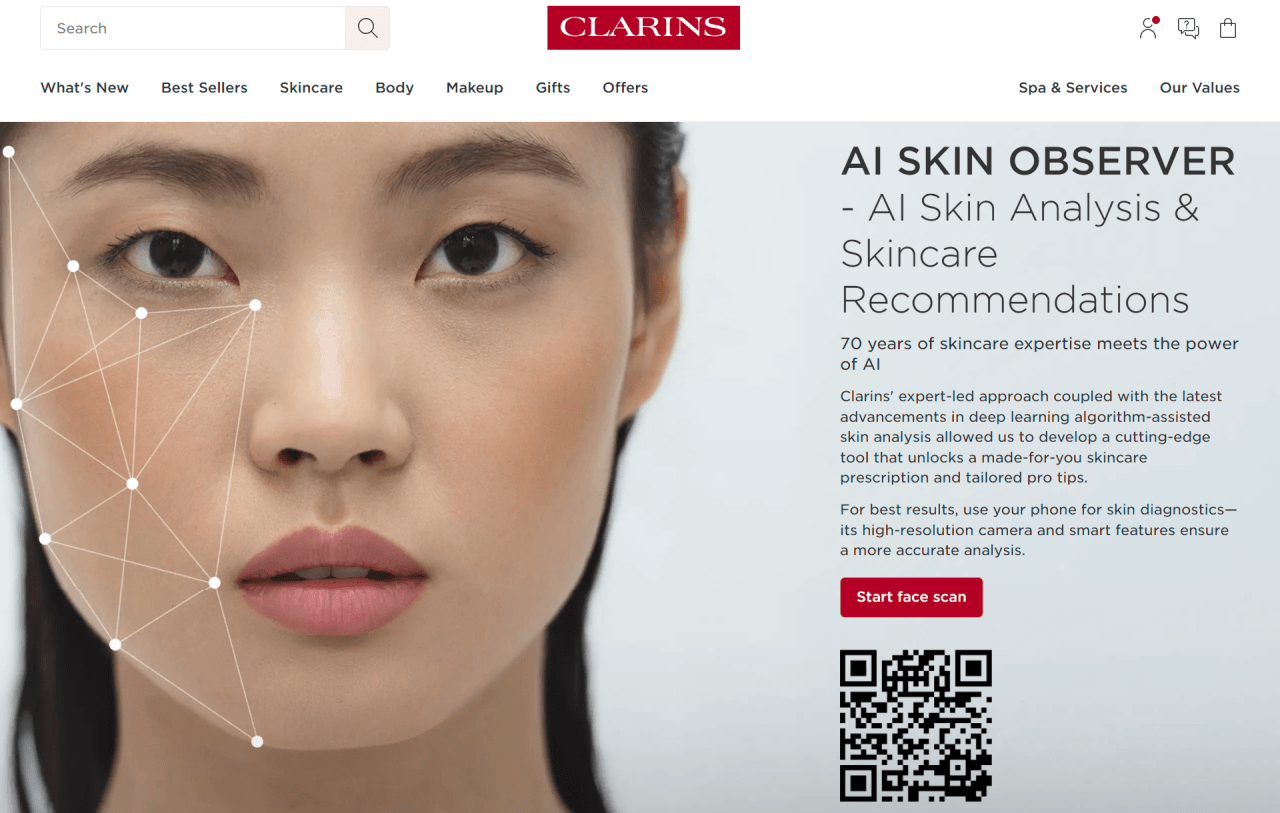
Brands using Perfect Corp's AI-powered skin tools report higher conversion and lower return rates, because customers aren't buying blind — they're buying based on an actual scan of their skin. It's the difference between "this serum looked good on Instagram" and "this serum targets the exact concern my skin scan flagged."
Running a skincare brand or clinic? Contact Perfect Corp for a demo and see how AI skin diagnostics can fit into your customer journey.
FAQ
Why do I suddenly have acne on my cheeks?
Sudden cheek breakouts are usually tied to a recent change — a new pillowcase routine, increased phone use, a new skincare or makeup product, or a shift in diet or stress levels. Track what changed in the past 2-3 weeks before assuming it's hormonal.
Does face mapping for acne actually work?
Not in the way it's often marketed. There's little scientific evidence behind traditional face-mapping claims. Acne is multifactorial, and location alone rarely tells the full story — texture, type, and pattern over time matter far more.
What is the fastest way to get rid of cheek acne?
Consistency beats speed here. Gentle cleansing twice daily, a non-comedogenic moisturizer, and a targeted active like salicylic acid or benzoyl peroxide typically show visible improvement within 4-6 weeks. Spot treatments can reduce inflammation faster, but they don't replace a full routine.
Can stress cause acne on the cheeks?
Yes — stress raises cortisol, which can increase oil production and inflammation. It's rarely the sole cause, but it's a common amplifier alongside friction or hormonal triggers.
When should I see a dermatologist for cheek acne?
If breakouts are cystic, painful, leaving scars, or not improving after 8-10 weeks of consistent OTC treatment, it's time to bring in a professional for prescription-strength options.
Is cheek acne linked to hormones?
Less often than chin or jawline acne, but it's possible, especially if breakouts follow a predictable monthly pattern. If they're scattered and unpredictable, friction and hygiene are more likely culprits.



 English


