


 Author: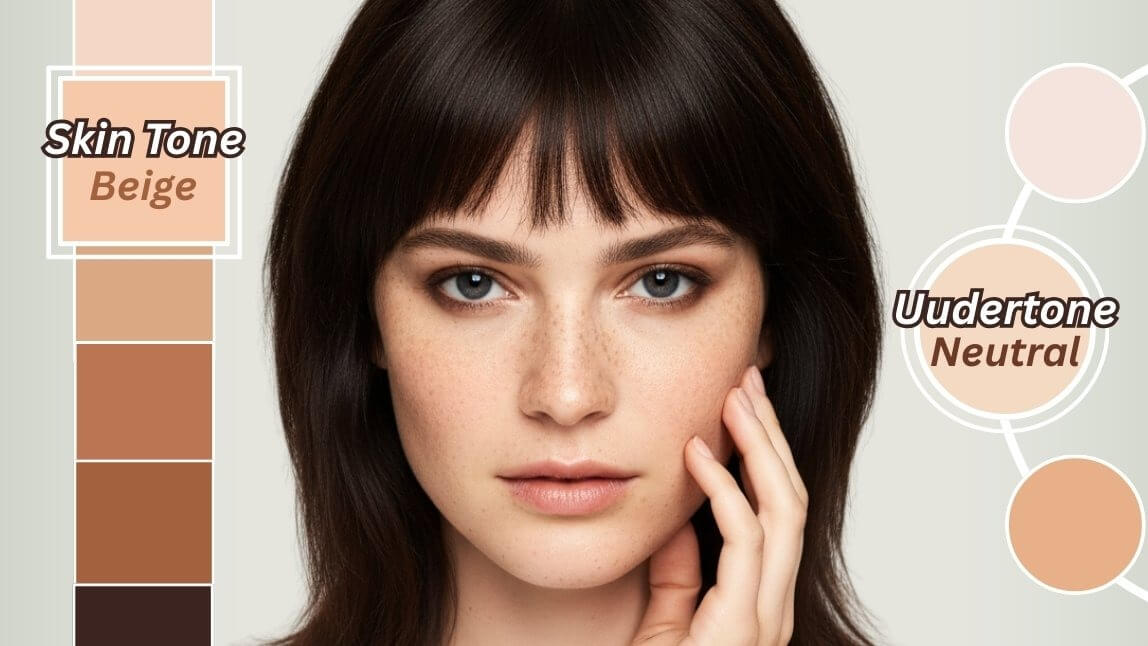
The Universal Struggle of Color Matching
Imagine standing in a brightly lit beauty aisle, holding three different foundation bottles, and feeling utterly baffled. You are not alone; studies show that a significant percentage of beauty consumers purchase the wrong makeup shade at least once a year. This frustration stems from the complexity of human skin, which is a dynamic canvas of shifting hues rather than a single static color.
For beauty brands and retailers, this confusion translates directly into high return rates and customer dissatisfaction. Solving the 'what is my skin tone' equation is not just a consumer desire; it is a critical business imperative.
Undertone vs. Surface Tone: The Critical Difference
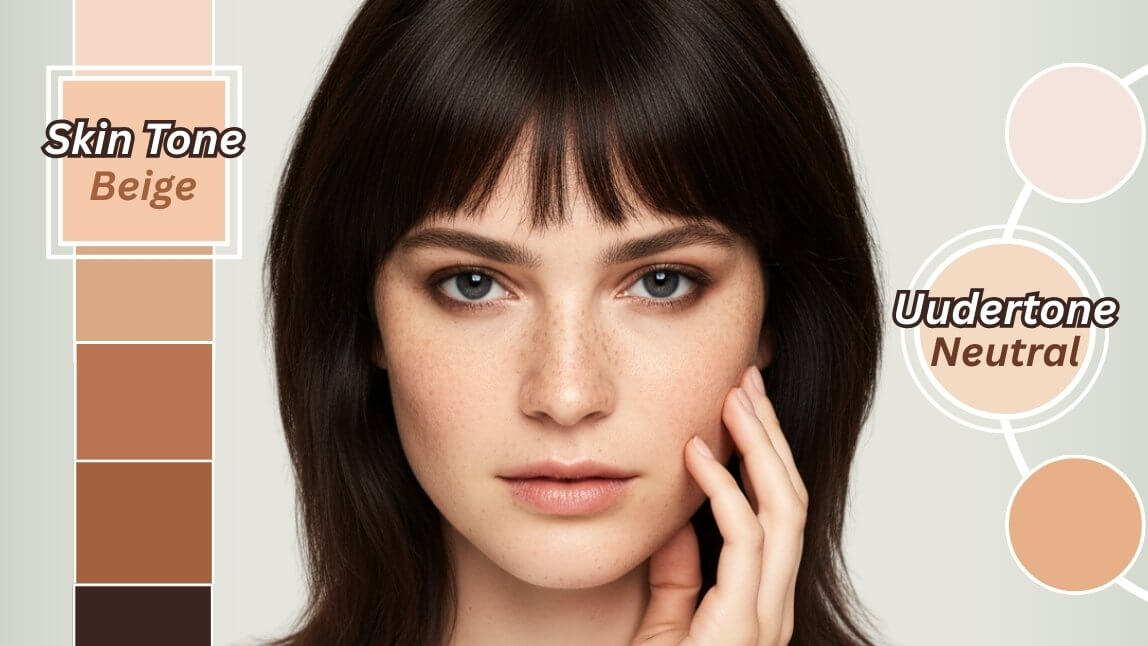
To master color matching, one must first distinguish between surface tone and undertone.
Surface tone is the color you see immediately in the mirror, which can change due to sun exposure, rosacea, or seasons. It is often categorized as fair, light, medium, tan, or deep.
Undertone, however, is the muted color beneath your skin that remains constant throughout your life. It affects how foundation blends and settles on your face. Ignoring the undertone is the most common reason a foundation looks 'mask-like' or turns orange after application.
Undertones generally fall into three categories: Cool (pink, red, or blue hues), Warm (peach, yellow, or golden hues), and Neutral (a balance of warm and cool). Identifying this correctly is the secret key to unlocking your most flattering palette for makeup, hair color, and even clothing.
Why Traditional 'Hack' Tests Often Fail
For decades, magazines have promoted the 'Vein Test' as the gold standard. The theory suggests that blue veins indicate cool undertones, while green veins suggest warm ones. While simple, this method is notoriously subjective and difficult to interpret for those with deeper skin tones or low visibility of veins.
The 'Jewelry Test' is another popular method, asking whether silver or gold jewelry looks better on you. Silver is said to flatter cool tones, while gold complements warm tones. However, this is largely a matter of personal preference and style, making it an unreliable metric for scientific color analysis.
The 'White Paper Test' involves holding a piece of white paper against your face to see what colors are cast. While better than nothing, ambient lighting dramatically affects the results. A warm room light can easily trick you into seeing yellow tones that do not exist, leading to incorrect product choices.

The AI Revolution: Precision Meets Personalization
Enter the era of Artificial Intelligence, where guesswork is replaced by data-driven precision. Perfect Corp’s AI Skin Tone Analysis technology represents a quantum leap forward. It does not just 'guess' a color; it analyzes a multidimensional array of facial features to determine an exact match.
Unlike the human eye, which can be fooled by shadows or poor lighting, this advanced API detects facial skin tone along with eye, eyebrow, lip, and hair colors simultaneously. This holistic approach ensures that the recommended palette harmonizes with your entire look, not just a patch of skin on your cheek.
For the user, the experience is magical: a simple camera scan delivers a professional-grade analysis in seconds. It bridges the gap between the professional consultation chair and the digital device in your hand. This accessibility democratizes expert beauty advice for everyone, everywhere.
Inside the Tech: How AI Sees Your Skin
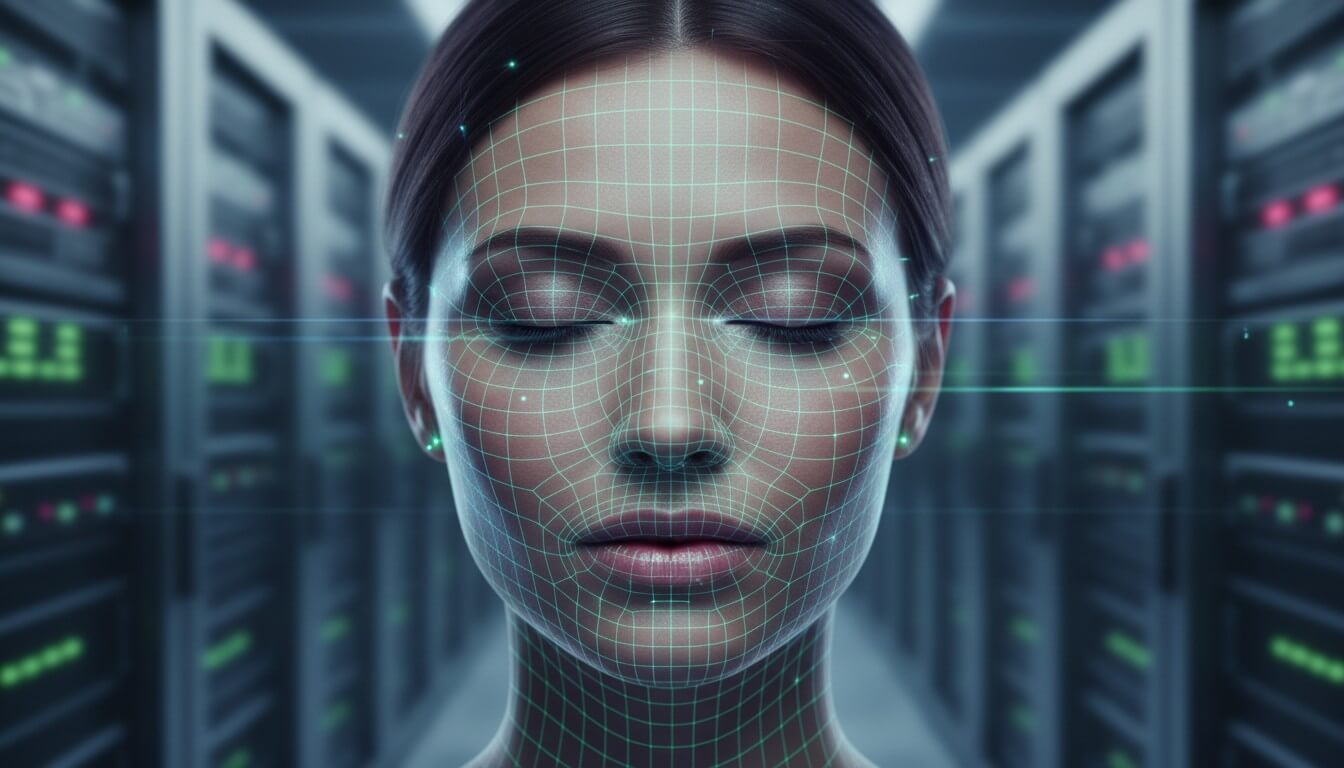
The technology is powered by deep learning algorithms trained on tens of thousands of diverse images across the entire Fitzpatrick scale. This ensures inclusive and accurate results for every ethnicity and skin type.
One of the most robust features is its ability to handle lighting variations. By utilizing AI Photo Lighting and AI Color Correction principles during the analysis phase, the engine normalizes the input image.
For Brands: Turning Accuracy into Revenue
For B2B decision-makers, integrating AI Skin Tone Analysis is a strategic move to optimize the funnel. When a customer is confident in their shade match, conversion rates skyrocket. It effectively removes the 'fear of buying wrong' barrier that plagues online cosmetics sales.

Beyond sales, the data collected provides incredible insights for product development. Brands can see aggregate data on which skin tones are most prevalent among their user base, allowing them to expand shade ranges where demand is highest. This data-driven inclusivity builds immense brand equity.
The integration is seamless thanks to standard RESTful APIs. Whether for a mobile app, a web widget, or an in-store tablet experience, the AI Skin Tone Analysis API delivers consistent performance. It empowers beauty advisors to validate their recommendations with digital proof, enhancing the in-store service experience.
The Future of Hyper-Personalized Beauty
We are moving toward a future where 'finding' your product is replaced by 'generating' your product. Combining skin tone analysis with AI Foundation Generation could allow consumers to order custom-mixed formulas on demand. The static shelf of 40 shades will evolve into an infinite spectrum of possibilities.
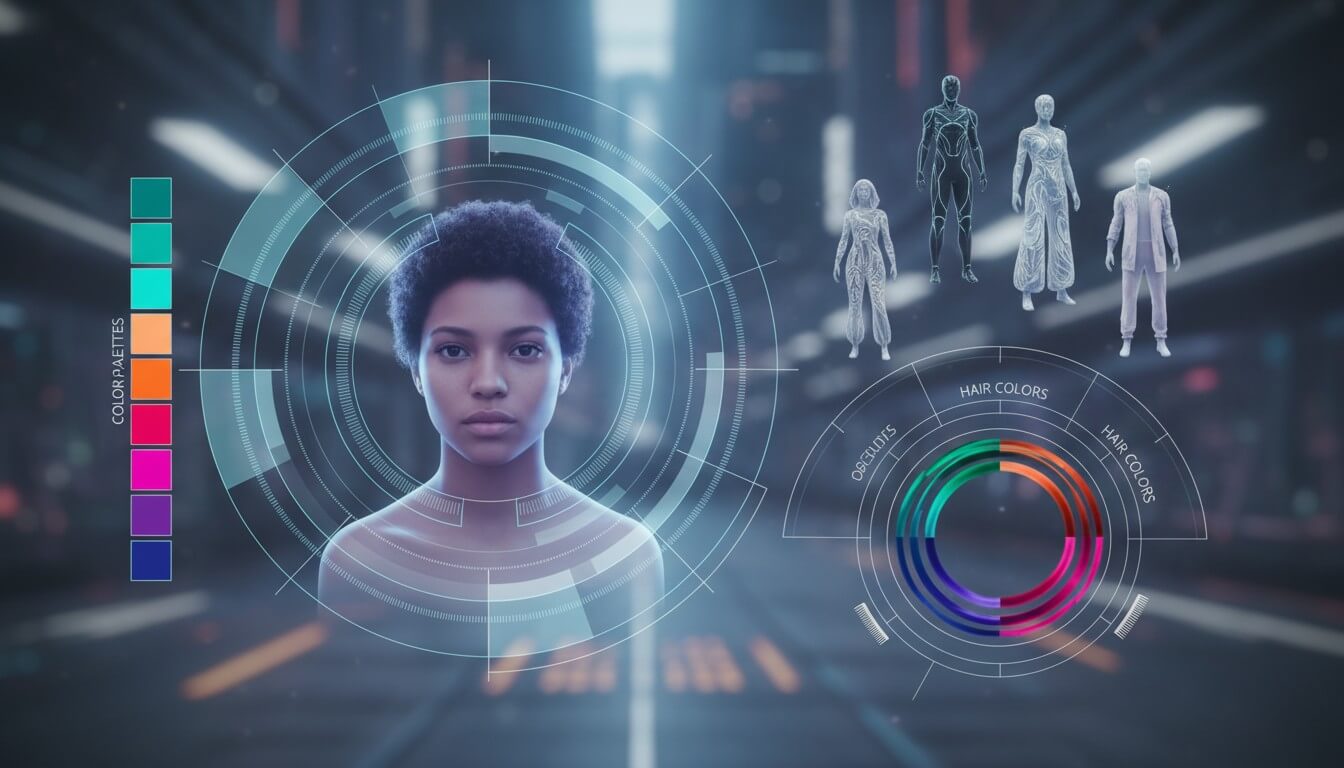
Additionally, knowing your skin tone opens doors to other personalized recommendations, such as AI Hair Color and AI Clothes suggestions. If you know you have a cool undertone, the AI can automatically filter an apparel store to show you jewel tones that make you shine, bypassing colors that might wash you out.
As we step into 2026, the question 'What is my skin tone?' will no longer be a source of anxiety. With Perfect Corp’s innovations, it becomes the starting point of a personalized, empowering, and highly accurate beauty journey. Embrace the technology that sees the true you.



 English


