


 Author: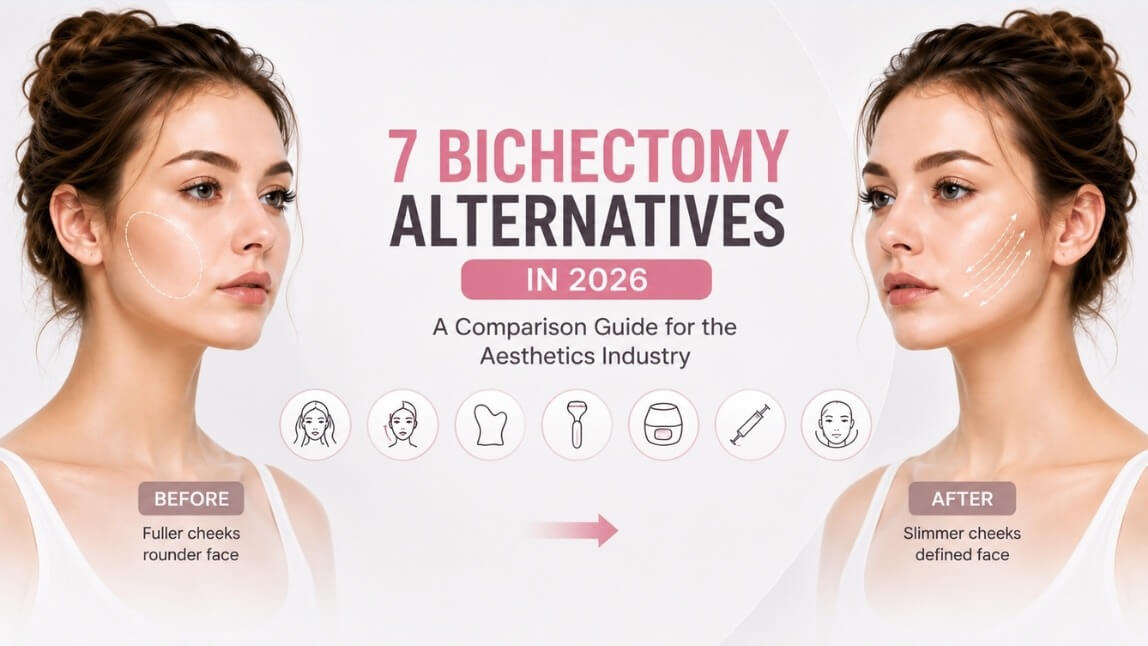
Bichectomy (buccal fat removal) is having a moment, but it's a surgical procedure with incisions, swelling, and a permanent result you can't undo if you change your mind. Before you commit to anything permanent, it's worth seeing what the result might actually look like — Perfect Corp's AI Face Reshape Simulator lets you preview a slimmer jawline or cheek contour on your own photo in seconds.
Here's the short version: bichectomy has a real lineup of non-surgical and less-invasive competitors — from fat-dissolving injections to Botox to HIFU skin tightening — each with different trade-offs in cost, downtime, and permanence.
What Is Bichectomy, Quickly?
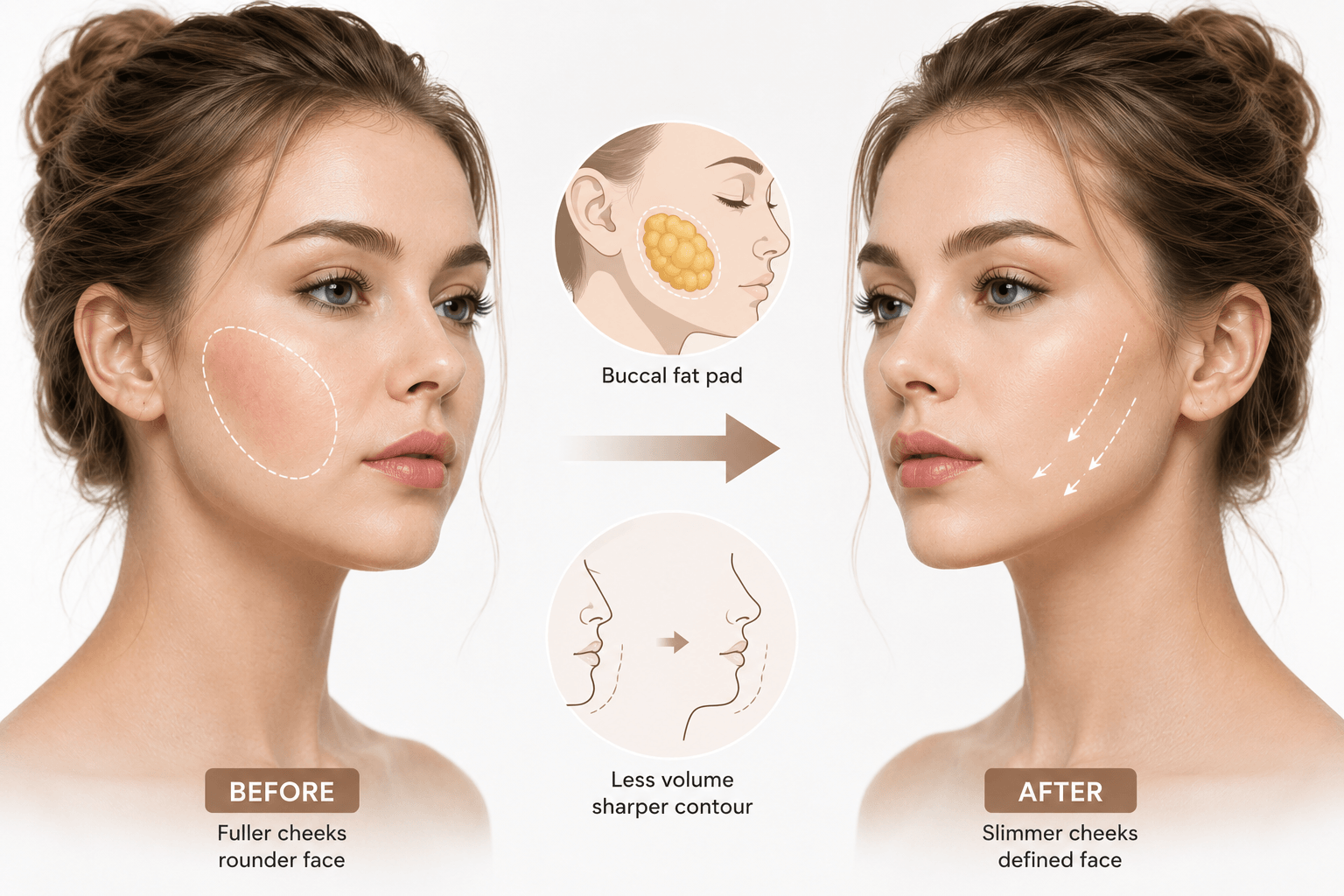
Bichectomy removes the buccal fat pad — a small pocket of fat deep in the cheek — through tiny incisions inside the mouth. It's fast (30–45 minutes), done under local anesthesia, and the slimming effect is permanent because the fat cells are physically gone. That permanence is exactly why so many people pause before scheduling: there's no "undo" button if your face changes shape as you age, and those cheeks would've actually helped fill things back out.
Why People Look for a Bichectomy Alternative
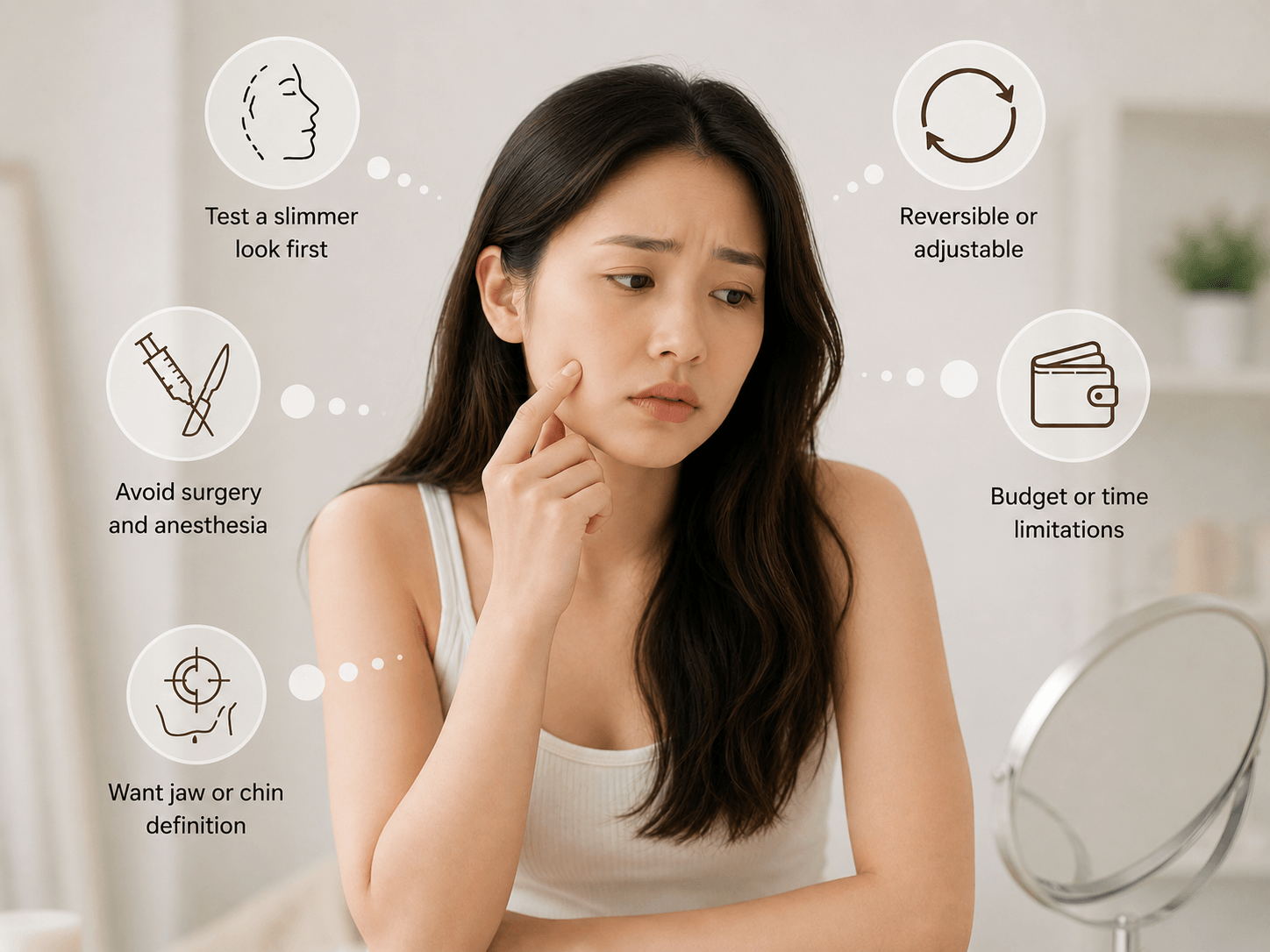
- They want to test a slimmer look before committing to surgery
- They're not comfortable with intraoral incisions or general anesthesia
- Their goal is jaw or chin definition, not cheek fat specifically
- They want something reversible or adjustable over time
- Budget or recovery time doesn't allow for a surgical procedure
Previewing Results Before Commit
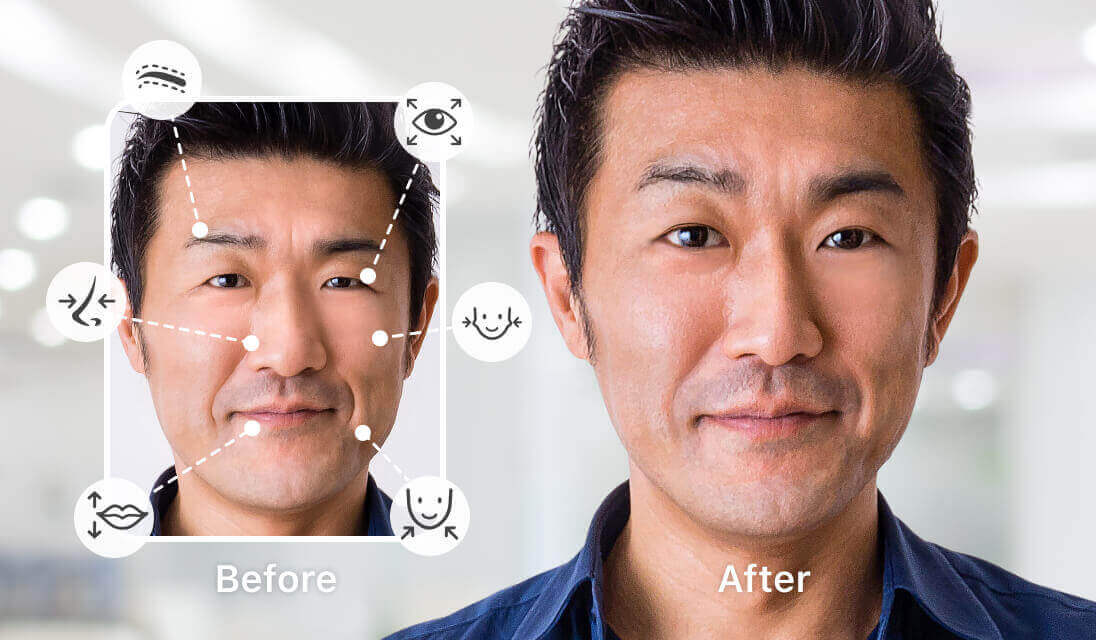
Because bichectomy is irreversible and even the non-surgical options require real time and money, more clinics are pairing consultations with AI-based simulation so patients can see a realistic projection of a slimmer jawline or higher cheekbones on their own photo — before scheduling anything. It won't replace a surgeon's judgment, but it does turn "I think I'd like a slimmer face" into an actual before/after image you can sit with for a week. Perfect Corp's AI Face Reshape Simulator shows this kind of simulation in action, and it's increasingly built directly into med-spa and clinic booking sites via API.
Try Perfect Corp's AI Face Reshape Simulator Free →
7 Alternatives to Bichectomy, Ranked by Invasiveness
1. Facial Lipolysis (Injectable Fat-Dissolving Treatments)
Facial lipolysis uses deoxycholic acid or similar compounds injected into the cheek to break down fat cells gradually over several sessions. It's the closest non-surgical cousin to bichectomy because it actually reduces fat volume rather than just relaxing muscle or adding filler.
Best for: mild-to-moderate cheek fullness, people who want gradual, adjustable results.
Trade-off: needs multiple sessions spaced weeks apart, and results are subtler than surgery.
2. Dermal Fillers for Cheekbone Contour
Counterintuitively, adding filler along the cheekbones can make cheeks look less round by creating higher, sharper contour lines that draw the eye upward and outward. No fat is removed — the illusion comes from redirecting light and shadow across the face.
Best for: people whose "roundness" is really about flat cheekbones, not excess fat.
Trade-off: temporary (9–18 months) and requires touch-ups to maintain.
3. Botox for Masseter or Jawline Slimming
If the fullness is actually coming from an enlarged jaw muscle (masseter) rather than buccal fat, Botox injected into the masseter relaxes it, and the muscle shrinks over a few months — narrowing the lower face without touching the cheeks at all. Perfect Corp's AI Face Reshape Simulator lets you preview jawline slimming results before choosing Botox or surgery.
Best for: a square or heavy jawline, especially in people who clench or grind their teeth.
Trade-off: wears off in 4–6 months and doesn't affect cheek fat.
4. HIFU (High-Intensity Focused Ultrasound)
HIFU delivers focused ultrasound energy under the skin to tighten tissue and stimulate collagen, giving a subtle lifting and contouring effect over 2–3 months. It doesn't remove fat, but it can visually sharpen the jawline and cheek area.
Best for: mild sagging or a desire for tightening rather than fat reduction.
Trade-off: results are modest compared to surgery and typically need annual maintenance.
5. Radiofrequency Skin Tightening
Similar concept to HIFU but using heat energy instead of ultrasound. It's gentler, with less discomfort, but the contouring effect is even more subtle and cumulative over several sessions.
Best for: early signs of facial laxity, as a maintenance step after other treatments.
Trade-off: slowest to show results of anything on this list.
6. Buccal Massage and Facial Exercises
Facial yoga and lymphatic massage won't dissolve fat cells, but they can temporarily reduce puffiness caused by fluid retention, which is sometimes mistaken for "chubby cheeks." Worth trying first if swelling — not fat — is the actual culprit.
Best for: people whose fullness fluctuates day to day (a sign it's fluid, not fat).
Trade-off: no effect on true fat volume; results are subtle and short-lived.
7. Weight Management
Overall body fat percentage does influence facial fullness for some people, though buccal fat notoriously doesn't always track with weight loss elsewhere. Still worth ruling out before assuming surgery is the only path.
Best for: people who haven't yet reached a stable weight.
Trade-off: unpredictable — buccal fat pads can stay round even at a lean body weight.
Bichectomy vs. Alternatives: Quick Comparison
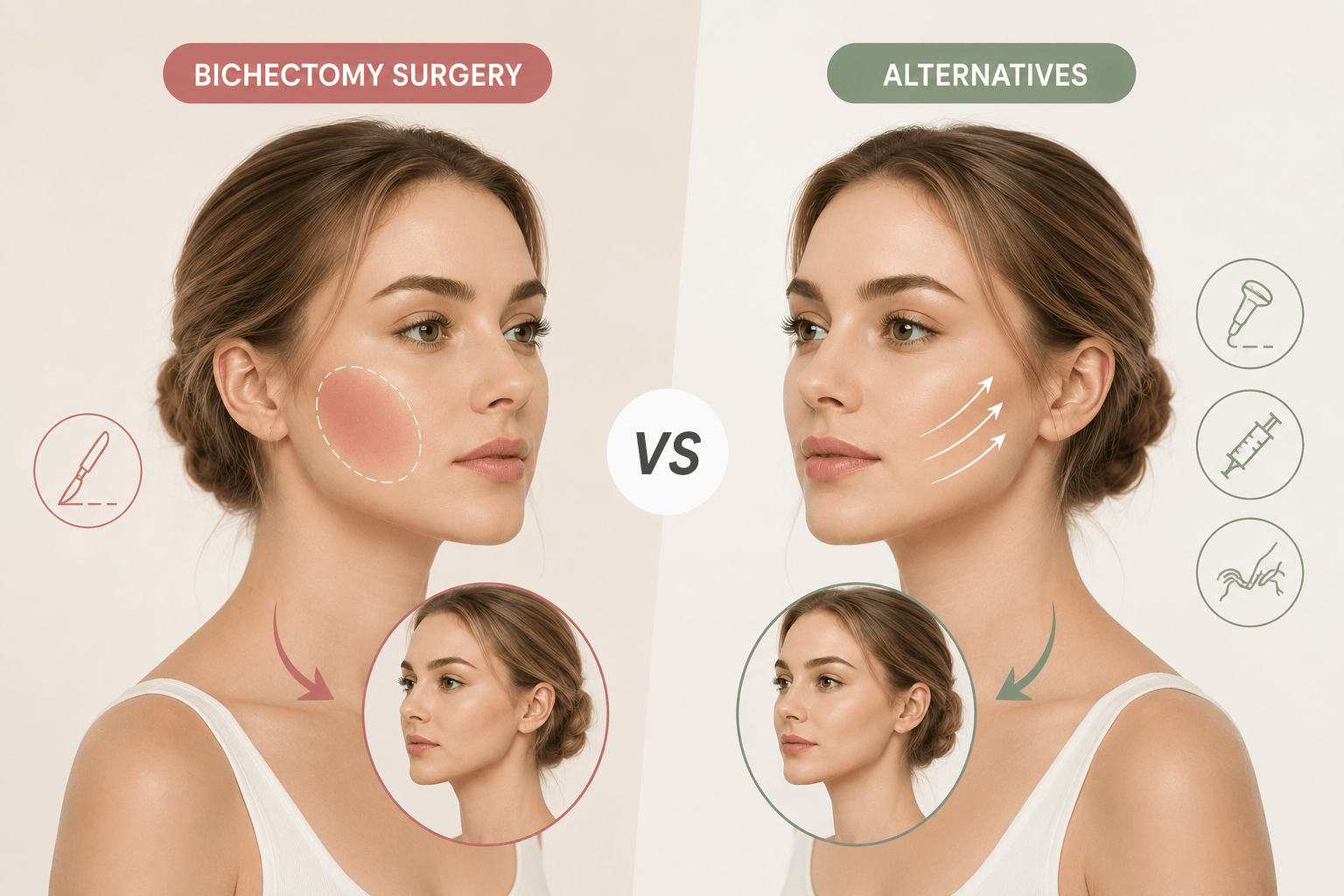
| Method | Invasiveness | Permanence | Typical Recovery | Best For |
|---|---|---|---|---|
| Bichectomy | Surgical | Permanent | 1–2 weeks | Definitive, one-time cheek slimming |
| Facial Lipolysis | Minimally invasive | Long-lasting | Few days per session | Gradual fat reduction, no surgery |
| Cheekbone Fillers | Non-invasive | Temporary (9–18 mo) | None to minimal | Contour illusion, not fat removal |
| Masseter Botox | Non-invasive | Temporary (4–6 mo) | None | Jaw/muscle-driven fullness |
| HIFU | Non-invasive | Temporary (6–12 mo) | None | Mild tightening, not fat loss |
| Radiofrequency | Non-invasive | Temporary, cumulative | None | Early laxity, maintenance |
| Massage / Exercise | Non-invasive | Very short-term | None | Fluid-related puffiness only |
How to Know Which Option Actually Fits Your Face
This is where most comparison articles stop — but the honest answer is that "roundness" has at least three different causes, and each one responds to a different fix: excess buccal fat (bichectomy or lipolysis), an enlarged jaw muscle (Botox), or simply a lower, flatter cheekbone position (fillers). Confusing the three is the single most common reason people are unhappy with a facial procedure they chose.
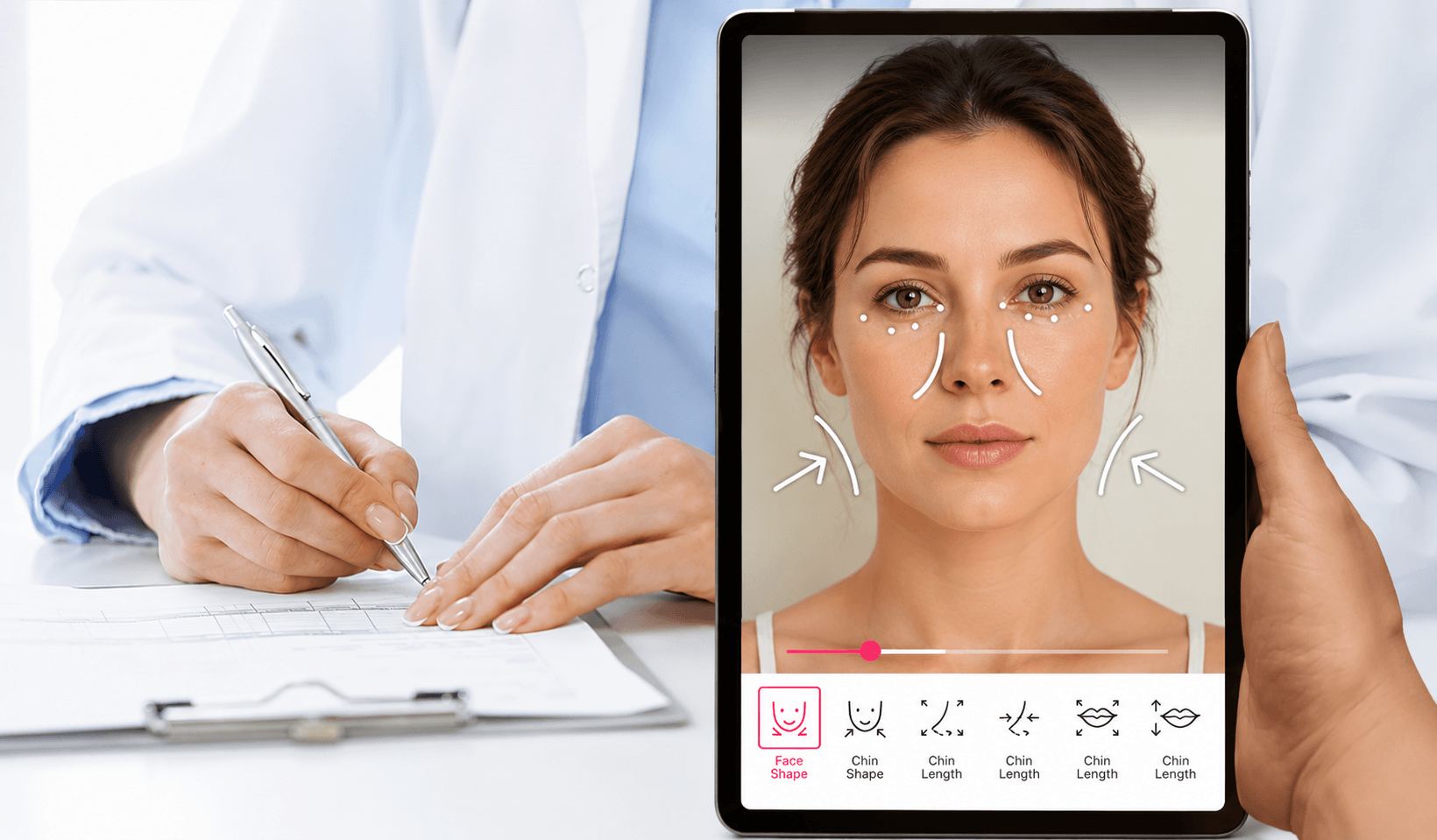
Tools like Perfect Corp's AI Face Shape Analyzer use facial analysis to break down where fullness is actually coming from — cheek, jaw, or bone structure — before you spend money on the wrong category of treatment.
Frequently Asked Questions
What is the best non-surgical alternative to bichectomy?
Facial lipolysis (injectable fat-dissolving treatments) is the closest non-surgical match, since it actually reduces fat volume rather than masking it. Botox and fillers address different causes of fullness (muscle and bone contour) rather than fat itself.
Can you reduce buccal fat naturally, without any procedure?
Not reliably. Buccal fat pads don't consistently shrink with weight loss or facial exercise the way fat elsewhere in the body does, which is exactly why surgical and injectable options exist in the first place.
Do fillers make cheeks look bigger or smaller?
Placed correctly along the cheekbone, fillers can make cheeks look slimmer by creating contour and shadow, even though they technically add volume. Placement matters far more than the amount used.
How much do bichectomy alternatives typically cost?
Non-surgical options are generally priced per session rather than as a one-time fee, and most people need 2–4 sessions of injectables or energy-based treatments to approximate what a single bichectomy achieves — so cost-per-result can end up similar over a year or two, even though each visit is cheaper upfront.
Is bichectomy reversible if I choose it instead of an alternative?
No. Once the buccal fat pad is removed, it does not grow back, which is why many surgeons recommend trialing a non-surgical option first if there's any uncertainty about the desired result.
Whatever direction you lean, the smartest first step is seeing the result before you commit to one. Try the AI Face Reshape Simulator to preview your options on your own photo before your consultation.


 English


