


 Author:
Some images in this article may be AI-generated and are used for illustrative purposes only.
Viral ChatGPT face-analysis prompts can be engaging consumer content, but they are not production-ready for beauty brands. They are prompt-dependent, difficult to standardize, disconnected from a brand’s customer journey, and may introduce privacy, consent, and governance questions when customer photos are involved.
The trend is still valuable. It shows that consumers want personalized beauty guidance based on their own features, tones, and style preferences. For brands, the opportunity is to turn that demand into an intentional, consent-based experience—not to reproduce a social-media prompt inside a customer-facing product.
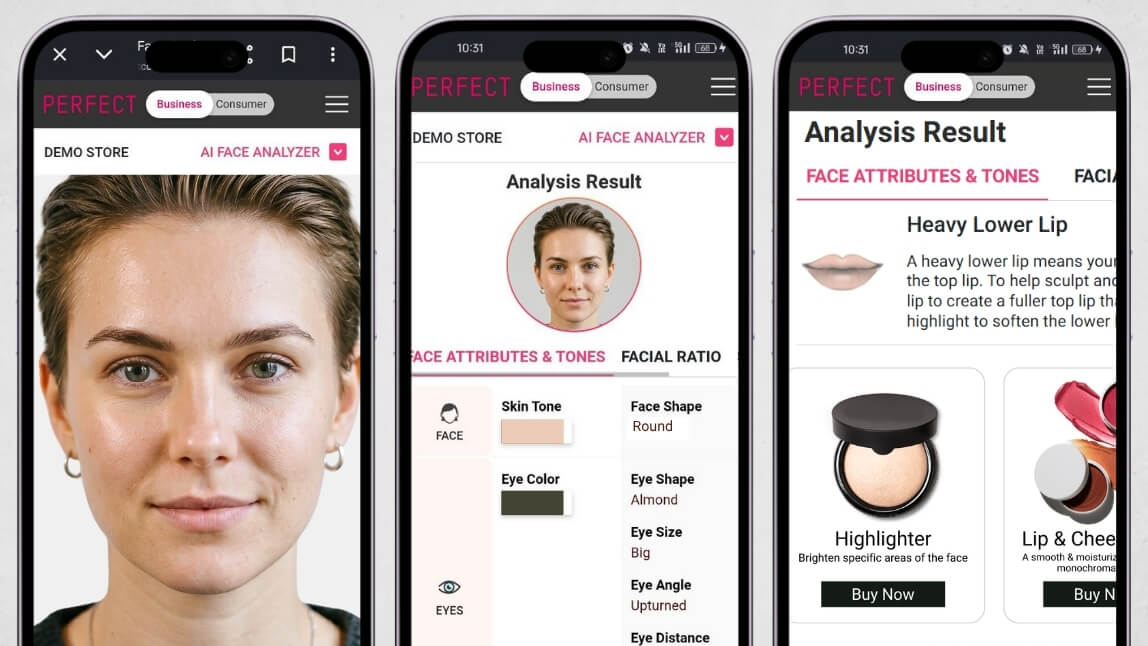
This article explains what face-analysis prompts are, why they became popular, and the practical gaps brands should consider. For the production alternative—including API capabilities, implementation steps, and deployment use cases—see our guide to face analysis APIs.
What Is a Face Analysis Prompt?
A face analysis prompt is a text instruction that tells a multimodal AI model how to analyze an uploaded photo of a face and what kind of output to return. When used with general-purpose models like ChatGPT (GPT-4o), the prompt acts as a lens — directing the AI to focus on facial features and structure its feedback in a specific way.
The most widely shared version of the prompt in 2026 looks something like this:
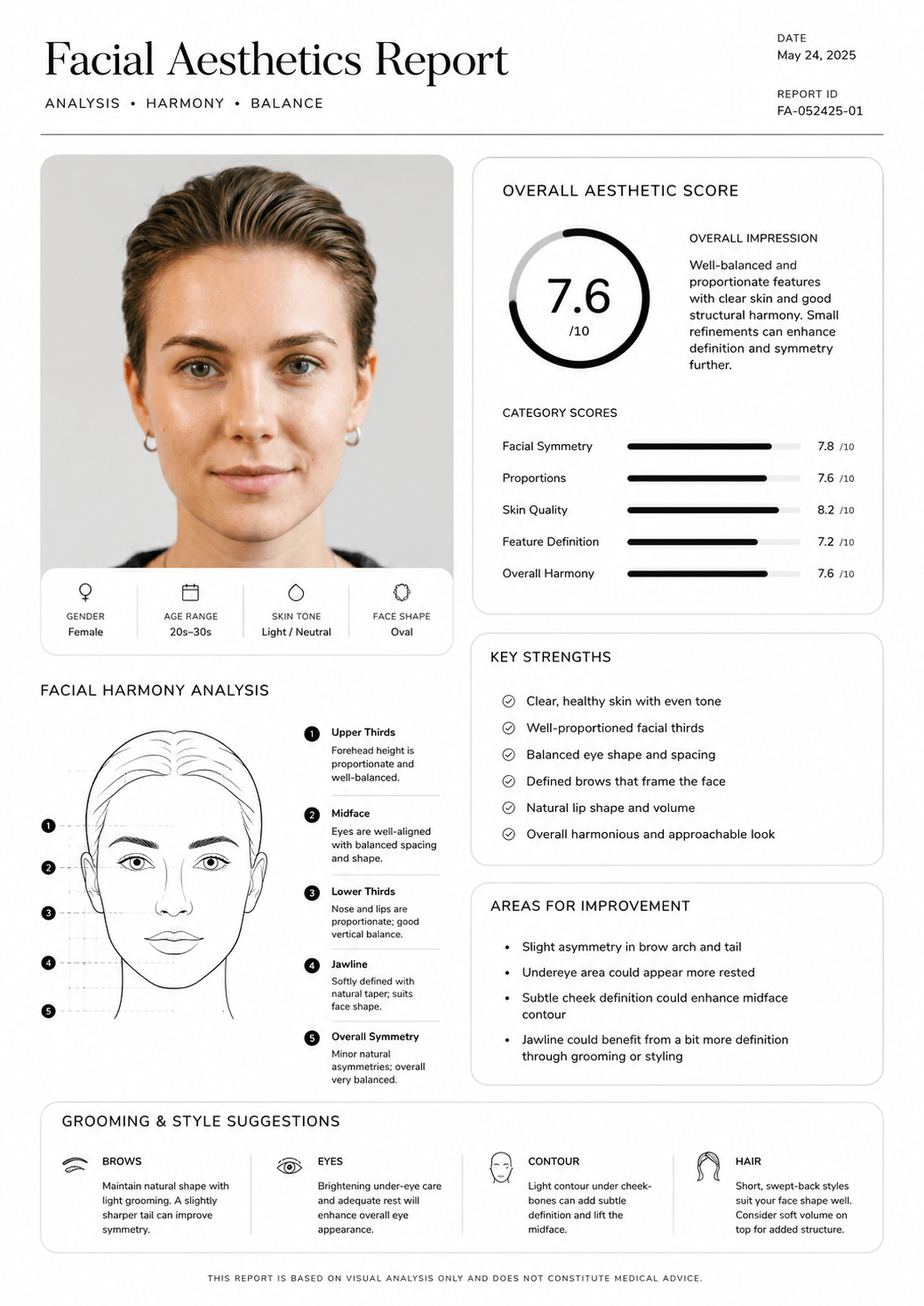
Create a minimal, editorial-style facial analysis report based on this image. Focus on clear visual structure, balanced critique (strengths and areas for improvement), and practical styling suggestions. Avoid exaggerated scoring or overly harsh judgments.
Depending on the model, image quality, and prompt wording, the output may include observations about visible facial features and optional styling suggestions.
The result is generative commentary, not a validated beauty assessment, clinical evaluation, or objective measure of attractiveness. It's part beauty consultation, part personality quiz, and it scratches a very human itch for self-knowledge.
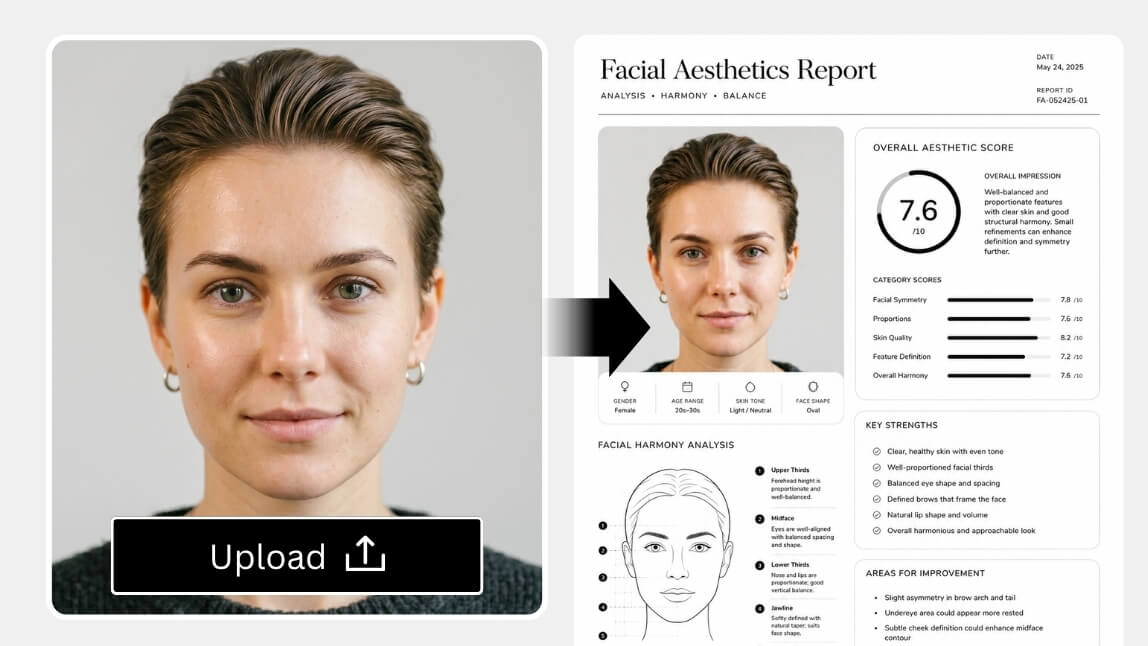
For casual users, it's a five-minute distraction. For beauty businesses, the trend is a flashing signal about what consumers will actively engage with when given the right experience: real-time, AI-driven analysis built around their specific face.
Why Did the Face Analysis Prompt Trend Spread?
The format spread because it is easy to try and easy to share: a user uploads a photo, enters a prompt, and receives a personalized-looking response. That low-friction experience has made it a visible example of how consumers engage with AI-assisted beauty discovery.
Three forces drove the explosion:
- Zero friction: ChatGPT is already installed, already free, already trusted. No beauty-specific app to download, no profile to set up. Just a photo and a prompt.
- The mirror effect: People are psychologically wired to want to understand how they're perceived. Face analysis prompts deliver that in a structured, quasi-objective format that feels more like data than opinion, even when it isn't.
- Personalization as a baseline expectation: Gen Z and millennial consumers don't want generic beauty advice. They want recommendations built around their face, their undertone, their features. Face analysis prompts offer a rough version of that, and consumers respond.
That appetite is already reshaping the market. The global AI skin analysis market was valued at USD 1.61 billion in 2025 and is forecast to reach USD 7.75 billion by 2035, a CAGR driven directly by consumer demand for AI-powered personal beauty insight.
Why a Viral Prompt Is Not a Production Feature
A consumer prompt and a purpose-built face-analysis implementation solve different problems. A prompt can generate an informal, shareable response; a production experience requires a defined customer journey, consistent system behavior, appropriate consent, and an integration plan.
| Consideration | Viral Face Analysis Prompt | Production Beauty Experience |
|---|---|---|
| Purpose | Informal self-exploration and social sharing | Defined customer experience and personalization workflow |
| Output | Generative, prompt-dependent commentary | Structured output designed for a specific business use case |
| Consistency | May vary with the image, model, and wording | Requires documented requirements and controlled implementation |
| Customer journey | Occurs outside a brand-owned experience | Can be designed around consent, education, recommendations, and next steps |
| Privacy and governance | Depends on the consumer tool and its terms | Requires a brand-specific privacy, consent, retention, and legal review process |
For a full explanation of production face-analysis capabilities, API setup, and implementation options, see our guide to face analysis APIs.
What Brands Should Do With This Trend
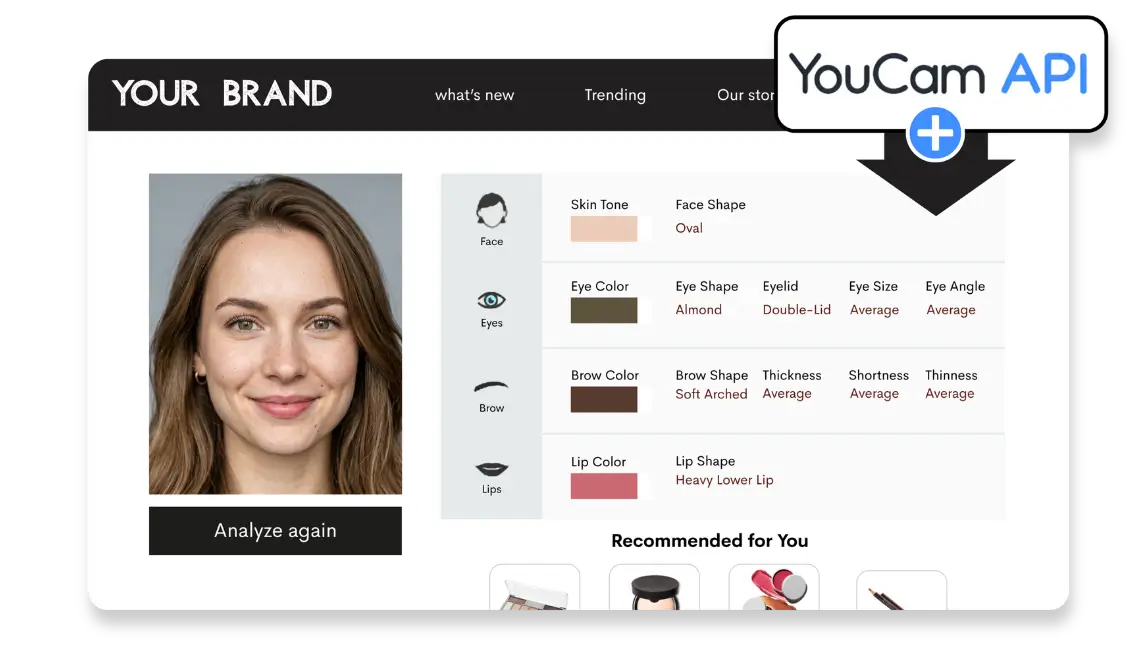
The business lesson is not “add a ChatGPT prompt to your website.” It is to identify the personalized moment that matters most in your customer journey and design an experience around it. For example, a brand may want to support product discovery, virtual try-on, consultation preparation, or educational styling guidance.
- Define one customer problem that personalization can help solve.
- Use clear, non-judgmental language and avoid beauty scores or “flaw” framing.
- Build consent, image-use disclosure, and privacy review into the experience from the start.
- Evaluate production technology against the brand’s specific use case and governance requirements.
If your team is evaluating a production implementation, read How to Use an API for Online Face Analysis for the technical capabilities, setup path, and business applications of a face-analysis API.
Frequently Asked Questions About Face Analysis Prompts
What is a face analysis prompt?
A face analysis prompt is a text instruction used with a multimodal AI tool to request commentary on an uploaded face photo. The output may include generative observations and styling ideas, but it should not be treated as a medical diagnosis, objective beauty score, or validated assessment.
Why are face analysis prompts popular?
They combine a familiar selfie with a quick, personalized-looking response that is easy to share. For beauty brands, the trend signals consumer interest in individualized discovery and guidance.
Can a beauty brand use a ChatGPT face analysis prompt in its customer experience?
A viral prompt can be useful for understanding consumer interest, but it is not a complete production solution. Brands need to assess consistency, consent, privacy, legal obligations, customer experience design, and integration requirements before processing customer photos.
What is the production alternative to a face analysis prompt?
Brands that need a defined, integrated face-analysis experience can evaluate a purpose-built solution. Read our guide to face analysis APIs for an overview of production capabilities and implementation considerations.



 English


