


 Author: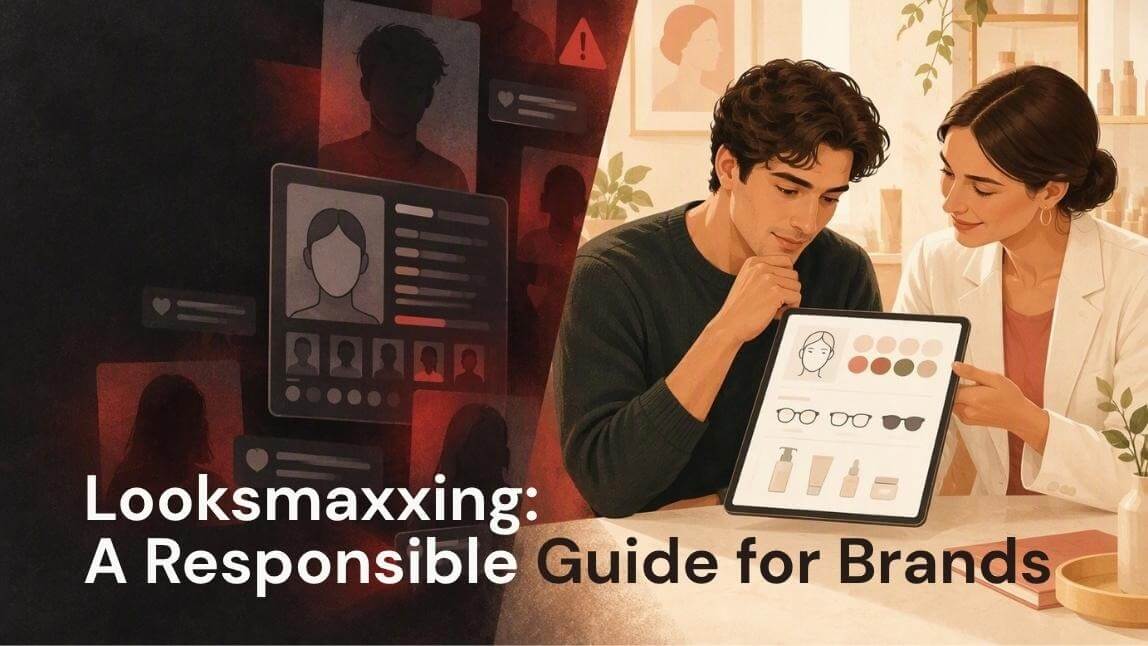
| Key Takeaways |
|---|
|
What Is Looksmaxxing?
Looksmaxxing is an online movement, most popular with teens and young men, focused on maximizing physical appearance. It spreads through TikTok, YouTube, and forums, where users share routines, before-and-after photos, and, increasingly, results from apps that scan and score their faces.
The trend covers a wide range of behavior. At one end is “softmaxxing”: skincare, grooming, haircuts, eyewear, and clothing. At the other is “hardmaxxing”: cosmetic surgery, steroid use, extreme dieting, and “bonesmashing,” the practice of striking facial bones to try to reshape them.
Why Looksmaxxing Matters to Beauty and Grooming Brands
For brands, looksmaxxing is a demand signal. It has brought a new audience into categories that were long marketed mainly to women, and that audience arrives already curious about face shape, proportions, and skin.
| Market indicator | Figure | Source |
|---|---|---|
| Global men’s grooming market in 2026 | $322.2 billion | Grand View Research |
| Projected market size by 2033 | $506.7 billion | Grand View Research |
| Projected annual growth | 6.7% | Grand View Research |
The risk is just as real. In August 2026, Johns Hopkins Medicine warned that looksmaxxing poses risks for boys and teens, naming apps that rate facial features alongside steroids and extreme diets.
So brands face a choice: ignore the trend and miss the shopper, copy the rating apps and risk the backlash, or offer something more useful than either.
Softmaxxing vs. Hardmaxxing: Where Brands Belong
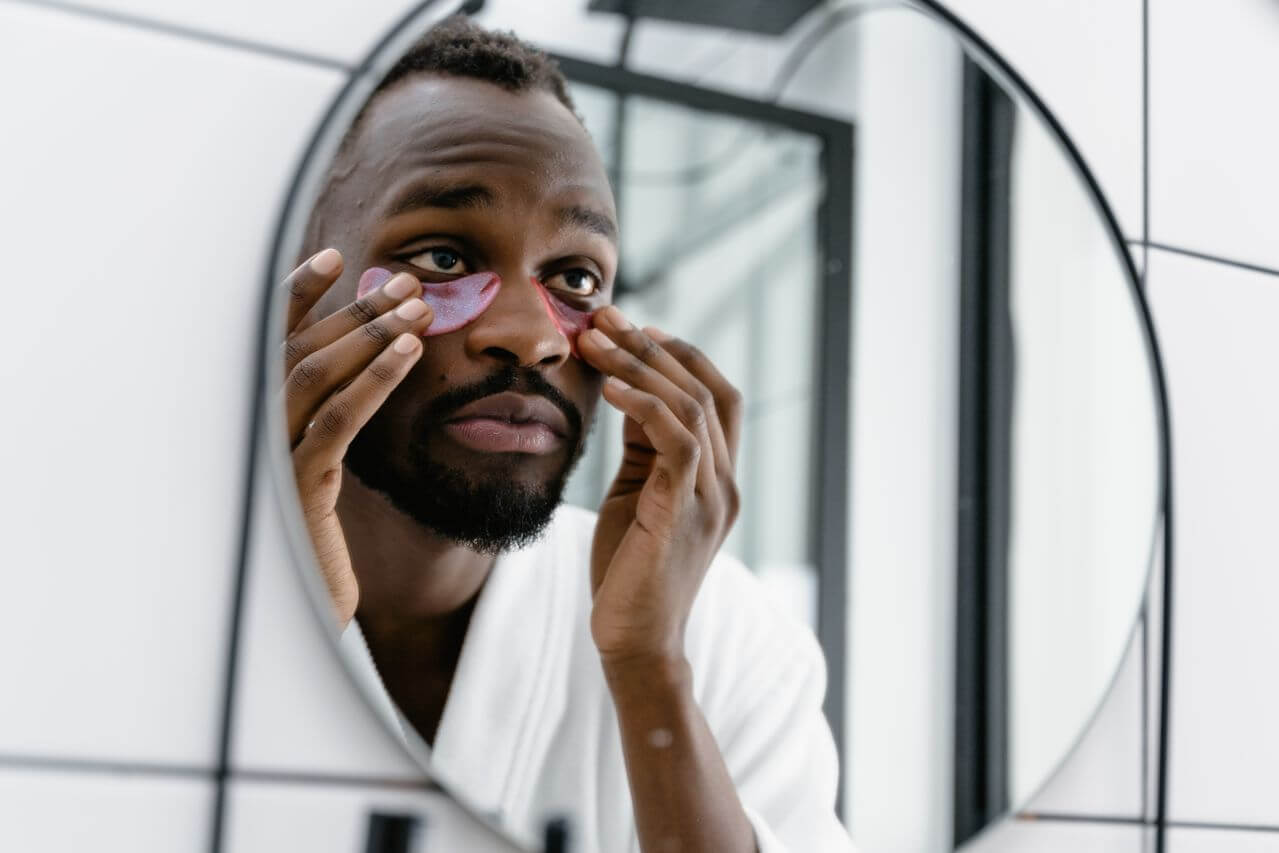
Most of what looksmaxxers want is ordinary self-care that beauty and grooming brands already sell. The job is to serve that side of the trend and draw a clear line around the rest.
Attractiveness Test vs. Face Analysis: What’s the Difference?
An attractiveness test and a brand-grade face analysis tool often run on the same foundation: facial landmark detection that maps features and measures proportions. The difference is what happens to those measurements.
An attractiveness test compresses them into a number, a percentile, or a rank. Face analysis for brands keeps them descriptive and connects each one to something the customer can act on.
| Compare | Attractiveness test | Face analysis for brands |
|---|---|---|
| Output | 1–10 score, percentile, or PSL rank | Face shape, features, proportions, and color |
| Framing | Ranks the face against an ideal | Describes the face as it is |
| Next step | “Improve” weak features | Products and styles that suit the customer |
| Business goal | Sell a paid report | Support product discovery, conversion, and loyalty |
| Customer experience | Judged | Understood |
6 Principles for Responsible Face Analysis
Use these principles when you scope, design, and write copy for any face-analysis experience, whether it lives on your website, in your app, or at the counter.
1. Describe, Don’t Rank
Show attributes such as face shape, undertone, and facial thirds. Never collapse them into a single attractiveness number, and never compare one customer to another.
2. Recommend What Suits, Not What Fixes
Every result should lead to a product, style, or virtual try-on that works with the customer’s face. If a result cannot be tied to a helpful next step, it probably does not need to be shown.
3. Treat Ratios as a Styling Guide
The golden ratio and facial thirds are useful for placing contour or choosing frames. Present them as reference points, never as a standard a face should meet. Our Golden Ratio Face Calculator is built on this approach.
4. Earn Consent and Delete Photos
Explain what will be analyzed before the scan starts. Process images securely and delete them once results are delivered.
5. Protect Younger Users
Looksmaxxing skews young. Add age gates where appropriate and keep content about aesthetic procedures for adults only.
6. Keep Clinical Calls With Clinicians
Aesthetic clinics can use face mapping and simulations to support a consultation. The decision should stay with a qualified practitioner and an adult patient, not an app.
How to Write Result Screens That Build Trust
Small wording choices decide whether a face scan feels like a consultation or a judgment. Here are five swaps to make on any result screen.
Use Cases: Turning Looksmaxxing Curiosity Into Customer Value
Each of these starts with the same scan from an AI Face Analyzer and ends with a recommendation.
Men’s Grooming and Skincare
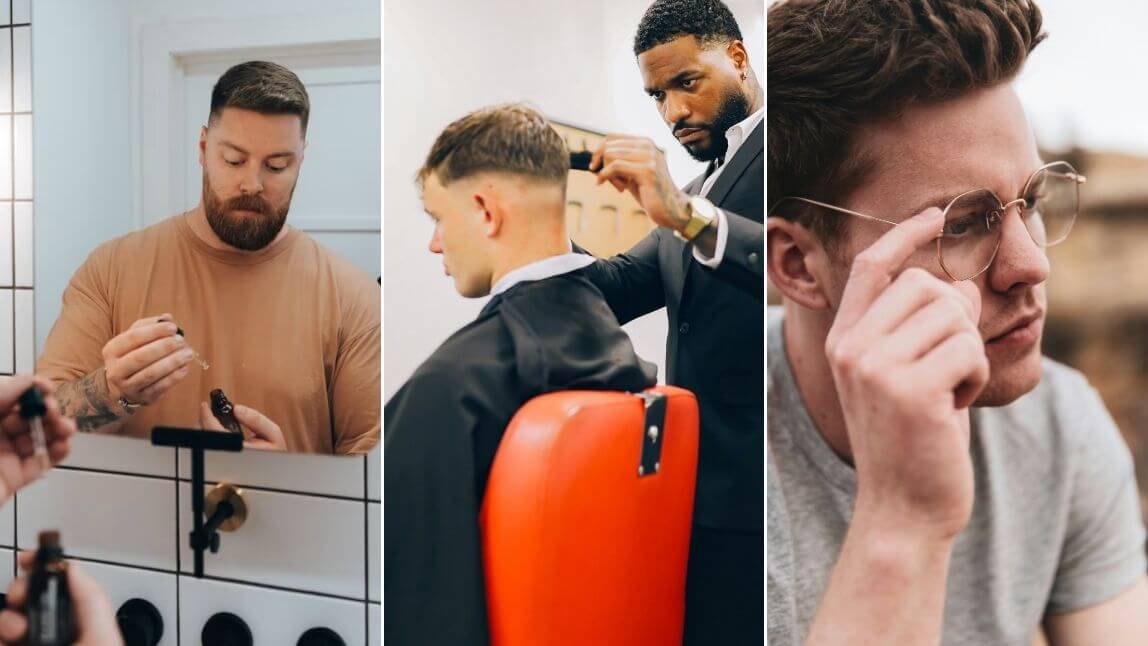
Pair face analysis with skin analysis to build a personalized routine: cleanser, SPF, moisturizer, and beard and brow care matched to face shape.
Eyewear
Match frame shape and width to face shape and proportions, then let shoppers try the shortlist on virtually.
Hair Salons and Barbers
Suggest cuts and styles that suit a client’s face shape before they sit in the chair, online or in-store.
Makeup and Color Cosmetics
Recommend contour placement, brow shape, and shades from detected features and personal color.
Aesthetic Clinics
Support practitioner-led consultations for adult patients with face mapping and treatment simulations.
Retail and E-commerce
Personalize product pages and bundles by face shape and color to support product discovery and reduce uncertainty before purchase.
Build a More Responsible Recommendation Experience
Customers may arrive with questions about face shape, grooming, skincare, eyewear, or personal color. Perfect Corp.’s AI Face Analyzer helps your business turn that curiosity into descriptive, product-led recommendations—without attractiveness scores, rankings, or deficit-based language.
Bring face analysis into your website, app, retail counter, or consultation flow with a deployment model that fits your customer journey.
The Bottom Line
Looksmaxxing is not going away, and the curiosity behind it is an opening for brands that answer it well. The winners will not be the ones with the harshest score. They will be the ones whose face analysis helps customers find what suits them and leaves them feeling better about the face they have.
Sources
- Grand View Research, Men’s Grooming Products Market Size Report, 2026–2033
- Johns Hopkins Medicine, “Looksmaxxing” Trend Poses Risks for Boys and Teens, August 24, 2026
- Perfect Corp., AI Face Analyzer
Looksmaxxing and Face Analysis FAQ
What is looksmaxxing?

Looksmaxxing is an online trend of trying to maximize physical appearance, popular with teens and young men. It spans lower-risk grooming and skincare through to high-risk practices such as bonesmashing, steroid use, and repeated surgery.
Is face analysis the same as an attractiveness test?
No. Both can use facial landmark detection, but an attractiveness test turns measurements into a score. Face analysis for brands turns them into descriptions and product recommendations.
How can brands use the looksmaxxing trend without harming customers?
Serve softmaxxing needs such as skincare, grooming, and eyewear; avoid scores and deficit language; seek consent; protect younger users; and leave clinical decisions to qualified practitioners.
What does AI Face Analyzer measure?
Perfect Corp.’s AI Face Analyzer detects face shape, 70+ features across the eyes, brows, nose, lips, and cheekbones, 11 facial proportions, and personal color signals such as skin tone and undertone.
Does face analysis give a beauty score?
It does not have to, and we recommend it does not. Results work best as a personalized beauty report: face shape, proportions, and color, each linked to a suitable product or style.
How do I add face analysis to my website or app?
Start with the free face analysis demo, then explore deployment through the Web Module, API, or mobile SDK.



 English


