


 Author: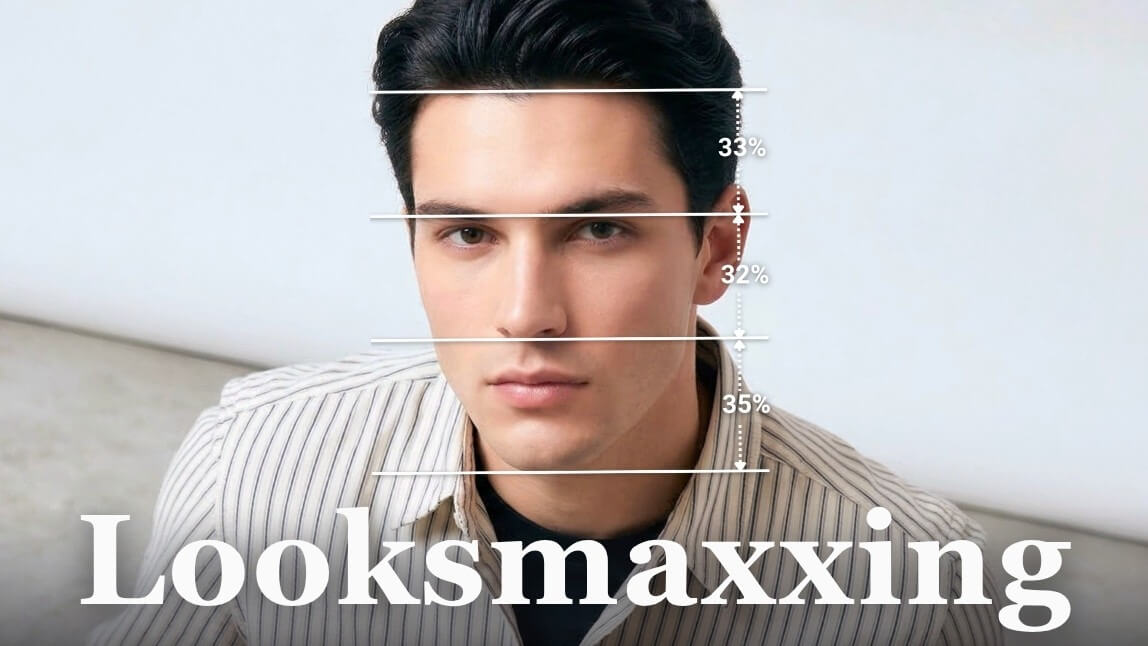
How Is Looksmaxxing Changing In 2026, And What Actually Works?
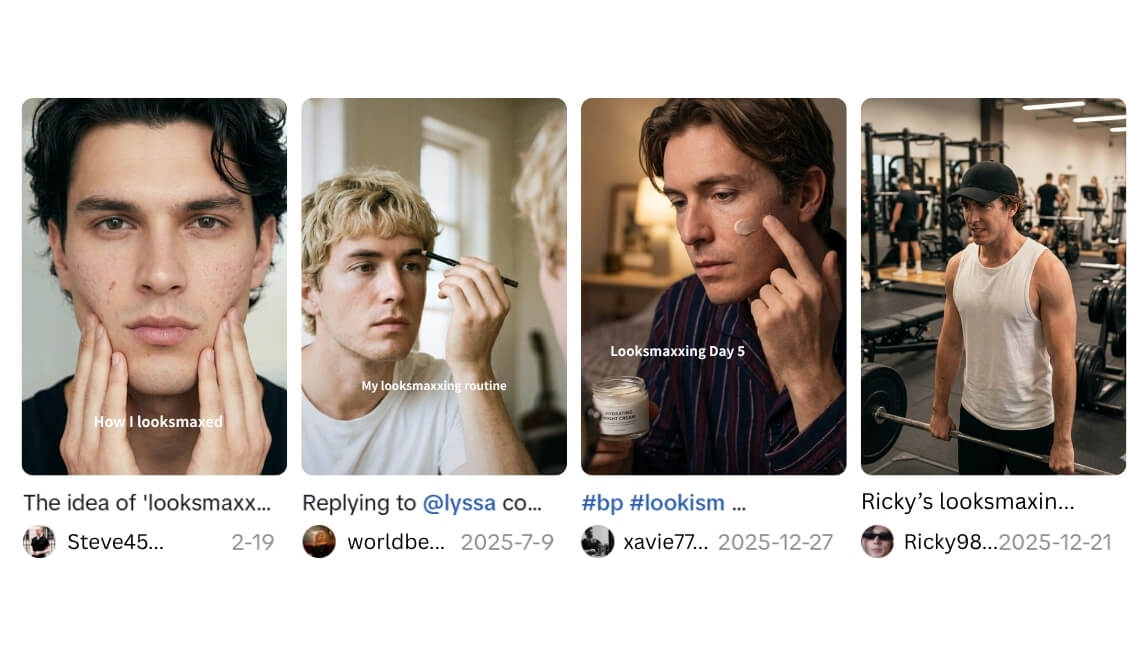
Scroll through TikTok or YouTube Shorts right now and you will see it everywhere: side-by-side glow-ups, jawline close-ups, “maxxing” routines. Looksmaxxing has moved from niche forums into the mass discussion, and in 2026 it is less about extreme transformations and more about strategic, data-backed changes.
At its core, looksmaxxing means systematically improving your appearance to feel more confident, whether for dating, social media, work, or just your own satisfaction. In 2026, that usually breaks down into three layers:
- Low-risk basics: grooming, skincare, hygiene, style
- Body and health: fitness, sleep, nutrition
- More advanced moves: dermatology, orthodontics, sometimes cosmetic procedures
What is changing now is the mindset and the tools. Instead of guessing what “should” look good, more people use structured frameworks and AI analysis, like facial thirds and ratios, to decide which changes will actually make a difference.
What People Really Want from Looksmaxxing in 2026
Most people are not trying to become unrecognizable. They want:
- Clearer skin and better grooming
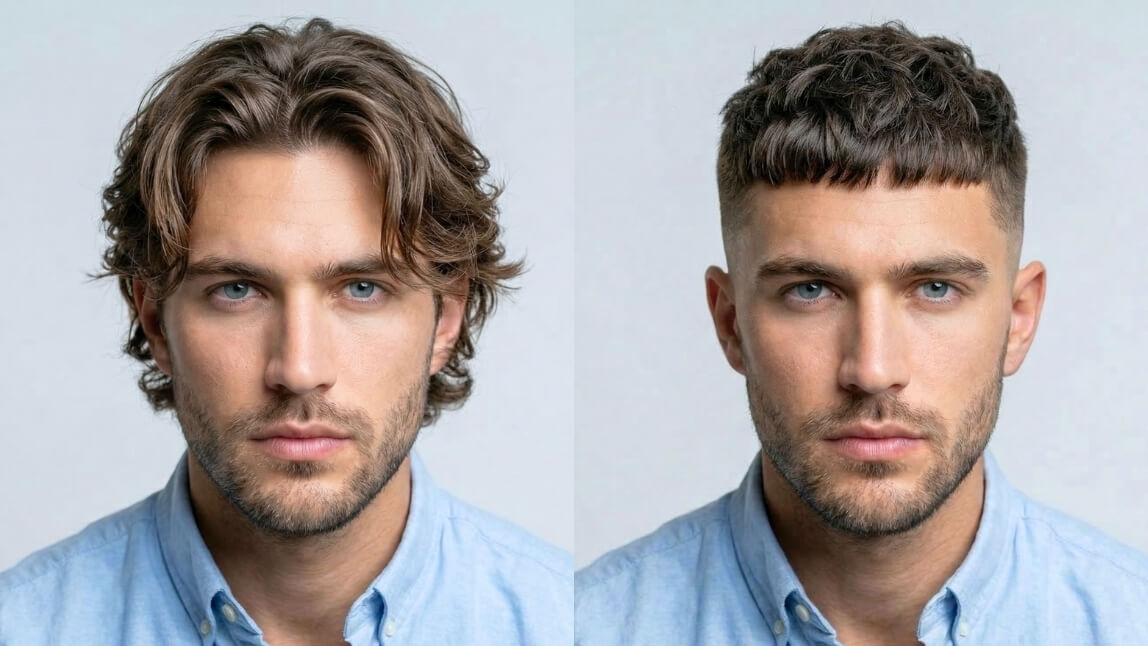
- A more flattering haircut and style that suits their face
- A jawline and profile that photograph well
- Makeup or styling that highlights strengths instead of hiding everything
They also want to avoid two big traps:
- Wasting time and money on unproven or risky techniques
- Falling into constant self-criticism or obsession
That is why 2026 looksmaxxing content often focuses on:
- Tiered strategies: start with foundations, then level up only if needed
- Evidence-based advice: skincare basics, fitness, dermatology when appropriate
- Psychological balance: improving appearance without tying your worth to it
Softmaxxing vs Hardmaxxing
You will often see two types of looksmaxxing discussed:
Softmaxxing (or soft looksmaxxing)
Low-cost, low-risk upgrades such as:- Grooming and hygiene
- Simple but consistent skincare
- Haircuts and facial hair shaping
- Clothing that fits and suits your body
- Posture and body language
Hardmaxxing
High-commitment approaches, for example:- Orthodontics and jaw surgery
- Rhinoplasty, chin implants and other surgery
- Injectables like fillers and neuromodulators
In 2026, more creators are actively separating these categories so beginners are not pushed straight to extreme procedures. Many emphasize that:
- Softmaxxing often delivers the biggest visible change for the least risk
- Hardmaxxing should be considered carefully with licensed professionals and realistic expectations
Why Looksmaxxing Feels More Relevant Now
Several cultural shifts are driving the trend:
Short‑form video rewards looks
TikTok, Reels and YouTube Shorts favor visually engaging faces and clean aesthetics. That keeps appearance constantly in focus.Online dating is standard
Selfie photos and first impressions are filtered through screens, so small upgrades in lighting, grooming and facial expression can have outsized effects.Cosmetic and skincare options are easier to access
Non-surgical treatments and advanced skincare are widely discussed and marketed, so people are more aware of them than before.The “glow up” narrative feels achievable
Before/after content and one-year transformation videos make incremental improvement feel attainable if you follow a plan.
At the same time, there is more awareness of mental health. Many discussions include warnings about body dysmorphia, unhealthy comparison and fatalistic “black pill” spaces. The healthier 2026 version of looksmaxxing tends to pair appearance changes with:
- Better sleep and exercise
- Working on social skills and confidence
- Setting realistic goals instead of chasing perfection
So What Actually Works for Most People?
Within this trend, several pillars come up again and again as high-impact and relatively safe:
- Grooming and hygiene: regular haircuts, beard or facial hair maintenance, clean nails, fresh breath and consistent personal care
- Skincare foundations: gentle cleansing, moisturizer suited to your skin type, daily sunscreen use, and targeted acne treatment if needed
- Fitness and body composition: some combination of resistance training and calorie control to reduce excess fat and build a more structured frame
- Style and fit: clothing that fits your body, simple color coordination, and a style that matches your age and lifestyle
- Facial framing: haircuts, eyebrow grooming and accessories (like glasses) chosen to match your unique face shape
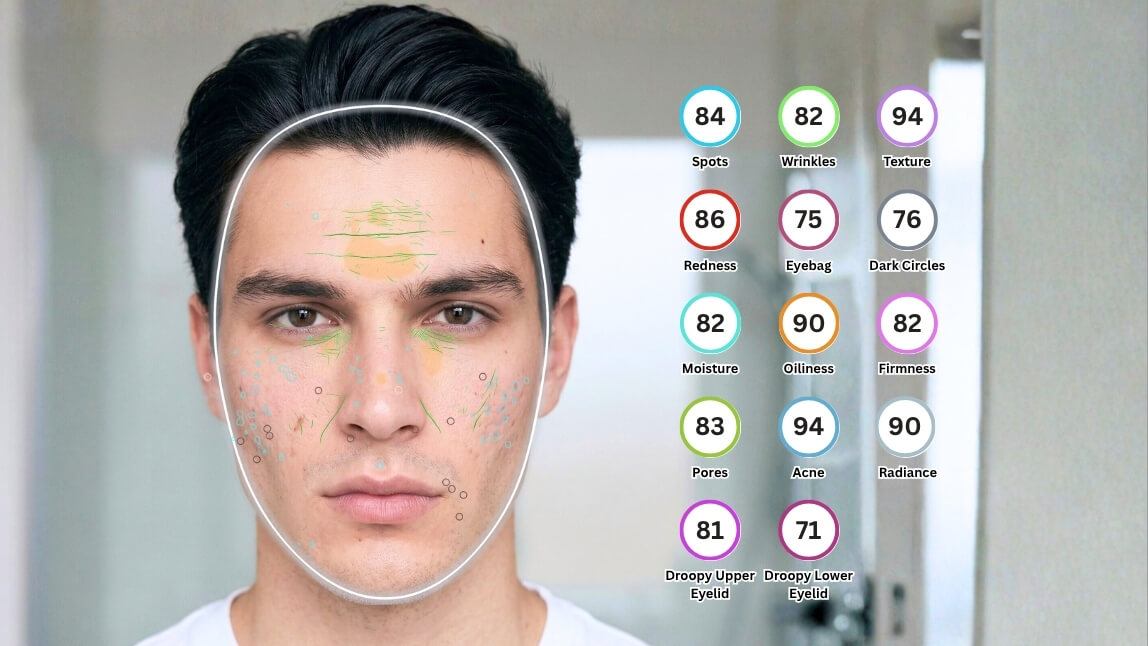
Advanced looksmaxxing then builds on those foundations with:
- Dermatology for persistent skin issues
- Orthodontics or functional jaw work if there are bite or alignment problems
- Select cosmetic procedures for people who have researched thoroughly and consulted qualified practitioners
The key 2026 shift: people want tools and frameworks that help them decide where to invest effort. That is where facial thirds, face ratios and AI analysis enter the conversation.
Why Looksmaxxing Took Off, And How Facial Thirds Fit Into The Picture
If you have ever paused a video to zoom in on someone’s jawline or eye area, you have already entered typical looksmaxxing territory. The communities around this trend tend to break appearance down into components and “systems.”
One important system is facial thirds.
How looksmaxxing content usually breaks things down
Creators often divide the journey into overlapping categories:
Grooming & hygiene
- Haircut and hairstyle choices
- Skin cleanliness and oil control
- Oral hygiene and teeth whitening
- Body hair grooming and fragrance
Skincare & dermatology
- Basic routines: cleanser, moisturizer, sunscreen, exfoliation when needed
- Targeted treatments for acne or hyperpigmentation
- Professional options such as peels, lasers or microneedling for more stubborn issues
Body composition & fitness
- Weight loss or recomposition to reveal bone structure and improve silhouette
- Resistance training to build a stronger frame
- Nutrition, hydration and sleep habits that support how you look and feel
Style & presentation
- Clothes that fit your body rather than hiding it
- Personal style development
- Posture, gait and body language
Facial optimization
- Hair and eyebrow shaping to frame the face
- Glasses frames and contact lens choices
- When relevant, orthodontics or surgery to improve function and aesthetics
Behavioral & psychological aspects
- How you talk, move and interact
- Confidence, mindset and social skills
- Avoiding obsessive appearance focus
Facial thirds cut through several of these categories by giving you a structured way to look at the face itself.
What Facial Thirds Are and Why They Matter in Looksmaxxing
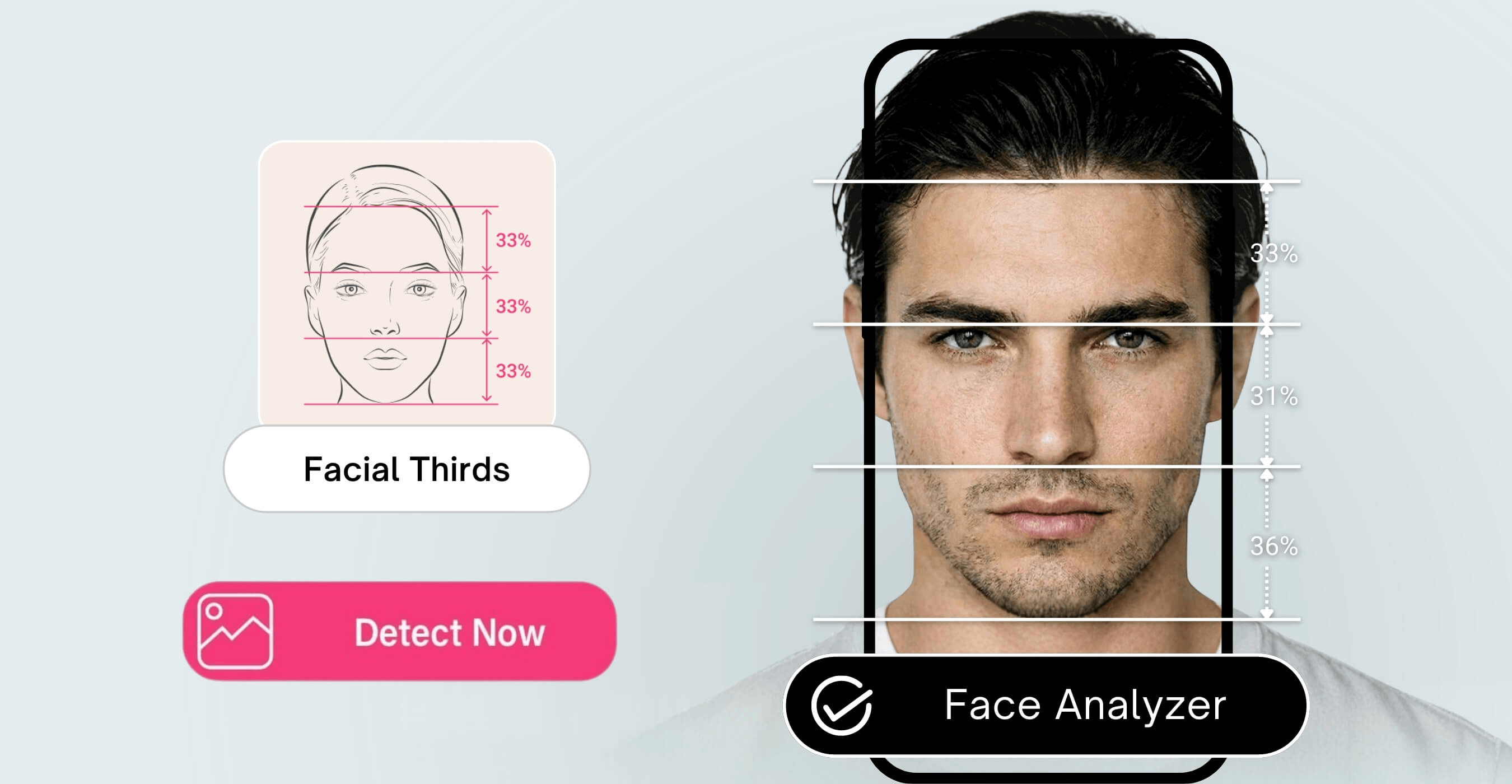
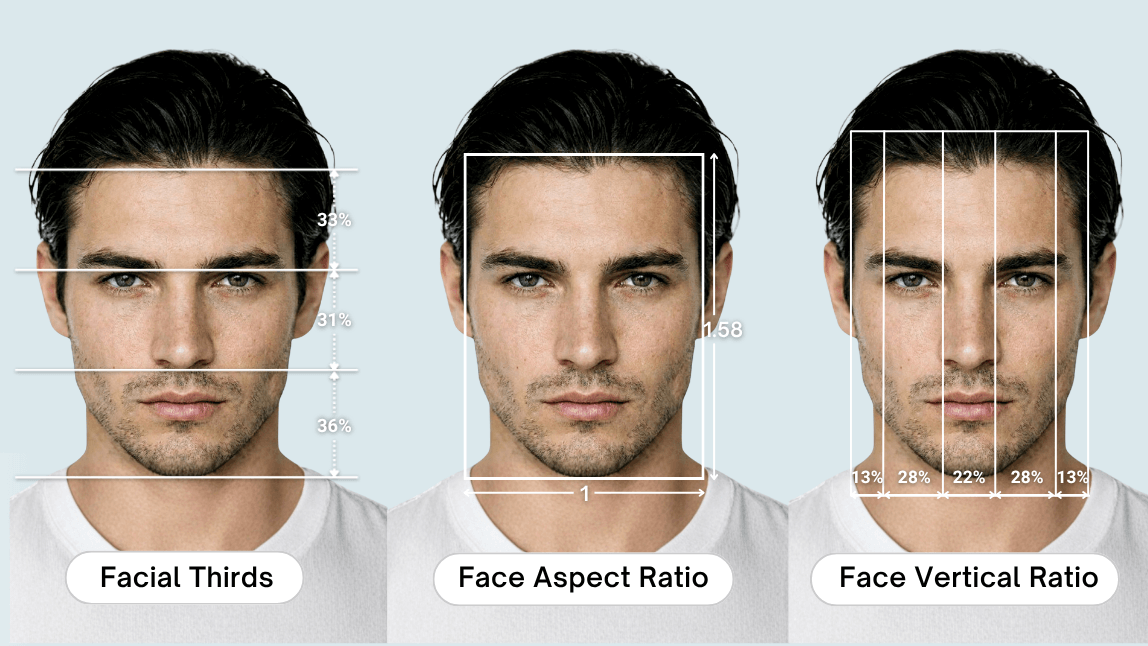
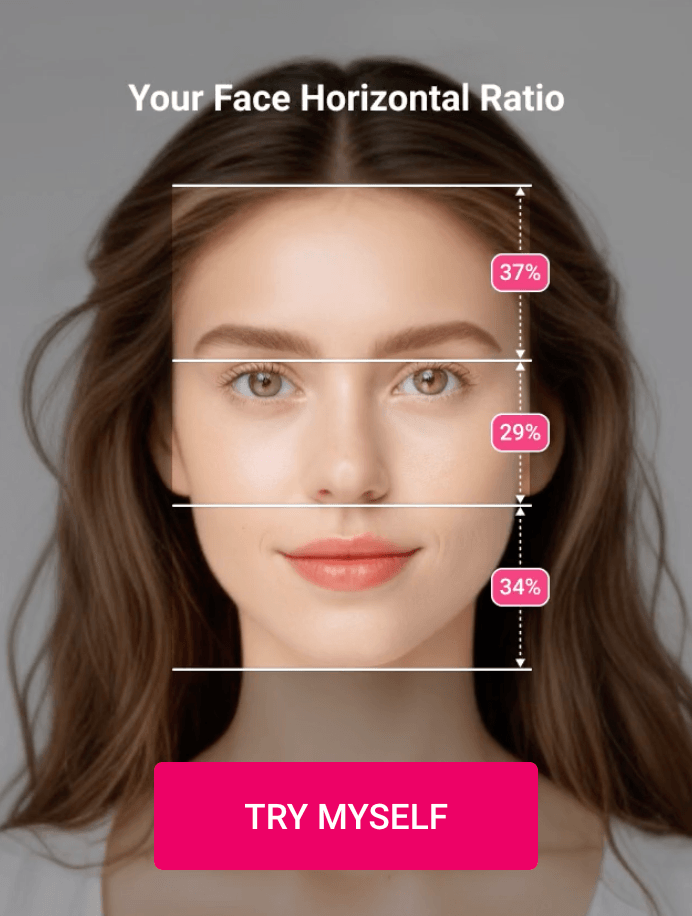
Facial thirds divide the face horizontally into three sections:
- Upper third: hairline to eyebrows
- Middle third: eyebrows to the base of the nose
- Lower third: base of the nose to the chin
Within looksmaxxing culture, people often talk about “proportions,” “balance” and “ratios.” Facial thirds provide a simple framework for that discussion. When the thirds are relatively balanced, faces tend to be perceived as more harmonious.
This does not mean you must match a single “perfect” measurement. It means:
- You can see which part of your face appears visually longer or shorter
- You can use styling, makeup and hair decisions to visually bring those thirds closer to balance
- Professionals can talk to clients about specific areas rather than vague “something is off” feelings
In 2026, facial thirds and golden ratio concepts are being popularized through:
- Beauty consultations and makeup tutorials
- Hairstyling and eyebrow shaping guides
- AI-based tools that automatically measure and compare your facial thirds
How Social Platforms Spread the Facial Thirds Idea
On TikTok, Reels and YouTube Shorts, several content types use facial thirds:
- Quick “face analysis” breakdowns showing where someone’s thirds are longer or shorter
- Before/after content demonstrating how bangs, brow shaping or lip makeup change the perception of facial balance
- Tutorials specifically labeled around facial thirds and golden ratio ideas.
The Role of AI tools in the 2026 Version of Looksmaxxing
A notable development is AI tools that:
- Detect facial features
- Divide the face into upper, middle and lower thirds
- Compare those measurements with golden ratio references
- Provide structured feedback you can use for styling and consultations
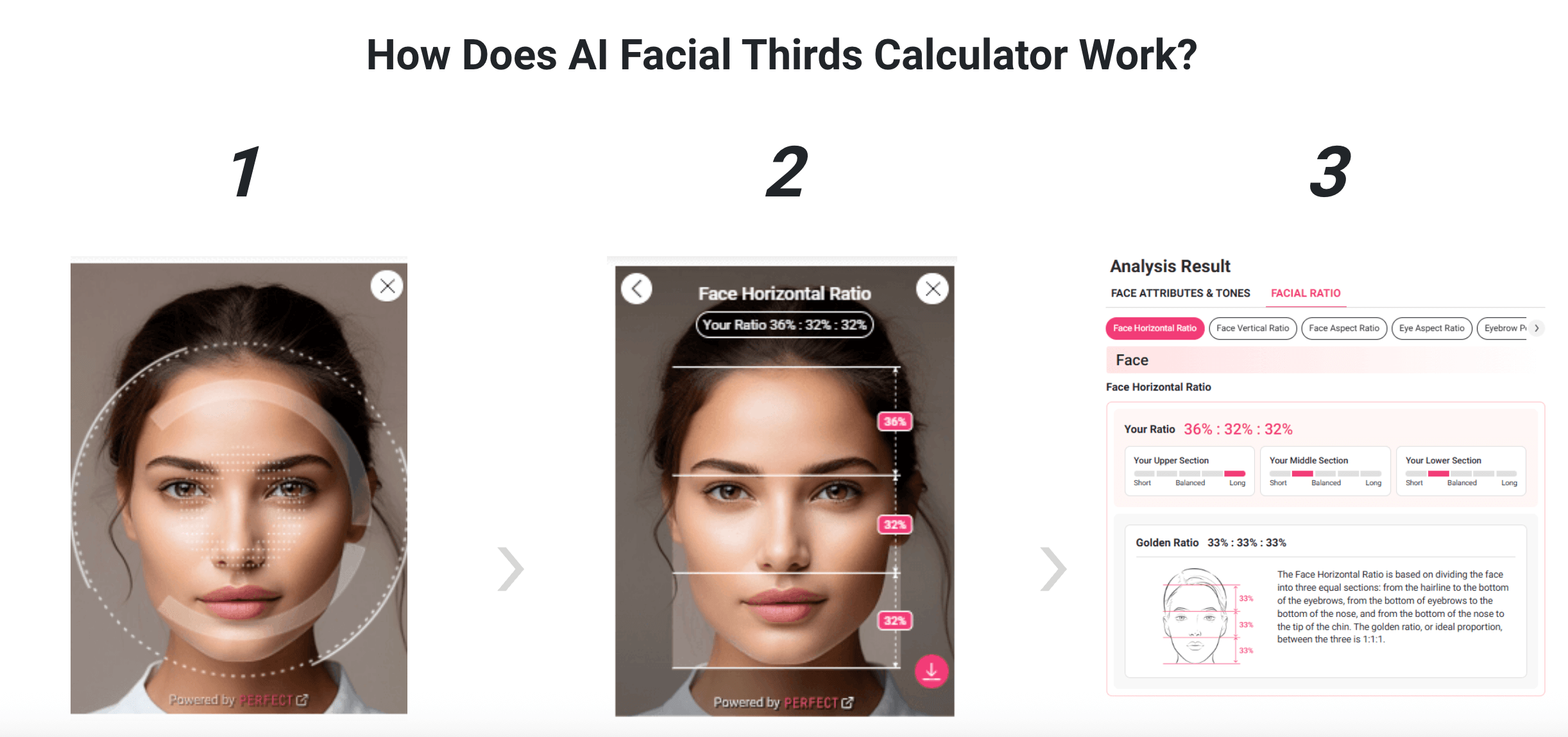
For users, that means you no longer have to guess in the mirror or manually draw lines on a photo. For professionals, it offers a data-backed way to explain recommendations to clients.
At the same time, there is a countertrend focusing on:
- Using these tools as guides, not rigid rules
- Combining them with mental health awareness and realistic expectations
- Treating any “imperfections” as individual traits to work with, not simply flaws to erase
So when you hear people in 2026 talking about looksmaxxing via facial thirds, they are usually referring to this combination: systematic self-improvement, plus structured facial analysis, all filtered through social media aesthetics and personal wellbeing.
How An AI Facial Thirds Calculator Supports Real-World Looksmaxxing
Once you understand that looksmaxxing is largely about targeted, intelligent changes, the next question is: how do you decide which changes matter for your face?
That is where a tool like the AI Facial Thirds Calculator (Face Ratio Analyzer) becomes relevant.
The practical problems creators and users face
Common pain points include:
Not knowing which part of the face to focus on
Is it the forehead, eye area, nose region, or lower face that throws the balance off?Struggling to explain “why” something looks better
A stylist or makeup artist may sense that bangs help, but clients often want a clearer explanation.Fear and confusion around ratios and “golden” numbers
Many people have heard of the golden ratio but do not know how it actually applies to their face.Privacy worries with AI tools
Users hesitate to upload selfies if they feel their images will be stored or misused.
What the AI Facial Thirds Calculator actually does
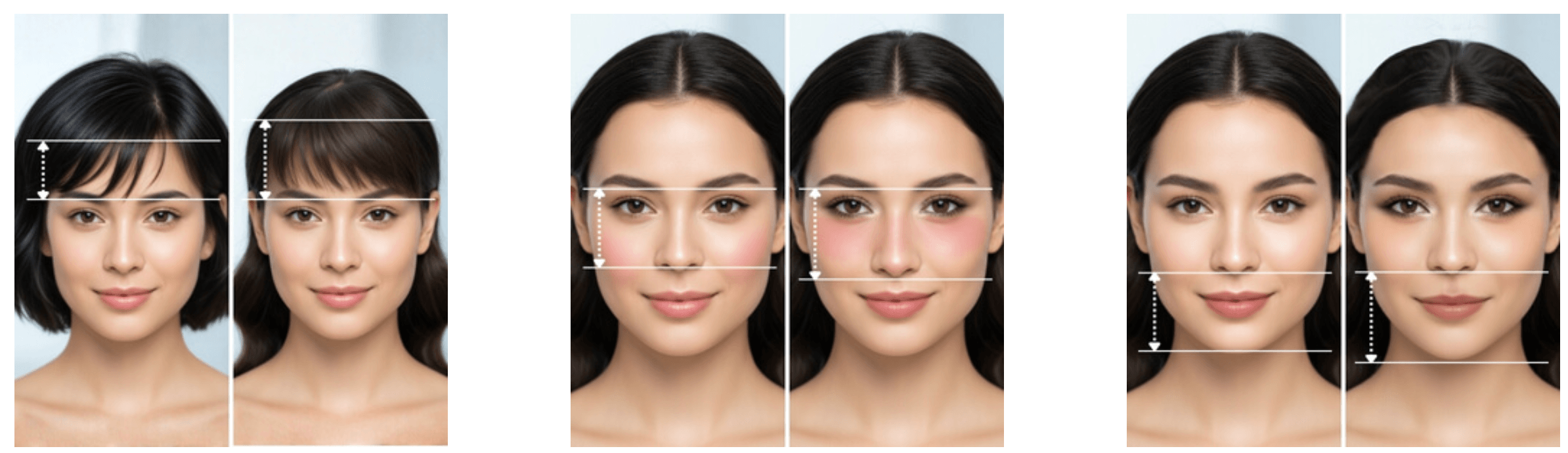
According to the product description, the AI Facial Thirds Calculator:
- Scans your face using a camera-based photo taken directly on the webpage
- Automatically detects facial landmarks and divides the face into upper, middle and lower thirds
- Compares your proportions with golden ratio references
- Provides detailed facial ratio results involving eyes, nose, lips and overall thirds
- Explains what facial thirds are and how they are defined
- Connects the measurements with actionable styling ideas such as:
- Bangs, hair volume and contour for the upper third
- Blush placement and eye emphasis for the middle third
- Lip shading and vertical highlighting for the lower third
- States that all images are permanently deleted after analysis to address privacy concerns
How it lowers the barrier to effective looksmaxxing
Instead of guessing which “hack” might work, you can:
- Take a selfie directly on the webpage using your camera
- Get instant feedback about the relative lengths of your facial thirds
- See how your features (eyes, nose, lips) sit within those thirds
- Use the included educational guidance to translate numbers into practical moves
For professionals, such as makeup artists, stylists or aesthetic clinics, it supports:
- Clear, visual explanations during beauty consultations
- Data-backed discussions about potential treatments or styling options
- More structured before/after comparisons when changes are made
Who benefits the most
This type of tool is particularly useful for:
- Individuals interested in personal looksmaxxing who want structured self-assessment
- Beauty & fashion consumers exploring hairstyle, makeup and styling changes
- Beauty professionals and consultants who want a consistent way to analyze and explain facial proportions
- Aesthetic and medical clinics that use AI face analysis as part of their consultation workflow
Next, let us walk through how to use it in a way that feels practical and manageable.
Step‑By‑Step: Using AI Facial Thirds Analysis In Your Looksmaxxing Routine
You do not need a full studio setup to use the AI Facial Thirds Calculator effectively. The idea is to build it into your normal grooming or styling workflow so you can make smarter decisions with minimal effort.
1. Preparation: Get Ready for an Accurate Face Scan
Before you open the tool, do a quick check:
Lighting
Sit in front of soft, even light. A window in front of you works well. Avoid harsh shadows or bright light behind you.Camera position
Keep the camera at eye level, not tilted up or down. Look straight ahead with a relaxed, neutral expression.Face visibility
Pull hair away from your face for the scan itself so the AI can easily detect your hairline, brows and jaw. You can plan bangs or hair volume after you see the results.Clean lens
Make sure your webcam or phone lens is clean so the image is clear.
2. Running Your First Analysis
Once you are ready:
- Open the AI Facial Thirds Calculator webpage.
- Turn on your camera using the provided option.
- Align your face within the on-screen frame or guide if there is one.
- Take the photo when your head is facing forward and your expression is neutral.
- Confirm and let the AI perform the analysis.
The tool will then:
- Detect key facial features
- Divide your face into upper, middle and lower thirds
- Compare your thirds to golden ratio references
- Provide detailed proportional data around eyes, nose and lips
3. Understanding your facial thirds results
When the analysis is complete, focus on three main things:
Relative length of each third
Which third looks proportionally longer or shorter compared to the others?Feature placement
How do your eyes, nose and lips sit within those thirds?Overall balance vs golden references
The goal is not to “hit” an exact golden ratio but to understand where your natural balance sits.
Use the product’s educational guidance to interpret what you see. It explains:
- How upper, middle and lower thirds are defined
- How each third contributes to perceived harmony
- How styling and makeup can visually adjust the apparent length of each third
4. Turning data into styling decisions
The main value of this tool is that it pairs measurement with actionable tips. Here is how to approach each third in your looksmaxxing routine.
Upper third: Hairline to eyebrows

If your upper third appears visually long compared to the others, the guidance suggests options like:
- Bangs or fringe styles that reduce the visible forehead height
- Adjusting hair volume to change how the upper third is framed
- Contouring and highlighting techniques on the forehead area
If your upper third appears shorter, the goal might be:
- Hair styles that expose more forehead
- Strategic highlighting above the brows to open the upper face
This is highly relevant for content creators: a small change in bangs or hair volume can dramatically alter your presence in TikToks, Reels and thumbnails.
Middle third: Eyebrows to base of nose

For the middle third, the tool connects your ratios with:
- Blush placement that visually shifts attention up or down
- Eyeliner shape and lash emphasis to expand or focus the eye area
- Brow shaping to refine the transition between upper and middle thirds
The idea is to make the eye and cheek area look balanced within your overall face, rather than just following generic “one size fits all” tutorials.
Lower third: Base of nose to chin

The lower third plays a big role in jawline perception. The calculator supports adjustments via:
- Lip shading and lipstick techniques that change how long or short the lower third appears
- Vertical highlighting along the chin or philtrum area to subtly alter perceived proportions
For soft looksmaxxing, these moves are especially useful because they do not require any medical interventions and can be changed easily.
5. Exporting and Integrating Results into Your Routine
Although the tool’s description does not list export file formats, it does provide instant on-screen results you can:
- Screenshot (locally on your device) for personal reference
- Use during conversations with stylists, makeup artists or clinic professionals
- Revisit later when you update your hair or makeup to track differences
Because the product emphasizes that images are permanently deleted after analysis, you can focus on using the information without worrying about long-term image storage on the tool’s side.
6. Advanced Tips for Creators and Professionals
Once you are comfortable with the basics, consider these more advanced ways to use the calculator.
For social media creators:
Design your “on-camera” look based on your thirds
Use the tool’s tips to define a signature hairstyle, brow shape and lip look that plays to your facial strengths for TikTok, Reels or YouTube Shorts.Check how changes affect your proportions
Each time you try a major haircut or new makeup style, run a fresh analysis and compare screenshots to see which version gives you the most balanced thirds.
For beauty professionals:
Use the analysis as a consultation anchor
During client sessions, start by scanning the face and reviewing the thirds together. This makes your recommendations feel transparent and education-based.Align techniques with data
For example:- Base blush placement and eye emphasis on the middle third data
- Choose bang styles or hair volume adjustments informed by the upper third
- Tailor lip contours and shading to the lower third
For aesthetic and medical clinics:
- Add it to your pre-treatment workflow
Use the facial thirds data to visually demonstrate current facial balance and discuss potential treatment plans. It can complement other AI face symmetry or aesthetic simulation tools the clinic already uses.
7. Common issues and how to handle them
Q: My results look “imperfect.” Did I fail the test?
A: No. The tool is a guide, not a pass/fail score. Everyone has asymmetries and unique proportions. Use the data to inform styling, not to judge yourself.
Q: My selfie looks slightly off.
A: Recheck your lighting, camera angle and expression. Retake the photo with your head straight and neutral for the most accurate analysis.
Q: I feel overwhelmed by the numbers.
A: Start with a single focus area. For example, work only on upper-third hair and forehead framing first. Once that feels good, move on to the next third.
Your Top Questions About Looksmaxxing And AI Face Analysis, Answered
Q: Is looksmaxxing just about surgery and extreme procedures?
A: No. In many modern discussions, especially in 2026, looksmaxxing starts with softmaxxing: grooming, skincare, fitness, style and styling tweaks like haircuts or makeup. Hardmaxxing such as surgery and injectables is considered a separate, higher-risk category that should be approached carefully and with professional guidance.
Q: Can looksmaxxing actually improve my dating or social life?
A: For many people, structured grooming, clearer skin, better style and a more confident presence can improve how they feel and how others respond. However, appearance is only one component. Social skills, communication and mental wellbeing also matter and should grow alongside any physical changes.
Q: How do I avoid becoming obsessed with my looks?
A: Set clear, limited goals, such as “build a consistent skincare routine” or “find a haircut that suits my facial thirds,” instead of chasing perfection. Give yourself time between changes, and pay attention to whether your mood depends entirely on your appearance. If you notice increasing anxiety or compulsive checking, consider stepping back and seeking mental health support.
Q: What makes the AI Facial Thirds Calculator different from basic face filters?
A: According to its description, the AI Facial Thirds Calculator focuses on measuring and analyzing facial thirds and ratios, not on applying beautifying filters. It uses AI-powered landmark detection to divide the face into upper, middle and lower thirds, compares them against golden ratio references, and then links the data to practical styling guidance for makeup, hair and consultations.
Q: How does the camera-based face scan work in practice?
A: You open the webpage, turn on your camera, and take a photo directly within the page. The tool then scans this image, detects landmarks, measures your facial thirds and related features, and displays the analysis and tips on screen. No app download is required, and the process is designed to be instant and self-service.
Q: Is my selfie stored when I use this AI tool?
A: The product description states that all images are permanently deleted after analysis and emphasizes secure handling of user data. This privacy-focused messaging is meant to address common concerns about facial data and AI-based tools.
Q: Who should consider using the AI Facial Thirds Calculator?
A: It is aimed at several groups:
- Individuals interested in looksmaxxing and facial balance, who want a clearer sense of their proportions
- Beauty professionals and consultants who need a visual, data-backed way to explain recommendations
- Aesthetic and medical clinics that integrate AI face analysis tools into their consultation and treatment planning
Q: Can this tool replace professional medical or aesthetic advice?
A: No. The tool is designed for analysis, education and styling support. It can help guide decisions and conversations, but medical, orthodontic or surgical decisions should always involve direct consultations with qualified professionals who can assess your situation in person.

This article was edited and reviewed by the Perfect Corp. editorial team.
Welcome to contact us or give us more suggestions.



 English


