


 Author: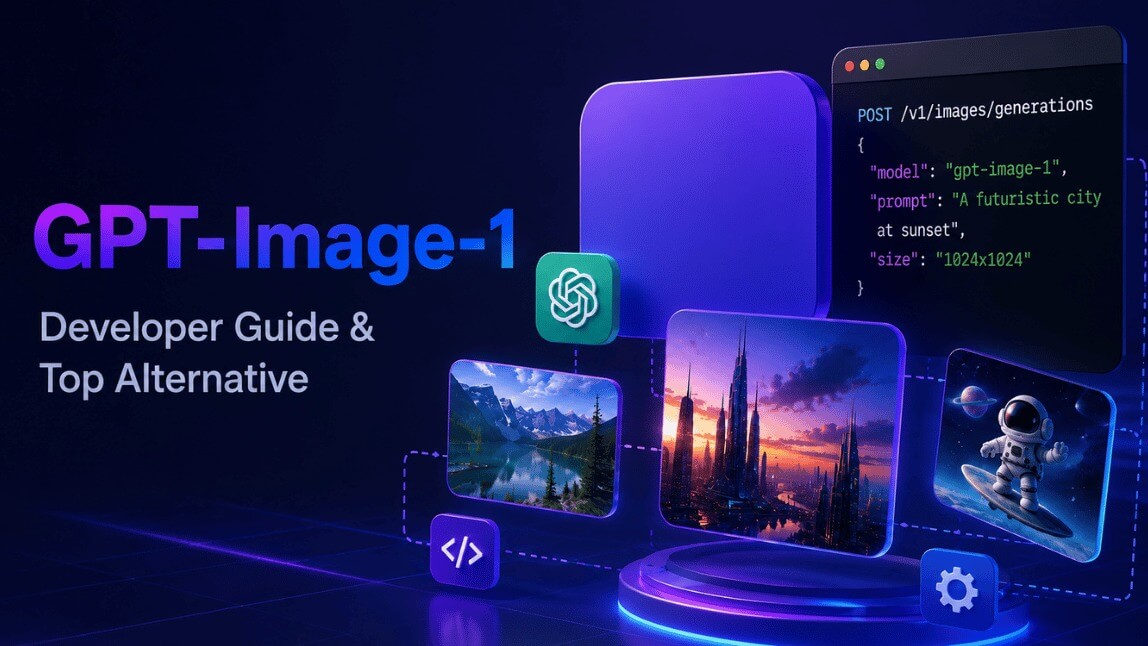
The GPT-Image-1 API is one of the most significant releases in AI image generation to date. It brings the same model powering image creation inside ChatGPT directly into developers' hands — ready to be embedded into products, pipelines, and platforms at scale. For businesses exploring AI image generation, it sets a new benchmark.
But a general-purpose model and the right API for your specific product aren't always the same thing. This guide breaks down exactly what the GPT-Image-1 API can do, where it excels, where it falls short, and when a purpose-built solution like Perfect Corp's AI Image Generator API is a better fit for the job.
What Is the GPT-Image-1 API?
GPT-Image-1 is OpenAI's natively multimodal image generation model — an extension of a GPT-4-class decoder augmented with specialized visual token embeddings and cross-modal attention. That architecture allows it to do something earlier image models couldn't: deeply understand the meaning of a prompt, not just its surface description, and translate that into a coherent visual output.
It's available through OpenAI's Images API and offers two primary capabilities:
1. Generations — Generate a net-new image from a text prompt. You describe what you want; the model produces it.
2. Edits — Supply an existing image along with a new prompt, and the model modifies it — partially or entirely — while preserving context.
Both endpoints give developers programmatic control over output quality (low, medium, or high), image size, and moderation sensitivity. Pricing scales accordingly: roughly $0.02 per image at low quality, up to $0.19 per image at high quality for standard square outputs.
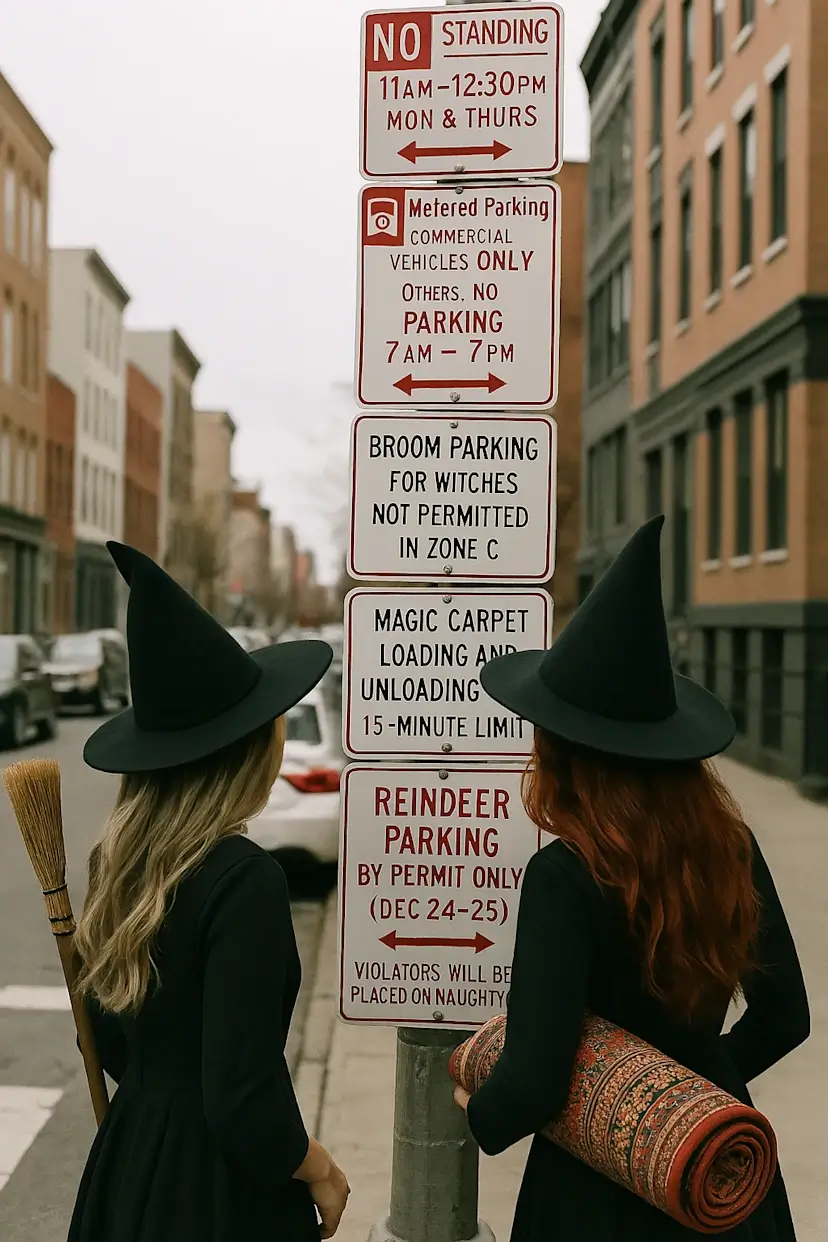
What made GPT-Image-1 stand out on release was its reliable text rendering. Previous image models consistently mangled text embedded in images — unreadable labels, garbled signage, broken typography. GPT-Image-1 treats on-image text as a first-class concern, making it genuinely useful for product labels, infographics, ad creative, and branded assets that actually need legible words in the frame.
Key B2B Use Cases for the GPT-Image-1 API
For development teams building products or internal tools, the GPT-Image-1 API opens up a meaningful set of automation opportunities.
Product image generation at scale
E-commerce brands and platforms can generate lifestyle imagery for product listings without staging photoshoots. Feed the API a product description and style prompt, and get a usable asset in seconds. Companies like GoDaddy have already integrated GPT-Image-1 to let customers generate editable logos and professional typography on demand.
Marketing creative and ad assets
Campaign teams can automate the production of social content, banner ads, and seasonal promotions by wiring the API into a content pipeline. The Edits endpoint is particularly useful here — swap a background, recolor an element, or refresh a hero image without rebuilding from scratch.
Design tools and collaborative platforms
Canva has integrated GPT-Image-1 to let users transform rough sketches into polished graphic elements. For any platform where users need to go from idea to visual quickly, the API provides a strong foundation.
Infographics and data visualization assets
The reliable text rendering makes GPT-Image-1 one of the first image models where infographic-style content — charts with labels, product specs overlaid on photos, annotated diagrams — is practical to generate programmatically.
Automated content pipelines
Developers can wire the API to external data sources and trigger image generation based on events: a new product added to a catalog, a blog post published, or a customer completing onboarding. Connect the output to a CMS, Shopify store, or HubSpot workflow, and the whole cycle runs without human intervention.

What to Evaluate Before Integrating the GPT-Image-1 API
GPT-Image-1 is built as a general-purpose model, which is a strength for broad use cases and a consideration for teams with specialized requirements. Here's what to assess before integrating.
Domain Fit
Because GPT-Image-1 is designed for general creative tasks, teams building in verticals like fashion, beauty, or jewelry may want to validate output quality against their specific use cases — things like garment fit representation, skin tone consistency, or product texture may benefit from domain-tuned tooling alongside it.
Identity-anchored Generation
Generating consistent personas, avatars, or branded characters across multiple outputs requires additional setup. Teams building apps where visual consistency across sessions matters should plan for this in their architecture.
Moderation Settings
The default moderation level is calibrated for broad consumer safety. Developers working in legitimate professional contexts — such as beauty or body care — may want to review the available moderation parameters to ensure they align with their use case.
Pricing at Scale
The per-image model (roughly $0.02–$0.19 depending on quality tier) is straightforward for moderate volumes. For platforms generating large numbers of images per day, it's worth modeling costs early to inform infrastructure planning.
Workflow Scope
GPT-Image-1 focuses on image generation. Teams that also need adjacent capabilities — background removal, photo enhancement, avatar creation, or virtual try-on — will need to source those separately or evaluate platforms that bundle them together.
When You Need a Specialized AI Image Generator API
The right time to look beyond a general model is when your use case demands domain depth, adjacent visual features, or production economics that a general-purpose API doesn't support well.
If your product is in beauty, fashion, e-commerce, or personalized visual experiences — or if you're building a platform where users generate images of themselves or of products they sell — a specialized API delivers meaningfully better results faster, with less custom engineering.
This is exactly the space Perfect Corp's AI Image Generator API is built for.
Try the YouCam AI Image Generator API Playground →
Perfect Corp AI Image Generator API: Built for Visual Product Categories
Perfect Corp is a global AI and AR technology company recognized for powering virtual try-on and image intelligence for leading beauty and fashion brands. Their YouCam AI API platform is a suite of 20+ production-ready visual AI APIs — and the AI Image Generator is the generative core of that ecosystem.
The AI Image Generator API supports both text-to-image and image-to-image generation, with access to 70+ curated styles powered by a multi-model backend including Flux and Imagen 4. The API is a standard RESTful interface that integrates into web apps, iOS, Android, e-commerce platforms, applets, and mini-programs.
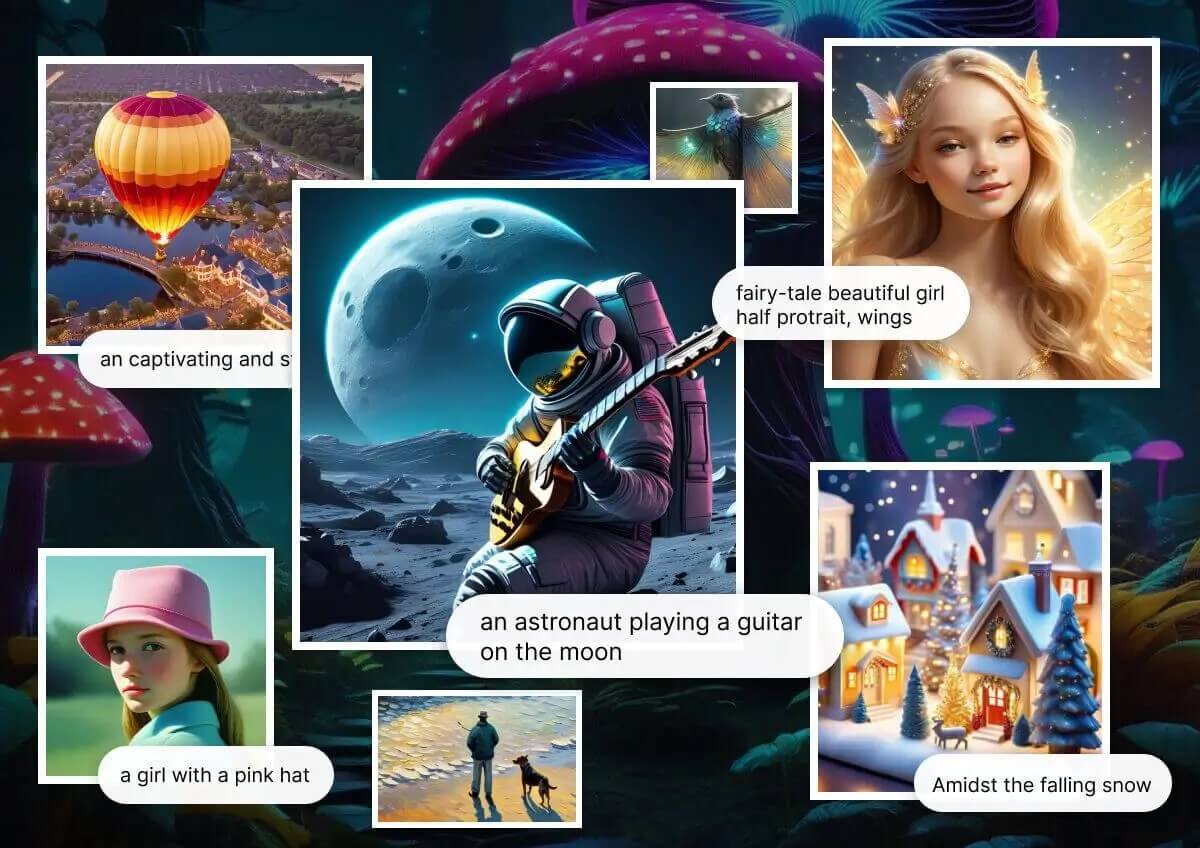
A few things that differentiate it from a general model:
It's part of a complete visual API suite
When you integrate the AI Image Generator, you're also adjacent to object removal, background swapping, photo enhancement, AI headshot generation, avatar creation, face swap, AI studio portraits, and 15+ other image tools — all under one API key and one pricing plan. You're not assembling a patchwork of providers.
Free to start
With a real free tier. You can get an API key and start generating images with free credits immediately — no sales call required. The API playground lets you test outputs before writing a single line of integration code.
MCP support for AI agent workflows
Perfect Corp officially supports the Model Context Protocol, meaning the AI Image Generator (and the rest of the suite) can be called directly by Claude, Cursor, and other LLM-powered agents. If you're building AI-native products or agentic workflows, the APIs are plug-and-play without custom wrappers.
Safety and reliability built in
All uploaded images are deleted within 24 hours, and the platform is designed for enterprise-grade consistency — important for brands handling customer photos at scale.
What You Can Build with Perfect Corp's AI Image Generator API
The combination of generative capability and the broader API suite opens up product possibilities that aren't practical with a general-purpose image model alone.
E-commerce product visualization
Generate lifestyle photos for product listings using text prompts, then use the background change API to place products in different settings — all without a photoshoot. For fashion brands, chain it with the AI Clothes Virtual Try-On API to let shoppers see garments on their own image.
Beauty and skincare platforms
Generate on-brand campaign imagery, create personalized before-and-after visuals, and offer customers an AI Avatar or AI Studio Generator experience — all within the same platform and the same API integration.
Professional headshot and portrait tools
The AI Headshot Generator and AI Studio Generator APIs are purpose-built for generating professional-quality portraits. Combine them with the image generator for full creative tools your users can actually rely on in a professional context.
Fashion and styling apps
Use text-to-image to generate outfit concepts and lookbook assets, feed those into the AI Clothes Virtual Try-On pipeline, and give users an end-to-end styling experience — from concept to "how does this look on me?"
AI agent image workflows
Via MCP integration, let AI agents generate images autonomously in response to product catalog updates, content briefs, or user requests — without requiring a human in the loop.
GPT-Image-1 API vs. Perfect Corp AI Image Generator API: A Quick Comparison
| GPT-Image-1 API | Perfect Corp AI Image Generator API | |
| Model type | General-purpose | Specialized (visual/beauty/fashion) |
| Text-to-image | Yes | Yes |
| Image-to-image (edits) | Yes | Yes |
| Available styles | Broad, unstructured | *70+ curated styles |
| Free trial | Limited | Free API key + free credits |
| MCP support | No | Yes |
| Pricing model | Per-image ($0.02–$0.19) | Tiered, with a free entry point |
The two APIs aren't mutually exclusive. Teams building broad creative tools may use GPT-Image-1 for open-ended generation and layer in Perfect Corp's specialized APIs for domain-specific use cases within the same product.
How to Get Started with Perfect Corp's AI Image Generator API
Getting from zero to your first generated image takes under 15 minutes.
Step 1: Try the playground
No account required. Go to the AI Image Generator API playground and test prompts directly against the API to see what the output looks like for your use case.
Step 2: Get your free API key
Sign up at yce.perfectcorp.com to receive your API key and free credits. No credit card required to start.
Step 3: Read the documentation
The full API reference lives at https://docs.perfectcorp.com/reference/ai_image_generator. It covers endpoints, parameters, style options, file specs, and error handling — everything you need for a clean integration.
Step 4: Make your first API call
The RESTful interface accepts standard JSON payloads. Pass your prompt, select a style, define your output format, and receive your image URL in the response. The integration surface is deliberately simple.
Step 5: Scale with the full suite
Once the image generator is live, explore the adjacent APIs — background change, object removal, avatar generation — under the same account and API key. Webhooks and real-time processing support production-volume workloads.
For enterprise deployments or custom integration support, Perfect Corp is available for consultation.
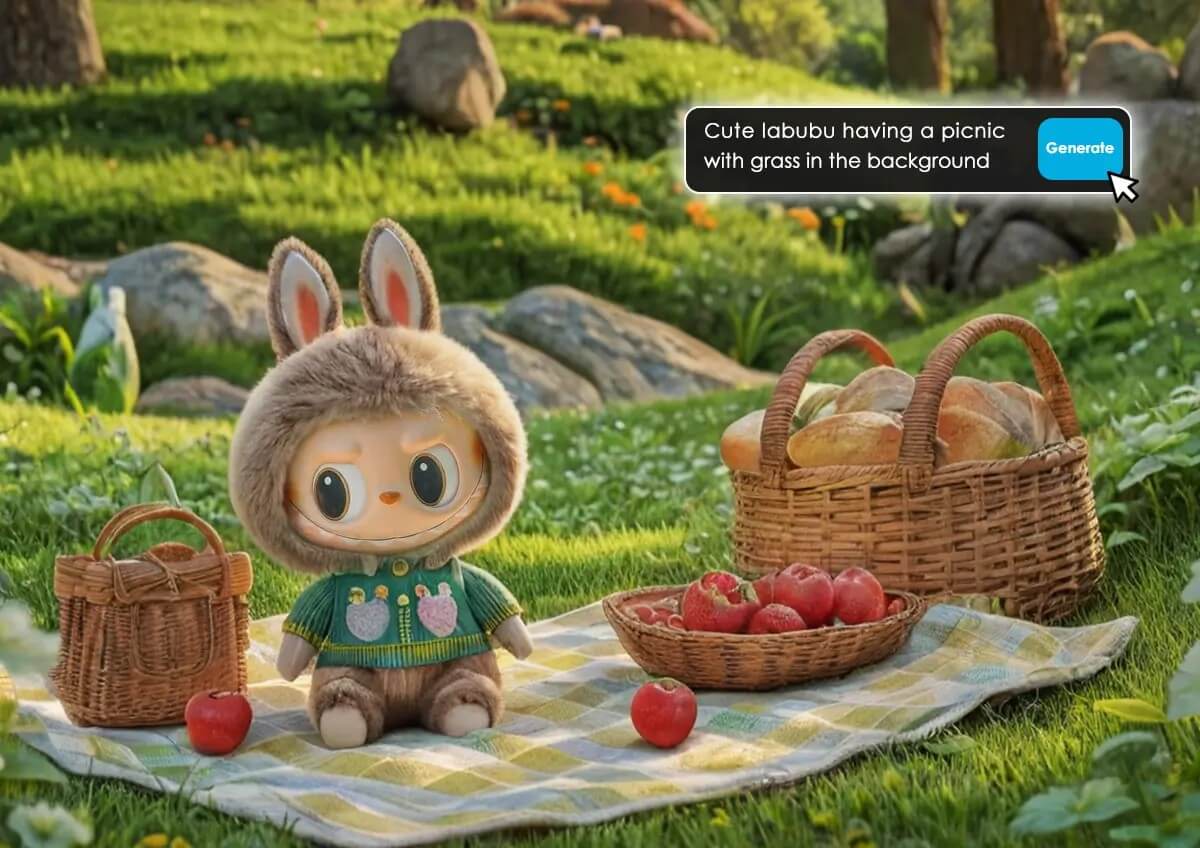
Which Image Generation API Fits Your Product?
The GPT-Image-1 API represents a genuine leap in what's possible with AI image generation. For development teams building general creative tools, content automation pipelines, or features that need strong text rendering, it's a compelling choice with a clear and accessible API surface.
But general-purpose models have limits. If your product sits in beauty, fashion, e-commerce, or any space where users generate personalized visual content, a specialized API closes the gap between "technically works" and "actually delights users."
Perfect Corp's AI Image Generator API gives you 70+ styles, multi-model generation, and a free starting point — backed by a full suite of 20+ visual AI tools that let you go well beyond image generation without changing providers. With MCP support, it's also ready for the AI-agent workflows that are becoming the new standard for production applications.
Interested in the YouCam AI Image Generator API? Contact us to get started.
Shared Materials by Strapi
*Adjust the size of images ONLY. Please go to Strapi to edit the materials info.



 English


