


 Author: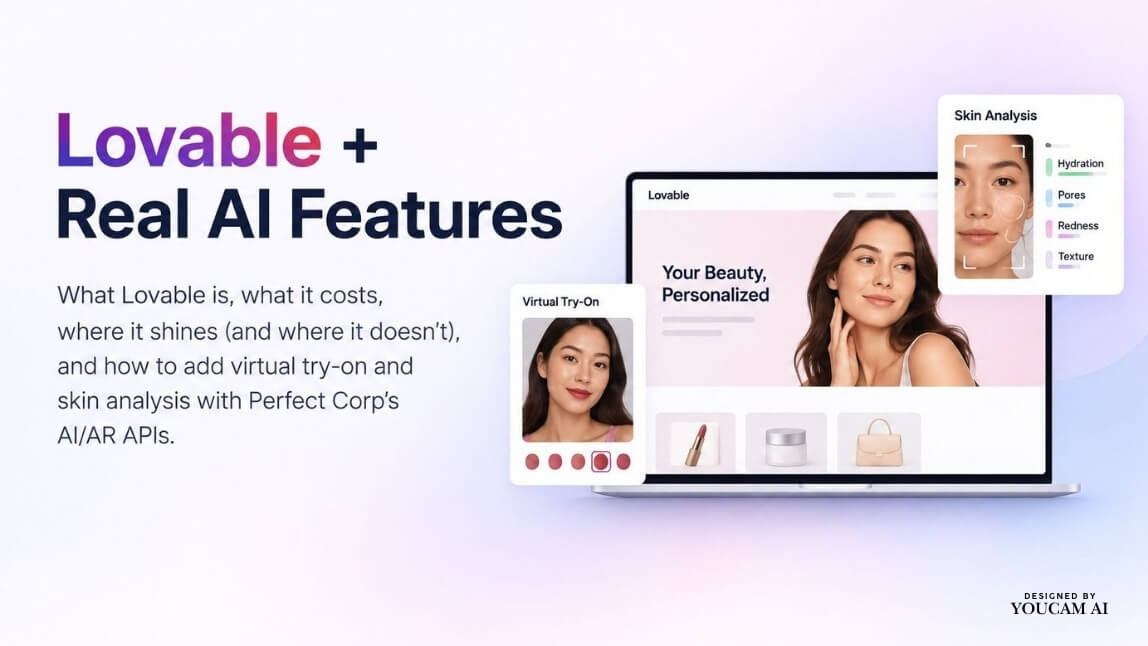
Type "build me a skincare landing page" into a chat box, and thirty seconds later you've got a live site. That's the pitch behind Lovable, the AI website (and app) builder that's turned "I have an idea" into "I have a URL" faster than most people can pick a font.
But a site that just looks smart isn't the same as a site that acts smart. This guide breaks down what Lovable actually is, what it costs, where it shines (and where it doesn't), and, because a pretty homepage with no personalization is a missed opportunity, exactly how to layer real AI-powered features like virtual try-on and skin analysis on top of it using Perfect Corp's AI/AR APIs.
*Images are designed with YouCam AI.
In this guide:
- What Is Lovable AI, and How Does It Actually Build Websites?
- How Much Does Lovable Cost in 2026?
- What Can You Build With Lovable AI Website Builder?
- Is Lovable a Good Fit for Beauty, Skincare, and Medspa Businesses?
- What Are the Pros and Cons of Lovable AI Website Builder?
- How Does Lovable Compare to Wix, Squarespace, and Other AI Builders?
- How Do You Add AI-Powered Features to a Lovable Website?
- Which AI Features Should You Bolt Onto Your Lovable Site?
- How to Add a Virtual Try-On or Skin Analysis Widget to Your Lovable Site
- Is Lovable AI Website Builder Right for Your Business?
- FAQ
What Is Lovable AI, and How Does It Actually Build Websites?
Lovable is a Swedish-built, prompt-to-app platform: you describe what you want in plain English, and it generates a working, full-stack website or web app: front end, back end, and database included, in minutes. It launched in 2023 and has since become one of the fastest-growing names in the "vibe coding" category, alongside tools like Bolt and Replit, by aiming squarely at people who don't want to touch a line of code (though it happily hands you the code if you do).
Under the hood, Lovable turns your prompt into production-ready React and Tailwind code, wires up a Supabase database when your site needs one, and pushes everything to GitHub so you actually own what gets built — a meaningfully different promise than a drag-and-drop builder that locks your site inside its own walled garden.
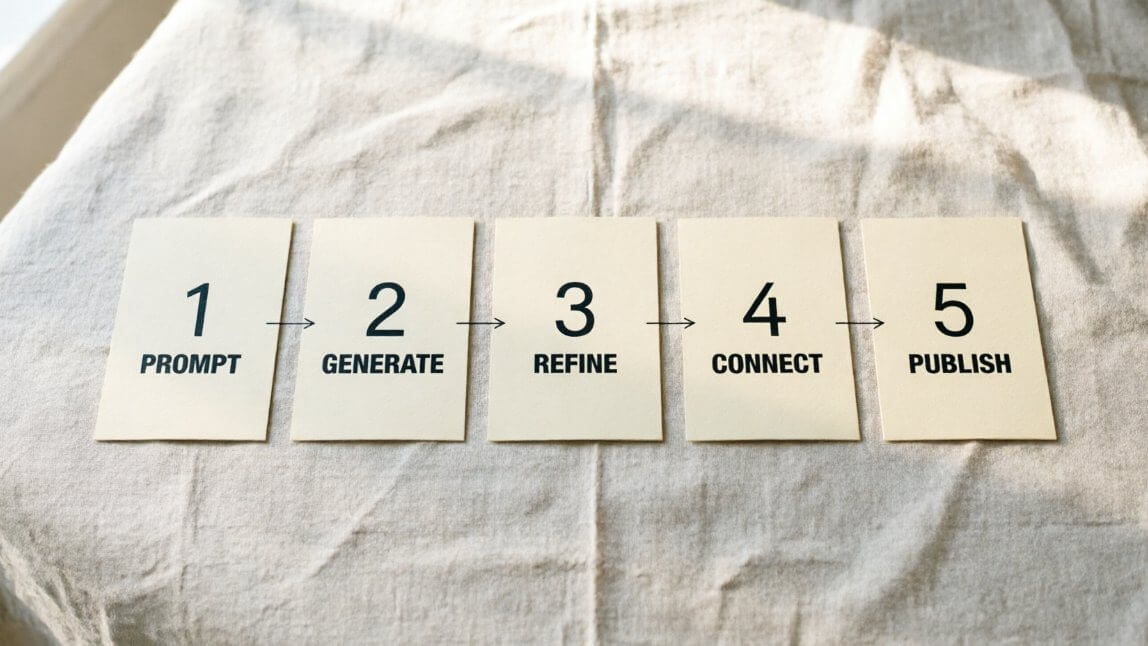
How Lovable's Build Process Actually Works
| Step | What Happens |
|---|---|
| 1. Prompt | You describe the site — audience, pages, tone, features — in a chat box. |
| 2. Generate | Lovable's AI agent writes full-stack code and renders a live preview instantly. |
| 3. Refine | You use Visual Edits (click-and-drag on the live page) or new prompts to adjust design and copy. |
| 4. Connect | You link a database (Supabase), auth, payments, or third-party APIs as needed. |
| 5. Publish | One-click deploy to a custom domain, with GitHub sync for ongoing edits. |
How Much Does Lovable Cost in 2026?
Lovable runs on a credit system rather than a flat "unlimited edits" model, which trips people up until they get used to it. Every AI action — generating a page, fixing a bug, adding a feature — burns credits, so your real monthly cost depends on how chatty you are with the AI.
| Plan | Price | Credits | Best For |
|---|---|---|---|
| Free | $0 | 5/day (30/mo cap) | Testing ideas, quick prototypes |
| Pro | ~$25/mo | 100/mo + 5/day | Solo founders, freelancers |
| Business | ~$50/mo | 100/mo + 5/day | Teams needing SSO, data privacy controls |
| Enterprise | Custom | Custom | Larger orgs with custom API/integration needs |
Two things worth flagging before you swipe a card: credits don't roll over, and a "custom domain" only shows up starting on the Pro tier — the free plan keeps you on a lovable.app subdomain, which isn't a great look if you're trying to build trust with skincare customers who are, understandably, picky about where they enter their skin type and payment details.
What Can You Build With Lovable AI Website Builder?
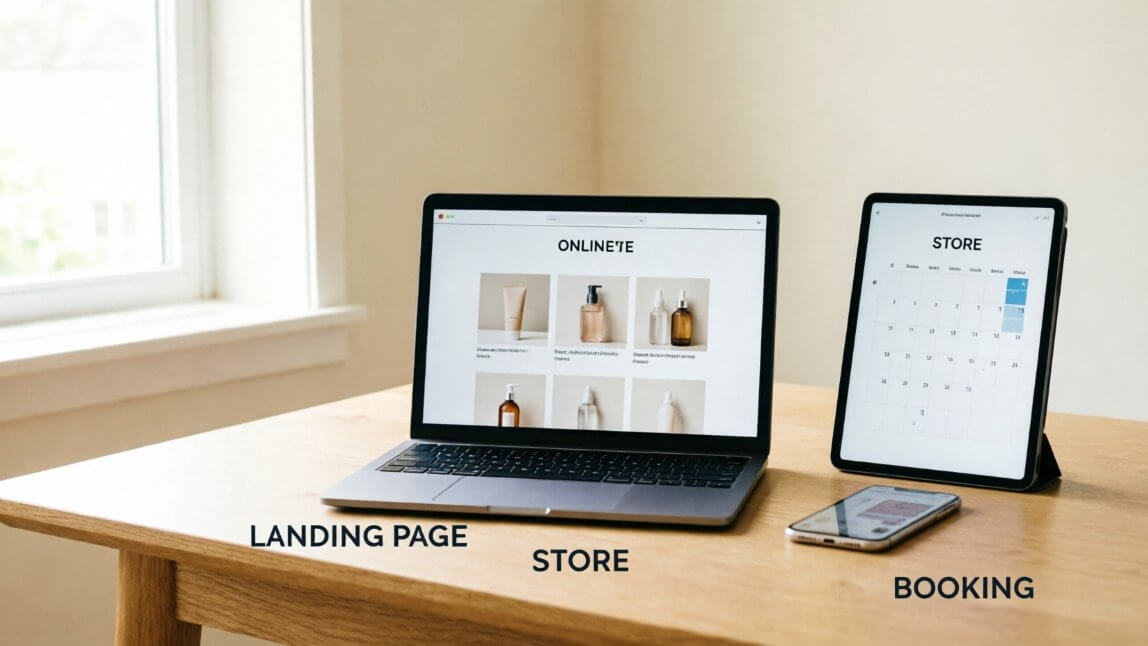
Because Lovable generates real application code (not a template with placeholder text swapped in), it stretches well beyond the standard "five-page brochure site" a typical website builder produces.
- Marketing and landing pages — service pages, product launches, event pages
- Small business sites — bookings, service menus, contact forms
- Ecommerce storefronts — product catalogs connected to a real database and checkout
- SaaS dashboards and internal tools — login, user roles, data views
- Portfolios and one-page sites — for consultants, stylists, clinicians
The catch: Lovable is a builder, not a strategist. It's extremely good at shipping the scaffolding fast. It is not going to know, on its own, that your medspa's highest-converting page pattern is "before/after gallery + booking button above the fold" — that strategic layer is still on you.
Is Lovable a Good Fit for Beauty, Skincare, and Medspa Businesses?
Short answer: yes, as a starting point — with an asterisk. Lovable can spin up a clean, modern site for a skincare line, medspa, or salon group faster than hiring an agency, and its Supabase integration means appointment booking, product catalogs, and customer accounts are all genuinely buildable, not just decorative.
The asterisk is that beauty and skincare shoppers convert on personalization, not just polish. A 2025 McKinsey beauty consumer survey found that over 60% of beauty shoppers are more likely to buy after trying a product virtually or seeing personalized recommendation, something a stock Lovable build won't give you out of the box. That's the gap this guide is about closing.
See what a beauty brand's site can look like with AI baked in. Browse real interactive AI/AR demos from Perfect Corp before you decide what to build.
What Are the Pros and Cons of Lovable AI Website Builder?
| Pros | Cons |
|---|---|
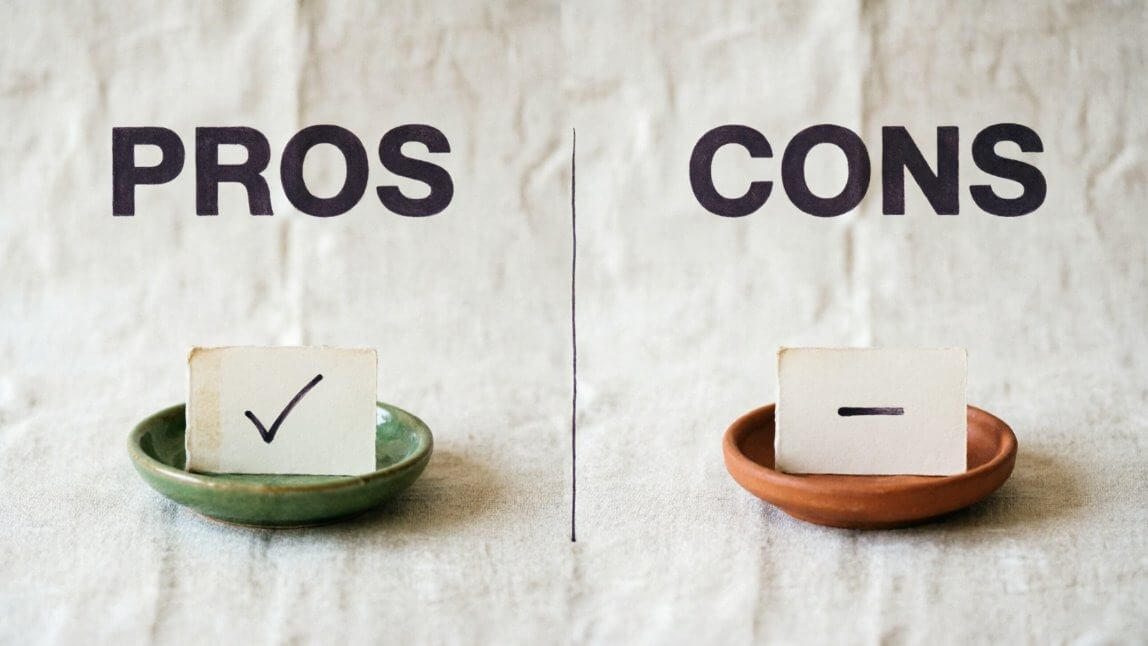
| Full-stack output (real code, real database) — not just a static template | Credit system means costs scale unpredictably with usage |
| Fast iteration via chat prompts and Visual Edits | Complex custom logic still needs a developer's eye |
| GitHub sync — you own and can export your code | Prompt quality heavily affects output quality (learning curve) |
| Built-in Supabase auth, database, and now native AI connectors | Free tier has no custom domain and limited privacy |
| Good for MVPs, internal tools, and marketing sites alike | Design can feel "sampled" without deliberate prompting/refinement |
How Does Lovable Compare to Wix, Squarespace, and Other AI Builders?
Search "lovable ai website builder" and you'll mostly find Lovable's own comparison content pitting itself against Wix, Squarespace, Hostinger, and Bolt. Here's the honest, non-marketing version of that table.
| Builder | Best For | Starting Price | Code Ownership |
|---|---|---|---|
| Lovable | Full-stack apps, technical founders, ecommerce logic | Free / ~$25 mo | Yes (GitHub export) |
| Wix | Fast drag-and-drop marketing sites | ~$17/mo | No |
| Squarespace | Design-forward brand sites, portfolios | ~$16/mo | No |
| Hostinger AI Builder | Budget small-business sites with SEO tools | ~$12/mo | No |
| Bolt (StackBlitz) | Developers wanting browser-based full-stack builds | Free / $25+ mo | Yes |
The pattern across every competitor review is the same: Lovable wins on flexibility and code ownership, and loses a little on out-of-the-box polish and true no-code simplicity. None of these tools — Lovable included — ship personalization, virtual try-on, or skin diagnostics natively. That's an add-on layer for all of them, which is exactly the opportunity the rest of this guide is about.
How Do You Add AI-Powered Features to a Lovable Website?
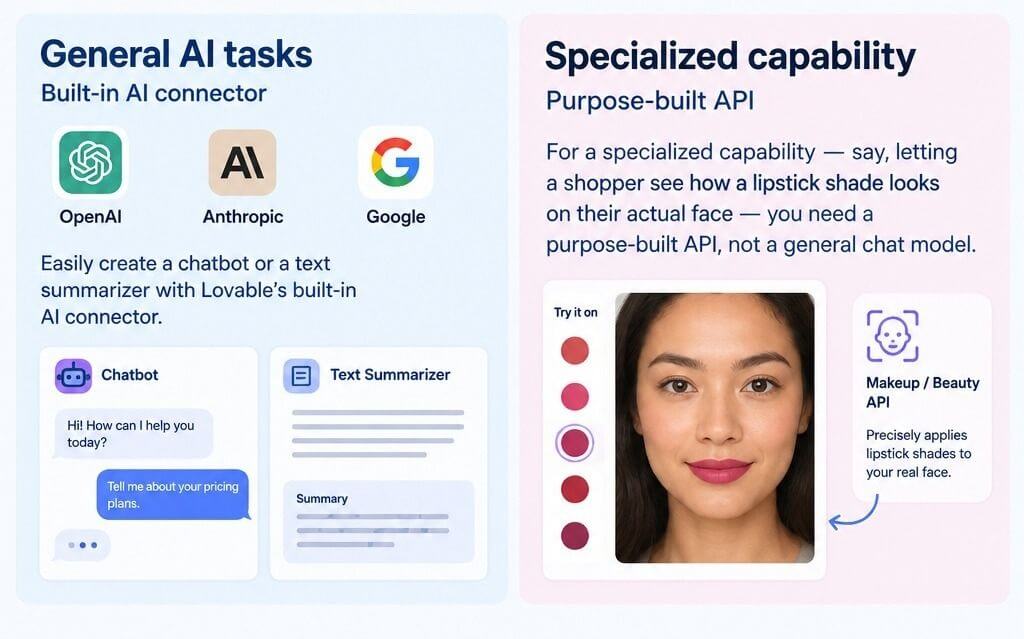
Here's the part most "Lovable guide" articles skip entirely: Lovable will happily generate a chatbot or a text summarizer using its built-in AI connector (it supports OpenAI, Anthropic, and Google models under the hood). But for a specialized capability — say, letting a shopper see how a lipstick shade looks on their actual face — you need a purpose-built API, not a general chat model. Lovable is explicitly built to support that: its documentation tells developers that when you want to use your own provider, you simply "ask Lovable to call the provider's API directly from a backend edge function, with your key stored as a secret."
In plain English: any REST API — including Perfect Corp's — can be wired into a Lovable-built site. You prompt Lovable to create a secure backend function, drop in your API key, and the front end calls that function instead of exposing your credentials to the browser. No separate hosting, no custom backend from scratch.
Which AI Features Should You Bolt Onto Your Lovable Site?
This is where beauty, skincare, and medspa businesses have an edge most industries don't: there's an entire category of consumer-tested AI/AR features built specifically for this vertical. Perfect Corp's AI are used by 800+ brands — meaning the "does this actually convert" question has already been answered at scale before you ever add it to your own Lovable build.
AI Face Analyzer API
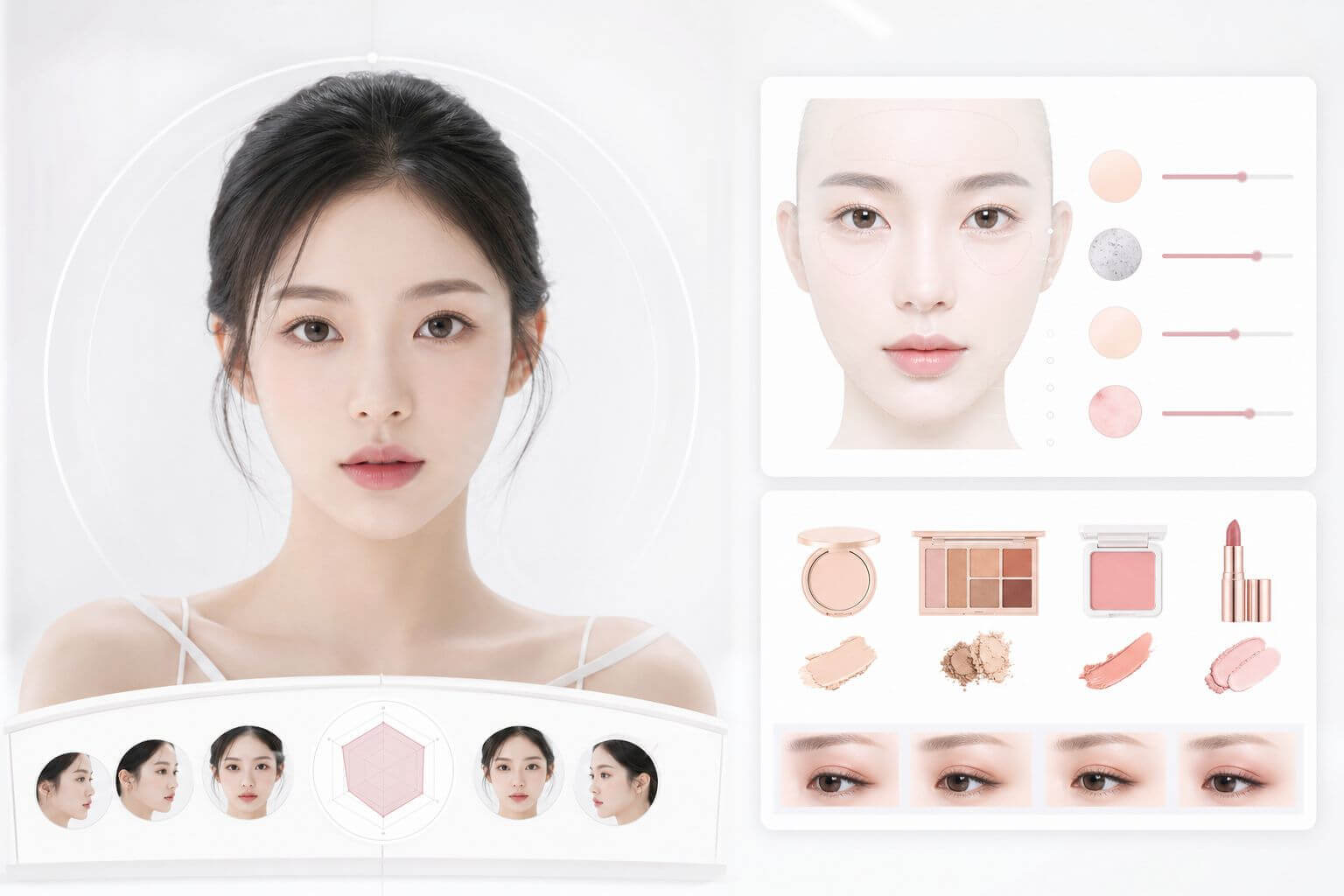
Scans a selfie and returns face shape, proportions, and feature mapping — the foundation for personalized product or service recommendations (think: "recommended frame shapes" or "best brow style for your face shape").
Explore the AI Face Analyzer and see how face-shape data can power personalized recommendations on your own site.
AI Skin Diagnostic API
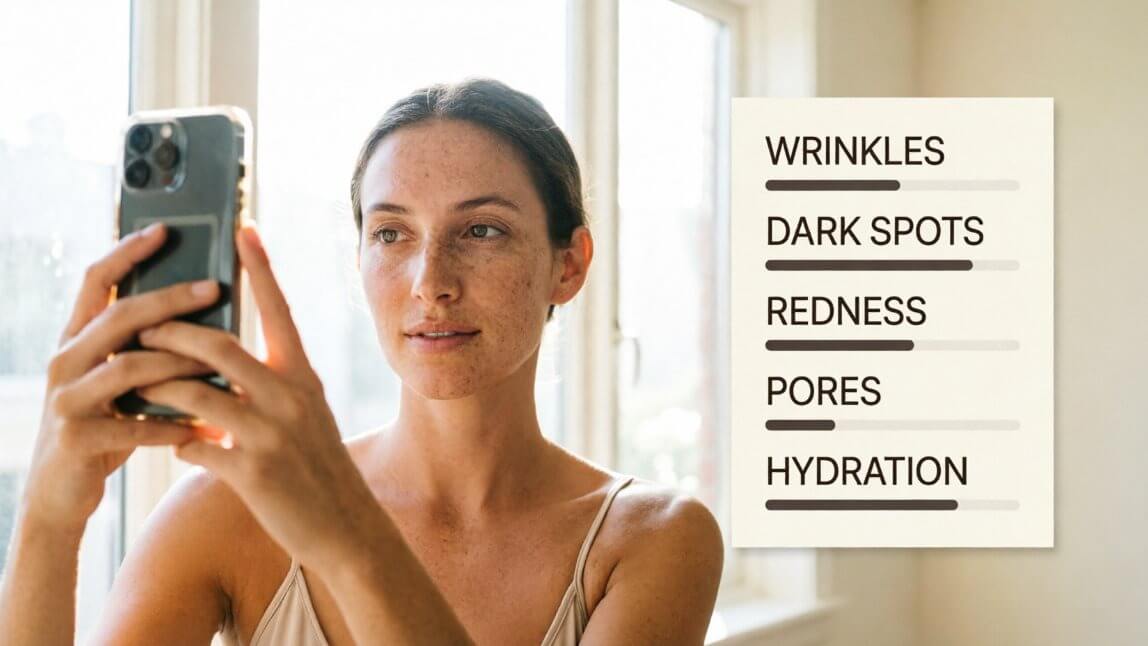
Analyzes wrinkles, dark spots, redness, pores, and hydration from a photo, then maps results to product or treatment recommendations — the single highest-converting feature for skincare and medspa sites, since it replaces a generic quiz with visual proof.
See the AI Skin Diagnostic tool in action, or read how another brand implemented it in this walkthrough on using a skin analysis API.
AI Makeup and Hairstyle Virtual Try-On
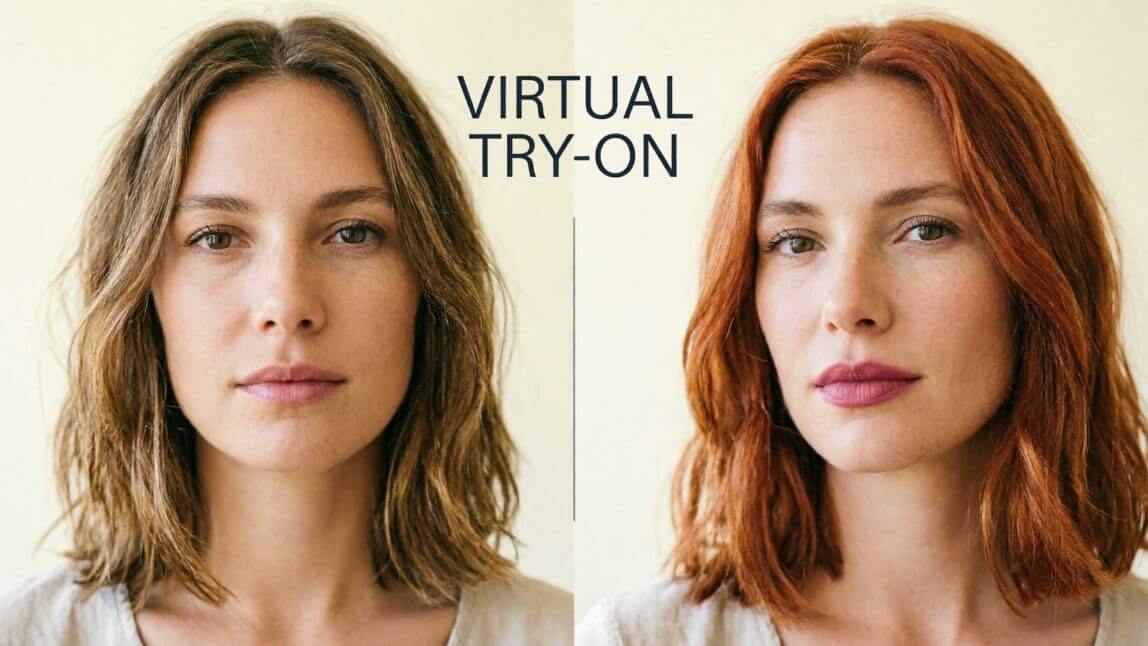
Lets shoppers "wear" a lipstick shade, foundation tone, or hair color in real time via webcam or photo upload — the closest thing to an in-store counter experience a website can offer, and a proven cart-lift driver for beauty ecommerce.
Try the AI Hair Color Try-On or browse virtual hairstyle options to see the shopper-facing experience firsthand.
AI Jewelry and Eyewear Virtual Try-On
Not just for skincare — brands selling glasses, rings, earrings, or watches can use AR try-on to solve the single biggest ecommerce objection for accessories: "I don't know how this will actually look on me."
See it live with the virtual eyewear try-on demo or the ring sizer and try-on experience.
AI Aesthetic Simulation
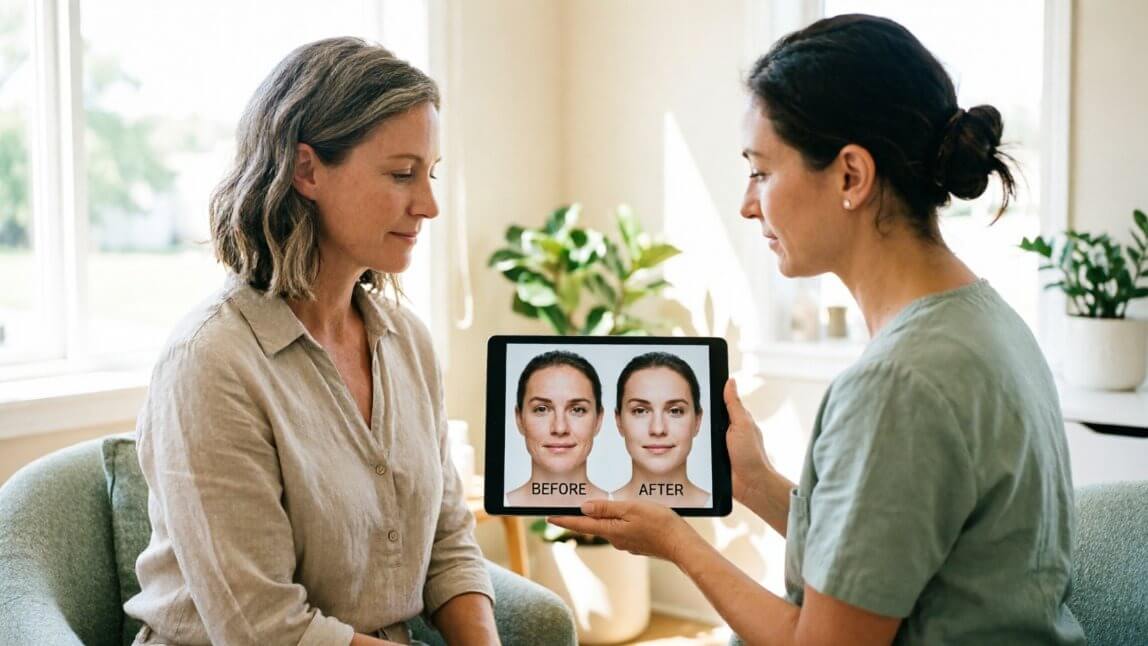
For medspas specifically: lets a potential patient preview the subtle, realistic effect of a treatment (filler, smoothing, contouring) before booking — a powerful consultation-conversion tool that turns "I'm not sure" into "let's schedule it."
How to Add a Virtual Try-On or Skin Analysis Widget to Your Lovable Site (Step-by-Step)
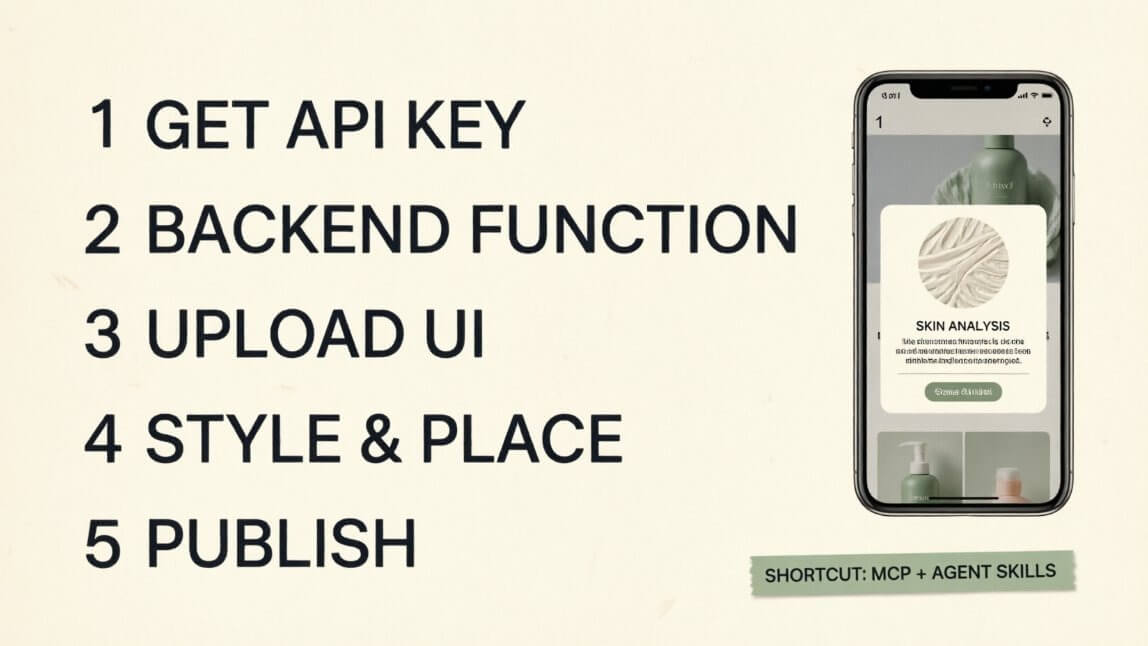
- Get API access. Create a free account and grab a key from the Perfect Corp AI API Playground — you can test the exact endpoint (skin analysis, face analyzer, virtual try-on) directly in the browser before writing any code.
- Prompt Lovable to build a backend edge function. Tell Lovable: "Create a secure backend function that calls [Perfect Corp API name] and store my API key as a secret." It scaffolds the function and keeps your key off the client side.
- Prompt the front-end component. Ask Lovable for an upload or webcam-capture UI element that sends the photo to your new edge function and displays the returned result (analysis data, or a try-on rendered image).
- Style and place it. Use Visual Edits to drop the widget into your product page, quiz flow, or booking page — wherever the decision moment actually happens.
- Test and publish. Preview on mobile (most beauty shoppers are on their phones), then one-click deploy.
Skip the guesswork. Try the API in Perfect Corp's AI Playground right now — no code required to see the output format before you build.
Is Lovable AI Website Builder Right for Your Business?

If you want a site up fast, want to own the underlying code, and are comfortable (or willing to learn) prompting your way through refinements, Lovable is a genuinely strong choice — arguably the most flexible AI builder on the market right now for anyone who might outgrow a template-based tool later. If you want pure drag-and-drop with zero technical thinking involved, a tool like Wix or Squarespace will frustrate you less on day one.
Either way, the AI website builder is only half the equation. The other half — what the site actually does for a visitor — is where beauty, skincare, and medspa brands have the clearest opportunity to stand out, because the tooling to make a site interactive already exists and is a simple API call away.
Ready to see it on your own site? Contact Perfect Corp for a demo and we'll walk through which API fits your Lovable build.
FAQ
Is Lovable free or paid?
Both. The free plan gives you a daily credit allowance to prototype, but you'll want a paid tier (Pro starts around $25/month) once you need a custom domain, private projects, or higher usage.
What does Lovable AI actually do?
It turns a written description of a website or app into real, working full-stack code — front end, database, and hosting-ready deployment — instead of just a static design template.
What's the difference between Lovable and ChatGPT?
ChatGPT can write code snippets in a chat window; Lovable assembles those snippets into a deployed, running application with its own hosting, database, and one-click publish flow.
Is Replit or Bolt better than Lovable?
They're close cousins in the "AI app builder" category. Replit leans more toward general-purpose coding and collaboration, Bolt toward fast browser-based prototyping, and Lovable toward polished full-stack web apps with strong design defaults — the "best" one depends on how technical your team is.
Can I add AI features to a Lovable website?
Yes. Lovable has a native AI connector for general tasks (chat, summarization) and explicitly supports wiring in any third-party API — like Perfect Corp's virtual try-on or skin diagnostic APIs — through a secure backend function.
Is Lovable good for an ecommerce or beauty brand website?
It can build the storefront, catalog, and checkout logic well. What it won't give you natively is personalization — virtual try-on, skin analysis, shade matching — which is where a specialized API layer makes the biggest conversion difference.



 English


