 Author:



Why More Beauty Software Platforms Are Adding AI Skin Analysis
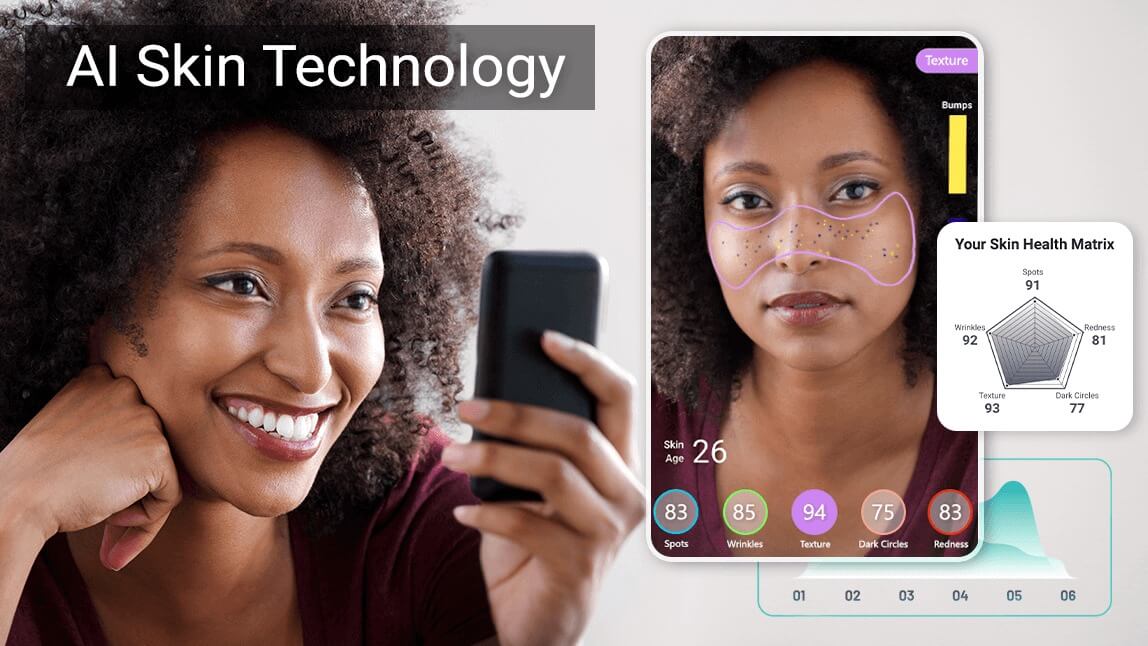
Across the beauty and aesthetics industry, personalization has become a major competitive advantage. Clients no longer want generic skincare recommendations—they expect data-driven consultations tailored to their skin condition.
This shift has pushed many beauty technology platforms, including salon software, medspa systems, skincare apps, and dermatology platforms, to explore AI skin analysis capabilities.
Using advanced computer vision and machine learning, modern skin analysis technology can detect multiple skin concerns such as:
- Wrinkles
- Fine lines
- Pores
- Acne
- Redness
- Texture
- Dark spots
- Oil levels
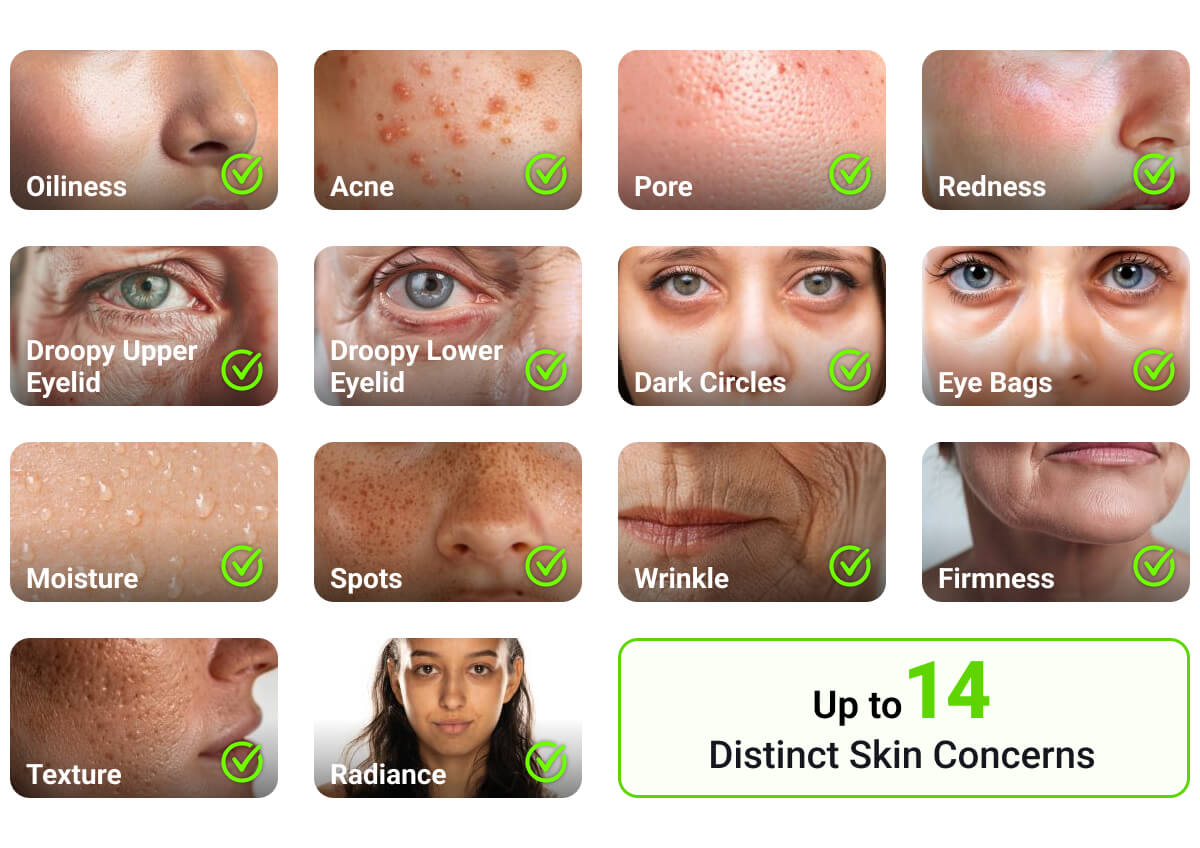
For software platforms, this technology enables automated skin diagnostics, personalized skincare recommendations, and digital consultations directly within their apps or websites.
However, when companies decide to introduce this capability, they face a critical question:
Should we build skin analysis technology ourselves—or integrate an existing Skin Analysis API?
For most platforms, the answer comes down to cost, time, scalability, and accuracy.
What Is a Skin Analysis API?
A Skin Analysis API allows developers to integrate advanced AI-powered skin diagnostics into their applications without needing to build the machine learning infrastructure themselves.

Through a simple API integration, platforms can enable users to:
- Upload or capture a selfie
- Analyze skin conditions instantly
- Generate detailed skin reports
- Receive personalized skincare recommendations
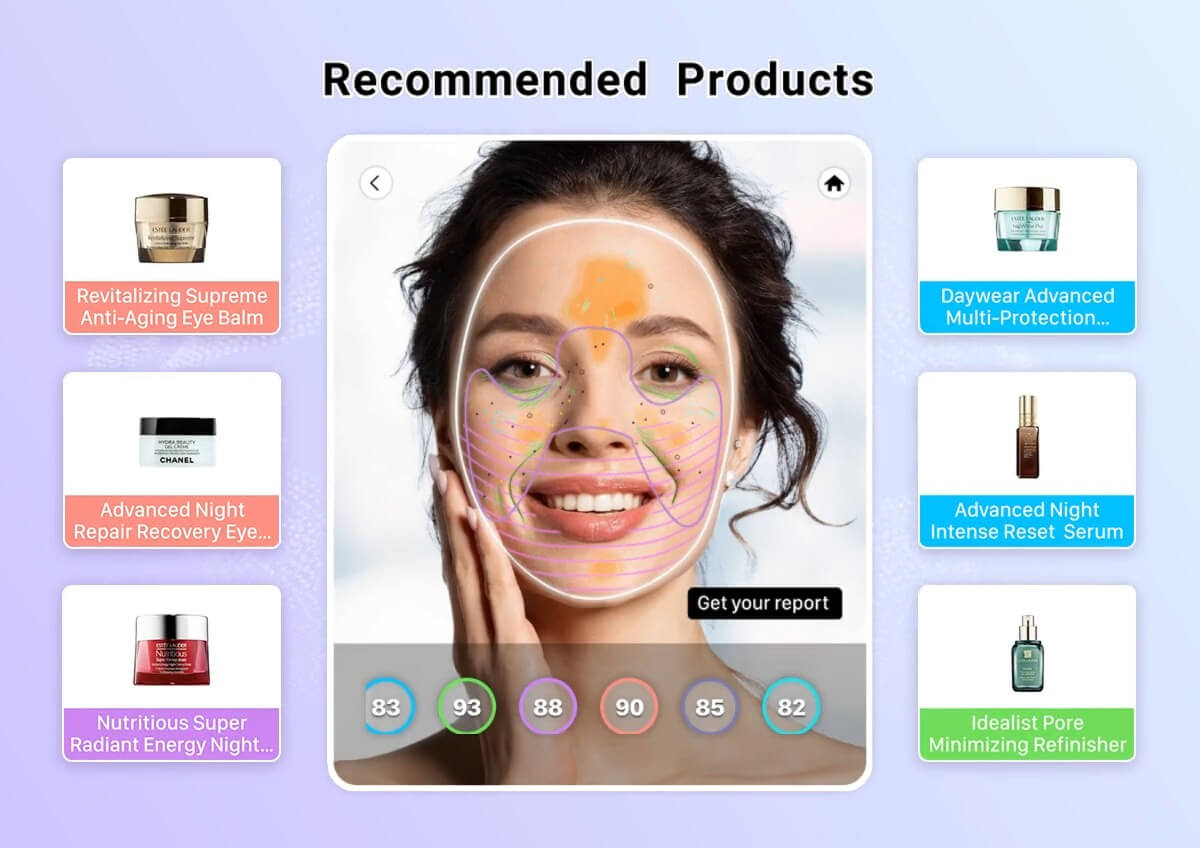
Solutions like the Perfect Corp. AI Skin Analysis API make it possible for beauty software platforms to launch AI skin consultation features quickly and reliably.
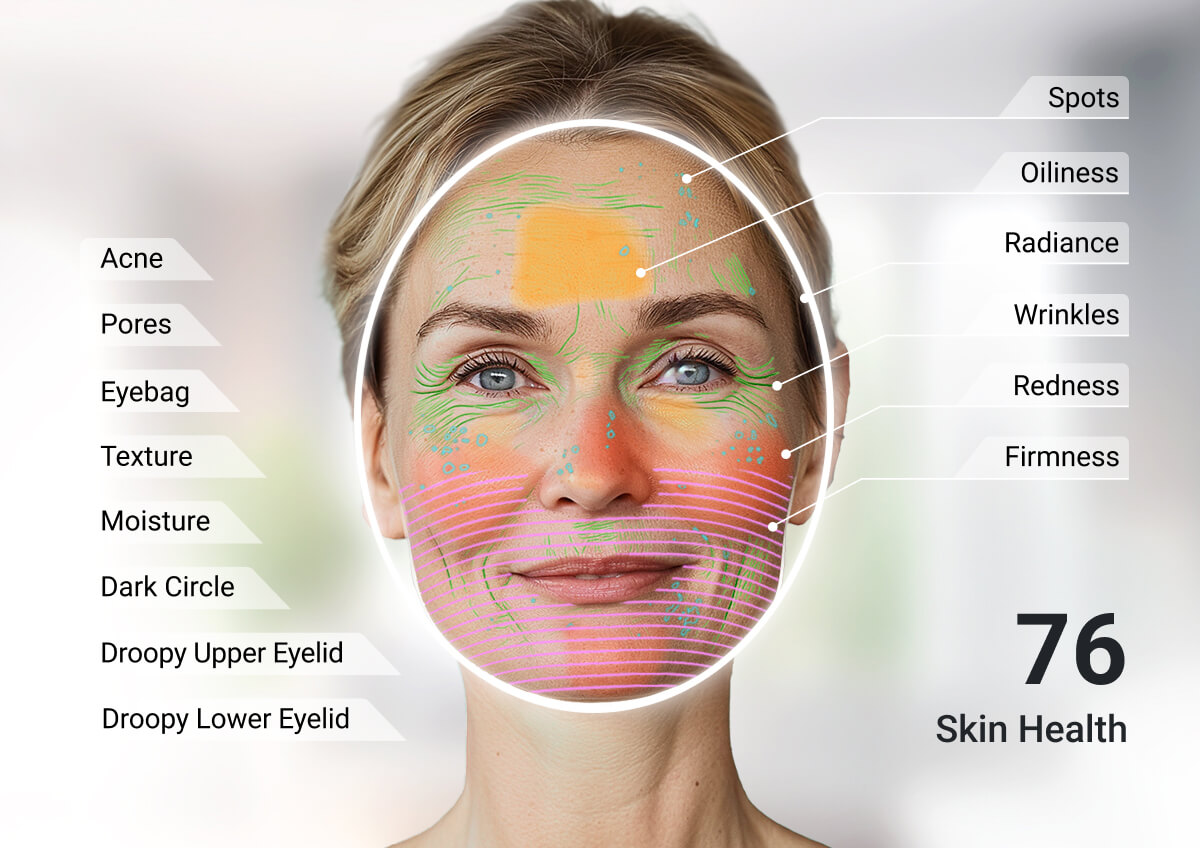
Instead of spending years developing computer vision models, developers can simply call an API and receive detailed skin analysis results in seconds.
This dramatically lowers the barrier for introducing AI skin diagnostics into digital beauty platforms.
Why Businesses Are Investing in AI Skin Analysis
Adding skin analysis technology is not just a technical upgrade—it can fundamentally transform how beauty businesses interact with their clients.
1. Personalized Skincare Recommendations
AI skin analysis allows software platforms to deliver hyper-personalized skincare recommendations based on real skin data rather than assumptions.

For example:
- A client uploads a selfie.
- The system detects multiple skin conditions.
- The platform recommends targeted treatments or skincare products.
This creates a consultation-like experience even before a client visits a salon or clinic.
2. Automated Digital Consultations
For salons, dermatology clinics, and medspas, AI skin analysis can automate parts of the consultation process.
Clients can perform a digital skin scan before their appointment, allowing practitioners to review the results ahead of time.
Benefits include:
- Faster consultations
- Better treatment planning
- Improved client experience
- More efficient appointment scheduling
For software platforms offering booking or CRM systems, integrating skin analysis creates a powerful pre-appointment engagement tool.
3. Increased Product and Treatment Sales
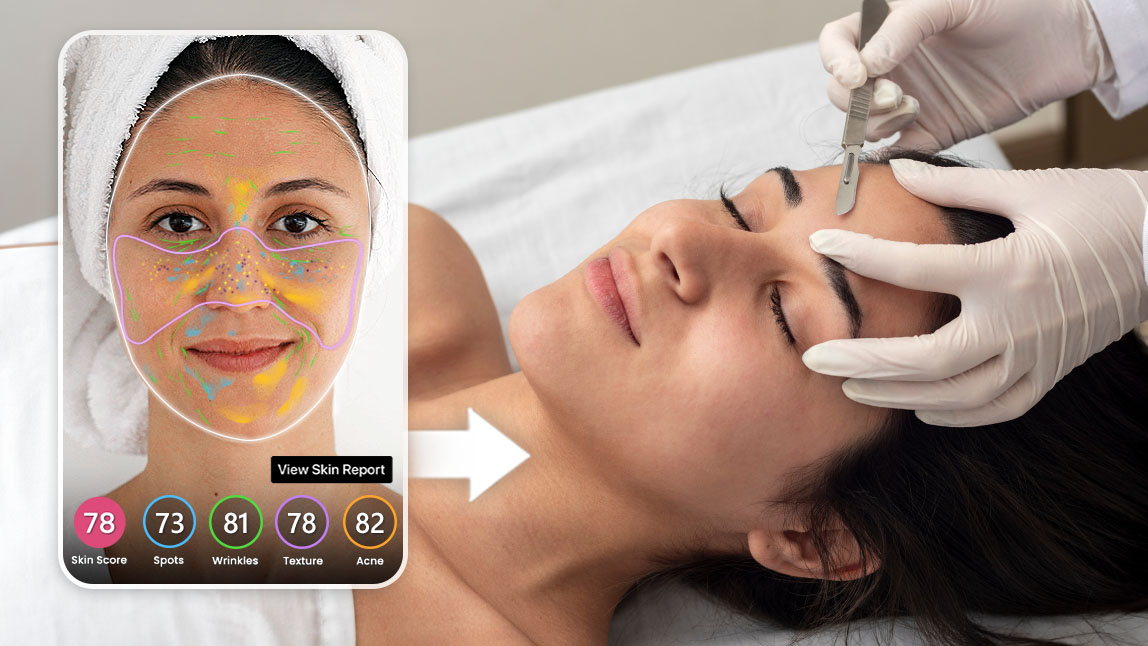
When skin conditions are clearly identified and visualized, clients are more likely to trust recommendations.
Platforms that integrate skin diagnostics can use analysis results to recommend:
- Skincare products
- Facial treatments
- Laser procedures
- Medical aesthetics services
This creates natural opportunities for product upselling and treatment conversions.
4. Data-Driven Skin Progress Tracking
Another powerful feature enabled by skin analysis APIs is skin progress tracking.
Clients can perform scans over time and track improvements in conditions such as:
- Acne
- Wrinkles
- Skin tone
- Texture
- and more
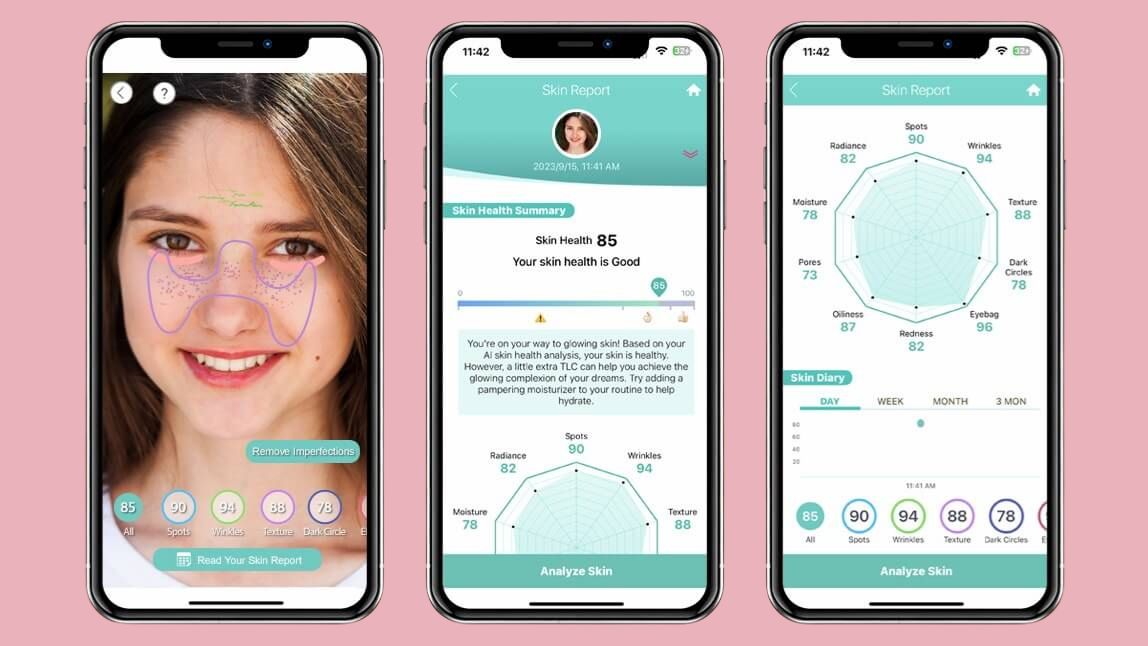
For beauty platforms, this creates:
- Long-term engagement
- Subscription opportunities
- Loyalty-building features
The Challenge of Building Skin Analysis Technology In-House
Although some software companies consider building their own AI models, developing skin analysis technology internally is extremely complex.
Below are the main challenges.
1. Massive Training Data Requirements
AI skin analysis models require hundreds of thousands—or even millions—of labeled facial images to train accurately.
These datasets must include:
- Diverse skin tones
- Multiple age groups
- Different lighting conditions
- Various skin concerns
Collecting and labeling this data is both expensive and time-consuming.
Without large datasets, machine learning models struggle to produce reliable results.
2. Specialized AI and Computer Vision Expertise
Building a skin analysis system requires expertise in multiple advanced areas:
- Computer vision
- Machine learning
- Dermatology knowledge
- Image processing
- Model training and evaluation

Most SaaS companies—especially beauty software startups—do not have teams dedicated to developing these specialized technologies.
3. Continuous Model Improvement
AI models are not static.
They must be continuously improved to handle:
- new devices
- different lighting conditions
- diverse global users
- new skin condition categories
Maintaining a machine learning pipeline requires ongoing investment in data scientists and infrastructure.
4. Regulatory and Privacy Considerations
Skin analysis systems process facial images, which introduces privacy and regulatory challenges.
Platforms must ensure compliance with regulations such as:
- GDPR
- HIPAA (for medical applications)
- Data protection standards

Established API providers already invest heavily in security, compliance, and data protection, which can be difficult for startups to replicate.
Why Many Platforms Choose a Skin Analysis API Instead
For most companies, integrating a ready-made Skin Analysis API provides a much faster and more scalable path.
Here are the key advantages.
Faster Time to Market
Developing AI technology from scratch can take years.
With an API integration, platforms can launch skin analysis features within weeks or months.
This allows businesses to stay competitive and introduce innovative features quickly.
Proven AI Accuracy
Established skin analysis APIs are trained on large, diverse datasets and refined through years of research.
This leads to more reliable detection of skin concerns such as:
- wrinkles
- pores
- acne
- redness
- texture
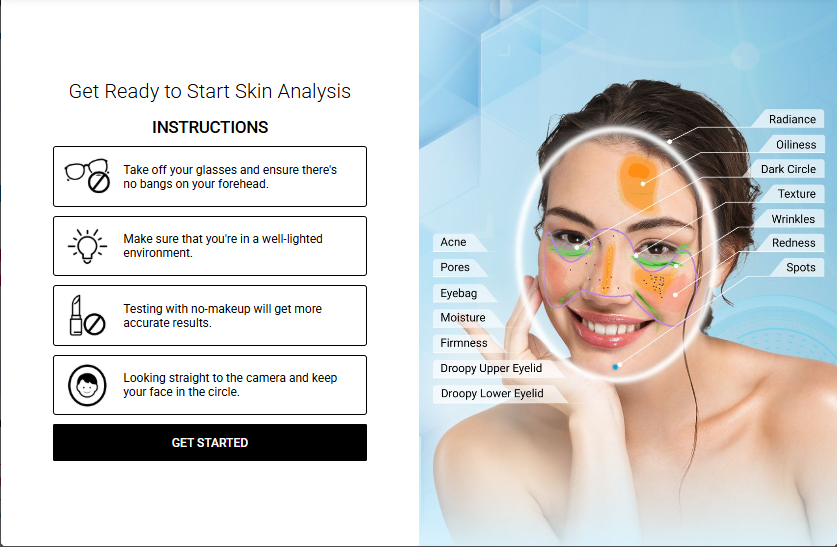
Higher accuracy improves both user trust and recommendation quality.
Lower Development Costs
Building AI infrastructure requires significant investment in:
- data collection
- model training
- GPU computing
- ongoing maintenance
API integration shifts these costs to the provider, allowing software companies to focus on their core product features.
Easy Developer Integration
Modern APIs are designed to be developer-friendly.
Integration typically involves:
- REST API calls
- SDKs for web and mobile
- cloud-based processing
This means development teams can quickly embed skin analysis capabilities into existing products.
For example, developers can integrate the AI Skin Analysis API to enable features such as:
- digital skin consultations
- skin health reports
- personalized skincare recommendations
- progress tracking dashboards
Ideal Platforms for Skin Analysis API Integration
Many types of software platforms can benefit from AI skin analysis capabilities.
Examples include:
Salon Management Software
Salons can offer digital skincare consultations directly through their booking apps.
Clients can analyze their skin before scheduling a facial or skincare treatment.
MedSpa and Aesthetic Clinic Software
Clinics can use skin analysis to recommend treatments such as:
- chemical peels
- microneedling
- laser therapy
- anti-aging procedures
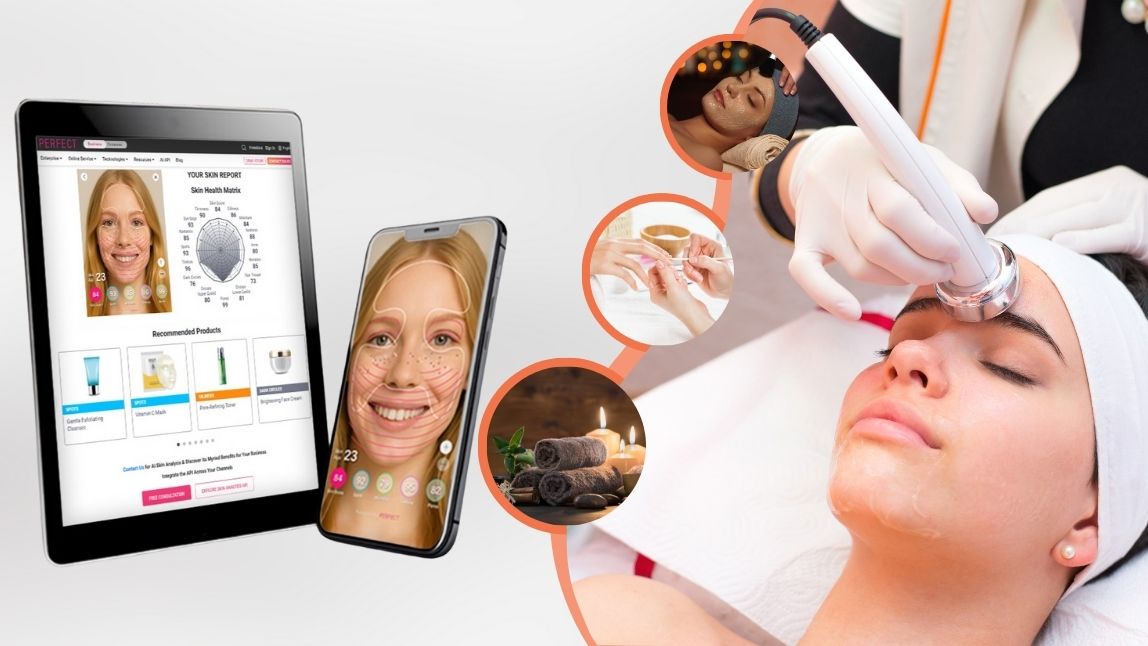
This improves consultation quality and helps clients understand treatment plans.
Skincare E-Commerce Platforms
Online beauty retailers can use skin analysis to generate personalized product recommendations.
This transforms product discovery into a guided skincare experience.
Skincare Apps and Consumer Beauty Platforms
Mobile apps can integrate skin analysis to help users:
- monitor skin conditions
- track improvements
- receive routine recommendations
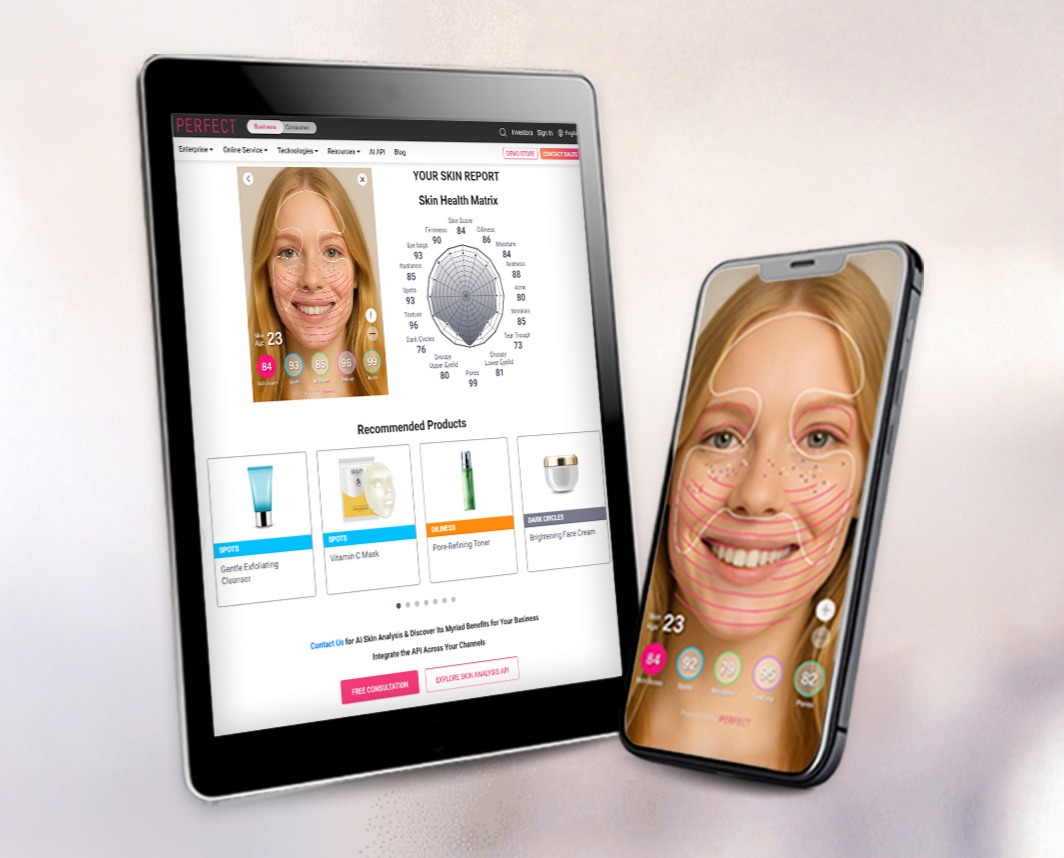
This creates highly engaging beauty experiences.
Build vs Buy: The Final Verdict
While building AI technology internally may seem appealing, the reality is that skin analysis is an extremely complex computer vision problem.
Most beauty software platforms benefit more from integrating an existing solution rather than attempting to develop the technology themselves.
Using a Skin Analysis API allows companies to:
- launch features faster
- reduce development costs
- access proven AI technology
- deliver better skincare experiences
As personalization continues to reshape the beauty industry, AI skin analysis will likely become a standard feature across beauty and skincare platforms.
Start Building AI Skin Analysis Into Your Platform
If you're developing software for the beauty, skincare, or aesthetics industry, integrating AI skin analysis can unlock powerful new capabilities for your platform.
Through the AI Skin Analysis API, businesses can deliver:
- dermatologist-grade skin diagnostics
- personalized skincare recommendations
- automated digital consultations
- skin progress tracking
Learn more about integrating the technology here: AI Skin Analysis API for Beauty Platforms