


 Author:
Key Takeaways
- Why Skin Care Tests Are Suddenly Everywhere
- The Problem With “Knowing Your Skin” From Experience
- What a Modern Skin Care Test Actually Looks Like
- What a Skin Care Test Can Reveal in Minutes
- Why Skin Care Tests Are Replacing Skincare Quizzes
- How People Are Using Skin Care Test Results in Real Life
- Do You Actually Need a Skin Care Test?
- The Future of Skincare Starts With Testing, Not Guessing
Most people believe they understand their skin. They’ve lived with it for years, tried countless products, and learned what “usually works.”
But lately, more people are discovering something unexpected: their skin isn’t what they thought it was.
That realization often starts with a modern skin care test—one that looks at the skin itself, not just what someone thinks they see.
Why Skin Care Tests Are Suddenly Everywhere
Skincare routines have never been more complicated. Between active ingredients, multi-step regimens, and endless product launches, many people are feeling overwhelmed—and frustrated by results that don’t last.
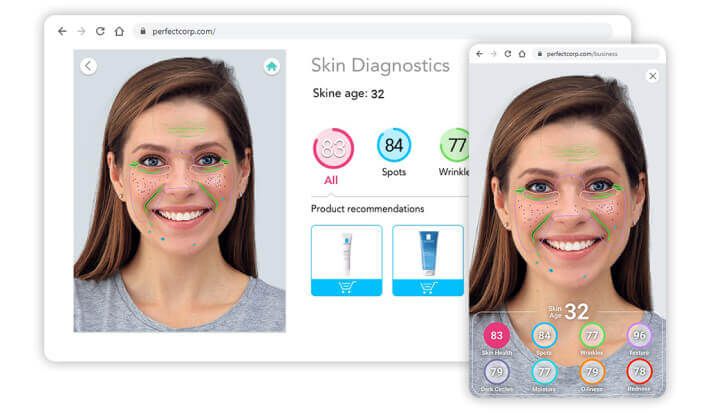
That’s why skin care tests are gaining attention right now. They offer clarity in a space full of guessing. Instead of experimenting for months, people want answers in minutes.
The Problem With “Knowing Your Skin” From Experience
Looking in the mirror feels reliable—but it isn’t always accurate.
Lighting changes how texture appears. Seasonal shifts affect oil and hydration. Stress, sleep, and environment quietly reshape skin over time.
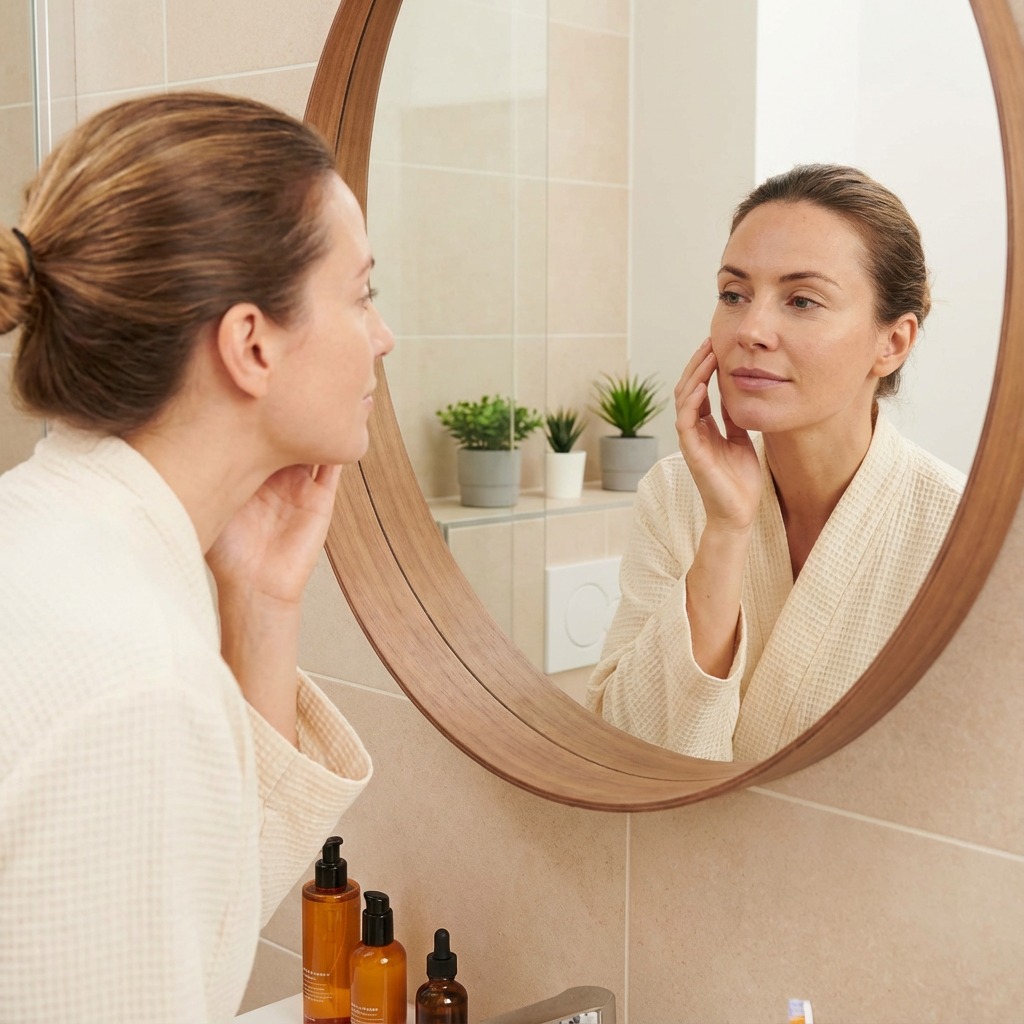
That’s how common myths persist:
- “My skin is oily, so I don’t need moisturizer.”
- “If it tingles, it must be working.”
- “This product used to work, so it still should.”
A skin care test challenges those assumptions with something more objective.
What a Modern Skin Care Test Actually Looks Like
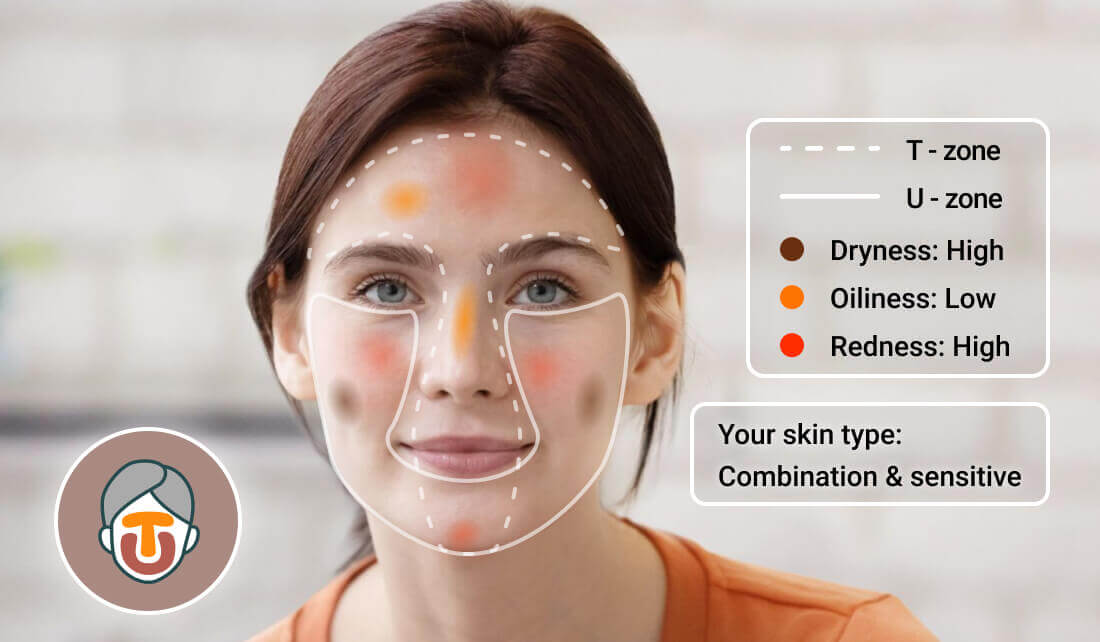
Today’s skin care tests don’t rely on long quizzes or subjective questions. They use image-based analysis to evaluate visible skin attributes directly.
In just a few moments, technology can detect details the human eye often misses—subtle texture changes, uneven tone, or early signs of dehydration that aren’t obvious yet.
It’s less about labels, and more about understanding what your skin is actually showing right now.
What a Skin Care Test Can Reveal in Minutes
A well-designed skin care test can analyze:
- Skin type beyond basic categories
- Texture irregularities
- Early pigmentation patterns
- Signs of dryness or excess oil
- Overall skin condition trends
The value isn’t just in the data—it’s in catching changes early, before they become visible concerns.
Why Skin Care Tests Are Replacing Skincare Quizzes
Traditional quizzes depend on memory and interpretation. Modern skin care tests rely on visual data.
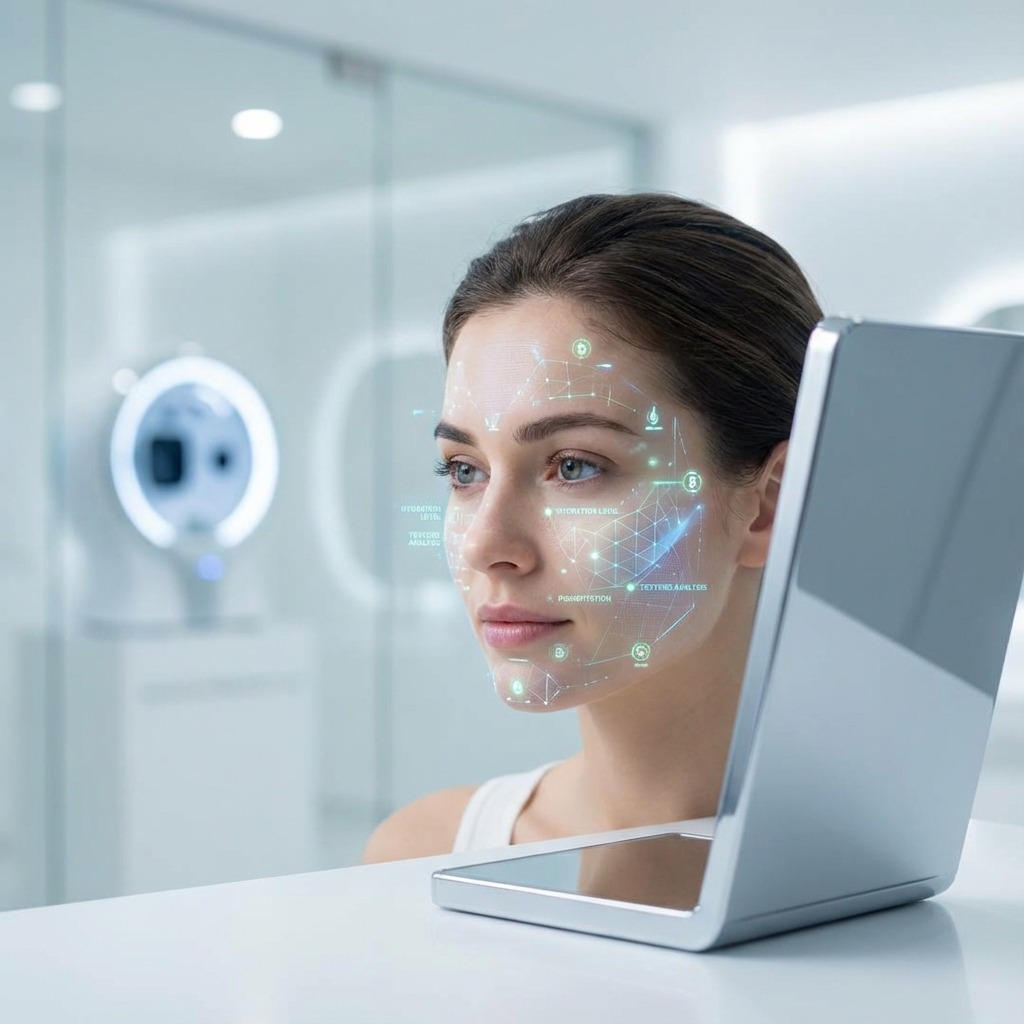
That shift matters, especially as skincare becomes more active-driven. When products are powerful, accuracy matters more than ever.
People aren’t abandoning quizzes because they’re curious—they’re moving on because they want confidence.
How People Are Using Skin Care Test Results in Real Life
For many, the results don’t lead to more products—they lead to fewer.
Some simplify their routines. Others stop using ingredients that don’t match their skin’s condition. Many retest after seasonal changes, travel, or lifestyle shifts.
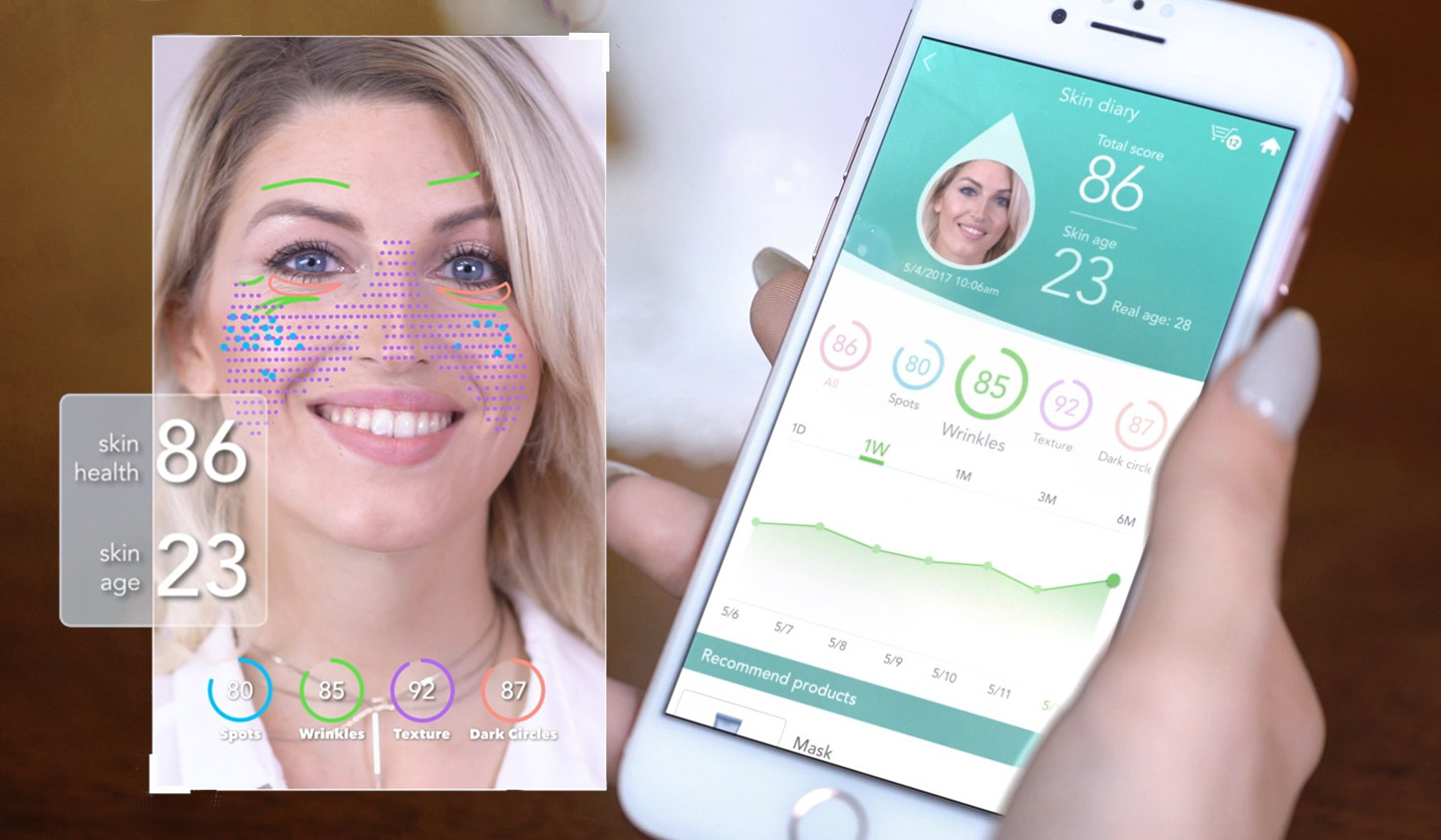
A skin care test becomes a reference point, not a one-time event.
Do You Actually Need a Skin Care Test?
You might benefit if:
- Your routine stopped working
- Your skin reacts unpredictably
- You’re unsure which products to keep or remove
- You want clarity before buying something new
It’s not about perfection—it’s about understanding.
The Future of Skincare Starts With Testing, Not Guessing
Skincare is moving toward personalization by default. As technology improves, skin care tests are becoming a natural first step—not a last resort.
Instead of trial and error, the future looks more like: test → understand → choose with confidence
And for many people, that shift changes everything.



 English


