 Author:



Glass skin is more than a beauty trend—it’s a highly sought-after skincare goal that today’s consumers actively pursue. For skincare and beauty tech businesses, it presents a golden opportunity to drive engagement, elevate personalization strategies, and increase conversions through tailored product offerings.
As the skincare market becomes more saturated, consumers are demanding solutions that are both effective and customized to their unique needs. Brands that embrace this challenge—and integrate cutting-edge technology into the customer journey—are positioned to lead the industry forward.
What Is Glass Skin?
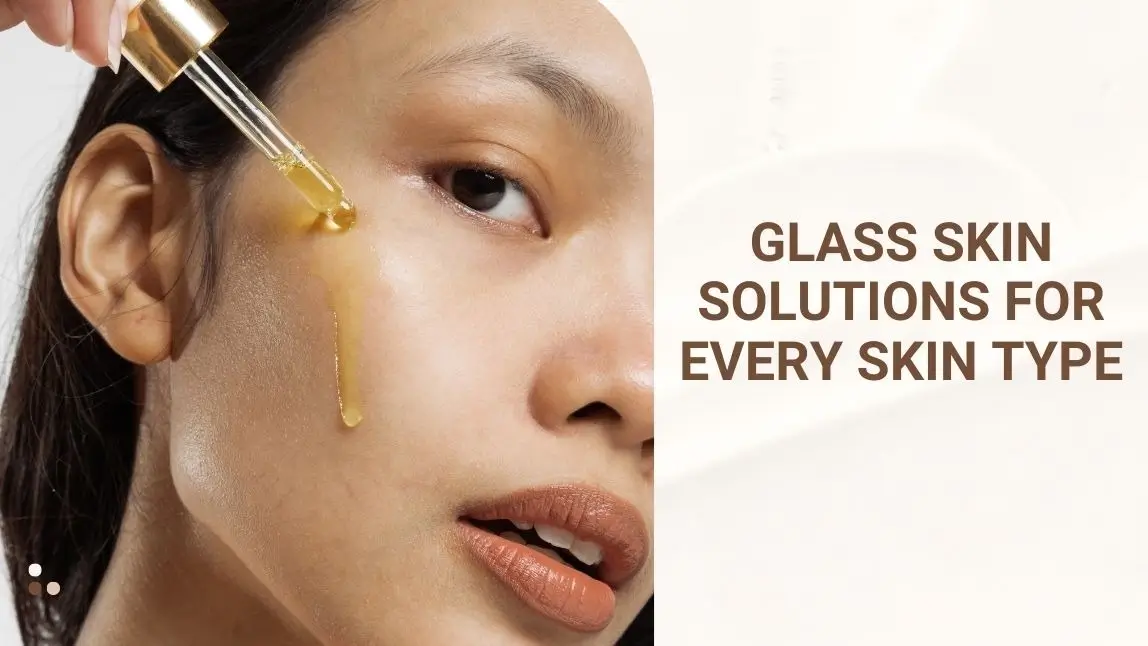
Glass skin refers to a complexion that is so smooth, luminous, and intensely hydrated that it almost appears transparent—like glass. Originating from K-beauty culture, the term has quickly gained popularity around the world and now symbolizes the pinnacle of healthy, radiant skin.
To achieve the glass skin look, skin must be free of texture, redness, and dullness while being plump and glowing from within. It’s not about makeup—it’s about skincare that nurtures deep hydration, barrier strength, and overall skin health.
For brands, this trend opens a strategic opportunity: offering personalized regimens that help consumers reach this ideal—faster and more effectively.
Glass Skin Essentials: A Framework for Product and Service Design
Helping customers achieve glass skin often involves a layered skincare routine. Here’s a breakdown of the essential steps:
- Double Cleanse – Remove makeup and impurities without stripping natural oils.
- Exfoliate – Gently slough off dead skin to reveal a smoother surface.
- Hydrating Toner – Balance the skin’s pH and prep it for deeper absorption.
- Essence – Infuse the skin with hydration and boost elasticity.
- Serum – Target specific concerns like dullness or fine lines.
- Moisturizer – Lock in moisture and support the skin barrier.
- SPF – Protect the skin from UV damage, a key step in maintaining clarity.
Why Personalization Matters
While these steps serve as a foundation, every person’s skin is unique. Factors like oil production, sensitivity, hydration levels, and pigmentation issues mean that a single routine won’t work for everyone.

This is where Perfect Corp.’s AI Skin Analysis becomes essential.
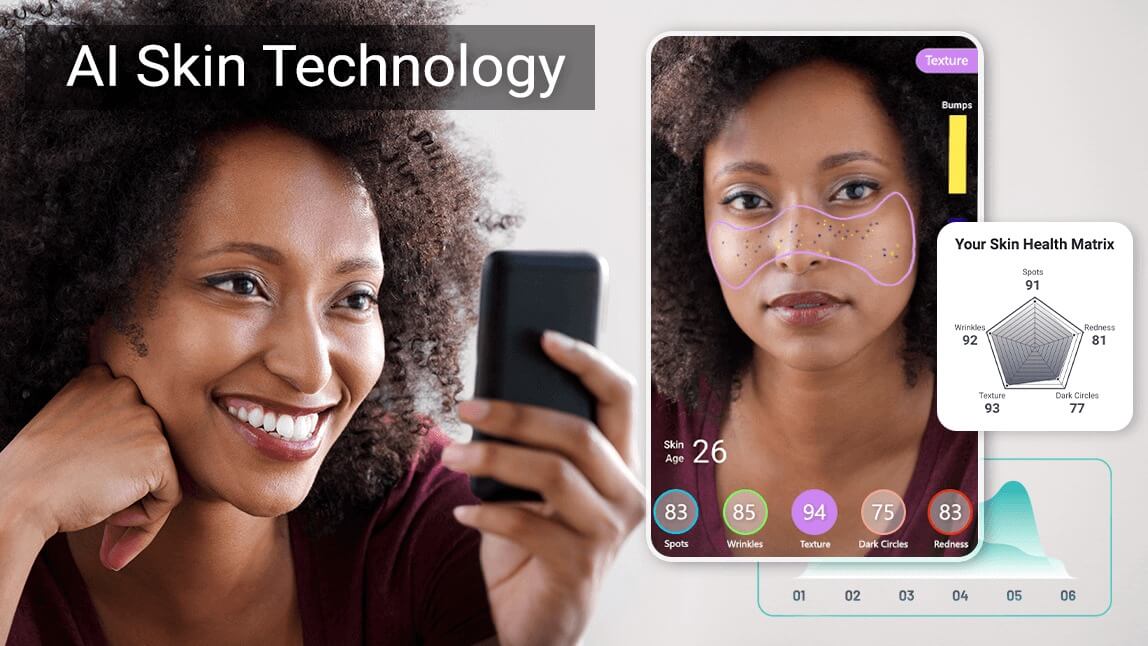
Using advanced AI algorithms and computer vision, the solution detects over a dozen skin concerns—ranging from wrinkles and redness to spots, pores, and oiliness—and recommends tailored skincare routines and products in real time.
For skincare brands, this technology enables hyper-personalized recommendations that can:
- Reduce product returns
- Increase cross-selling opportunities
- Deepen customer trust
- Drive measurable results
What Brands Have Seen With AI Skin Analysis
These results are not hypothetical. Beekman 1802 reported a double-digit sales boost among shoppers who used its Perfect Corp. AI skin experience. HOTARU PERSONALIZED passed 110,000 sessions in the first three months after launching its AI Skin Diagnostic. And one global skincare company found that 89% of users came back an average of three times a month, which is the kind of repeat visit a multi-step glass skin regimen depends on.
You can read more examples on our success stories page.
Targeted Glass Skin Solutions: Customizing Regimens by Skin Type
Different skin types require targeted approaches to achieve a glass skin glow. Below is a breakdown of how brands can tailor their offerings—powered by AI Skin Analysis insights:
Oily Skin
- Common Concerns: Enlarged pores, shine, breakouts
- AI-Driven Insights: Analyze sebum levels and detect pore visibility
- Product Focus: Lightweight gel moisturizers, oil-balancing toners, salicylic acid-based serums
Dry Skin
- Common Concerns: Flakiness, tightness, dullness
- AI-Driven Insights: Measure moisture levels and texture severity
- Product Focus: Rich creams, hydrating essences, ceramide-based moisturizers
Combination Skin
- Common Concerns: Oily T-zone, dry cheeks
- AI-Driven Insights: Detect imbalance in different facial zones
- Product Focus: Multi-functional products or zone-specific solutions
Sensitive Skin
- Common Concerns: Redness, inflammation, irritation
- AI-Driven Insights: Monitor redness patterns and skin barrier health
- Product Focus: Fragrance-free, hypoallergenic, and calming ingredients (e.g., Centella Asiatica)
Normal Skin
- Common Concerns: Maintenance and prevention
- AI-Driven Insights: Benchmark skin health over time
- Product Focus: Lightweight, antioxidant-rich daily care
With AI Skin Analysis, skincare businesses can dynamically adjust recommendations based on skin type and real-time analysis—offering a truly personalized glass skin journey for each consumer.

Comparing Ways to Deliver Glass Skin Recommendations
Most brands already give shoppers some kind of glass skin advice. The difference is how that advice gets personalized, how far it scales, and whether you keep any usable data afterward. Here is how the common approaches compare.
| Approach | How the routine is chosen | Where it works | Data you keep | Best for |
|---|---|---|---|---|
| Static routine content | One generic multi-step routine for everyone | Web and social, unlimited reach | None | Awareness content at the top of the funnel |
| Self-reported skin quiz | Shopper picks their own skin type and concerns | Online | Self-reported answers | Small, focused product lines |
| In-person consultation | Advisor's visual assessment | Counters, spas, clinics; limited by staff hours | Whatever notes the advisor records | High-touch retail and treatment settings |
| AI Skin Analysis (web, app, or in-store) | Selfie-based scan that measures over a dozen concerns, including texture, redness, pores, and oiliness | Website, app, and in-store, 24/7 | Measured skin scores you can track over time | Brands selling full regimens across channels |
| Skin Analyzer on iPad | The same AI measurements, run by staff during a consultation | Counters, spas, and clinics | Measured scores plus product recommendations | Teams that want consistent in-store consultations |
Our take: if you sell a full regimen, measured analysis is the better fit. Glass skin depends on hydration, texture, redness, and pores at the same time, and those are hard for a shopper to judge in a mirror. A quiz still makes sense for a small line with a few hero products. In-store advisors stay valuable too, and giving them Skin Analyzer means the advice at the counter matches what your website recommends. For a before-and-after preview of what a regimen could do, AI Skin Simulation shows shoppers a simulated smoother, more hydrated result.
Why Skincare Brands Should Leverage AI Skin Analysis for the Glass Skin Trend
The rise of glass skin shows no signs of slowing. As consumers become more informed and selective, they expect smarter product suggestions and visible results. This is where businesses that embrace AI-powered solutions will thrive.
By integrating Perfect Corp.’s AI Skin Analysis into your website, app, or in-store experience, your brand can:
- Offer instant skin assessments
- Recommend personalized product routines
- Drive digital engagement and satisfaction
- Set your brand apart as an innovator in skincare tech

Conclusion
Let your customers see real results—with personalized skincare backed by powerful AI. Discover how Perfect Corp.’s AI Skin Analysis can transform your skincare strategy today.
Get expert advice from Perfect Corp. and be part of the beauty tech trend. Contact us for details on beauty tech solutions trusted by 800+ brands globally.
Shared Materials by Strapi
*Adjust the size of images ONLY. Please go to Strapi to edit the materials info.
Read our “Beauty Tech: The Complete Guide” to unlock powerful ROI secrets.