


 Author:
Fast, accurate image analysis has become an integral part of modern business operations. Everything from healthcare to digital retail marketing relies on the capacity to capture, assess, and compare images.
Modern artificial intelligence systems have developed advanced functionality that makes them ideal tools for identifying critical information in images and collating that data quickly and at scale. AI data analysis enables companies to access and use image data in a fraction of the time required by traditional methods.
Perfect Corp. is a leader in the use of AI-image analysis in the fashion and beauty industries. Perfect Corp.’s AI and augmented reality application programming interface (API) tools integrate advanced image analysis into digital storefronts to elevate the consumer shopping experience.
What Is Image Analysis?
Image analysis is an umbrella term that refers to extracting meaningful information from digital images. There are countless instances where image analysis is used, ranging from examining microscopic cultures in scientific studies to generating results for search engine queries. The researcher might be comparing images to track disease progression, while a consumer might be asking a search engine to show them a variety of similar clothing items for sale.
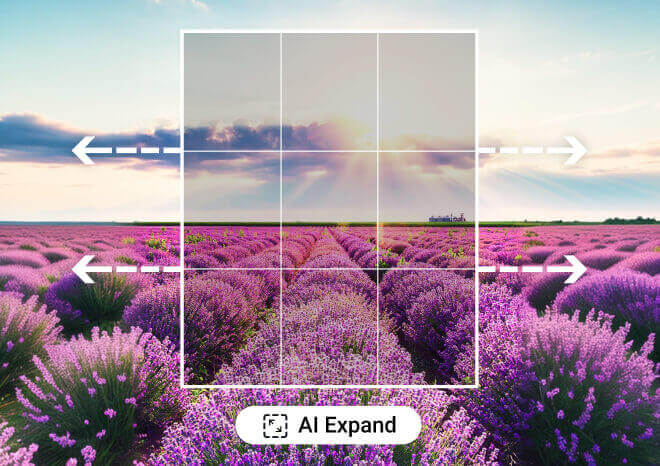
People have been using image analysis since the creation of photographs, examining images with the naked eye or a magnifying glass to identify specific details and compare them across photos. Advances in computing technology have enabled digital systems to perform image analysis more quickly and at a greater scale than doing so by hand.
Traditional digital image analysis relies on engineers creating mathematical and statistical methods to define the information they want a computer to identify. These functions typically include a limited range of capabilities such as filtering, edge detection, segmentation, and morphological operations.
Artificial intelligence (AI) and machine learning models (MLM) have led to advanced image analysis techniques that don’t require the same level of specialized coding. MLM systems deploy a series of learning algorithms that can break down visual data into mathematical representations. Computers can then decode these mathematical models. The system learns to “understand” images, enabling it to perform tasks such as classification, detection, and segmentation.

Key techniques in image analysis include:
- Feature detection: Systems can detect key features such as edges, corners, or textures and create a labeled feature map, noting the presence of features in specific parts of the image.
- Object recognition: AI systems can delineate individual objects in an image according to specified categories.
- Segmentation: AI segmentation delineates objects in an image at the pixel level.
- Pattern matching: Systems recognize recurring structures, trends, or anomalies in images.
- Quality scoring: AI systems can be trained to assign numeric values to images according to a scale determined by the user.
Advanced image analysis can support customer-centered features in online retail environments. Shoppers can securely upload images, and AI systems can deliver speedy, accurate, bespoke guidance for a truly personalized shopping experience.
How AI Is Transforming Image Analysis
AI image analysis has transformed online engagement for beauty and skincare shoppers. Before the wide availability of AI, image tracking was performed manually and could only be done retroactively. This might have involved an aesthetician taking a series of photos of a client over time, personally identifying and labeling visible changes from a treatment regimen, and making educated guesses about future effects.
The multi-factorial abilities of AI-image analysis automate those functions, saving time and enhancing processing capacity. Moreover, AI systems have a level of multi-context understanding that enables them not only to identify elements of an image but also to make smart predictions about how different actions could alter those components.
Put simply, AI can compare a series of client photos, identify the effects of a beauty treatment, and make recommendations for future treatments in a fraction of the time it would take a human.
In addition, AI tools can generate images depicting the predicted outcomes of treatments. This helps customers visualize the benefits, making them more confident about the treatment. AI can deploy similar functions for fashion brands, assessing an image of a person and predicting how clothing or accessories would look on the individual. These predictive abilities increase customer confidence, which can drive sales.
Beauty & Skincare
AI analysis has enhanced the online shopping experience for beauty and skincare by offering fast and precise advice. Customers can upload a smartphone image to a website or mobile app and get a detailed data set in seconds. AI tools then use these images to provide:
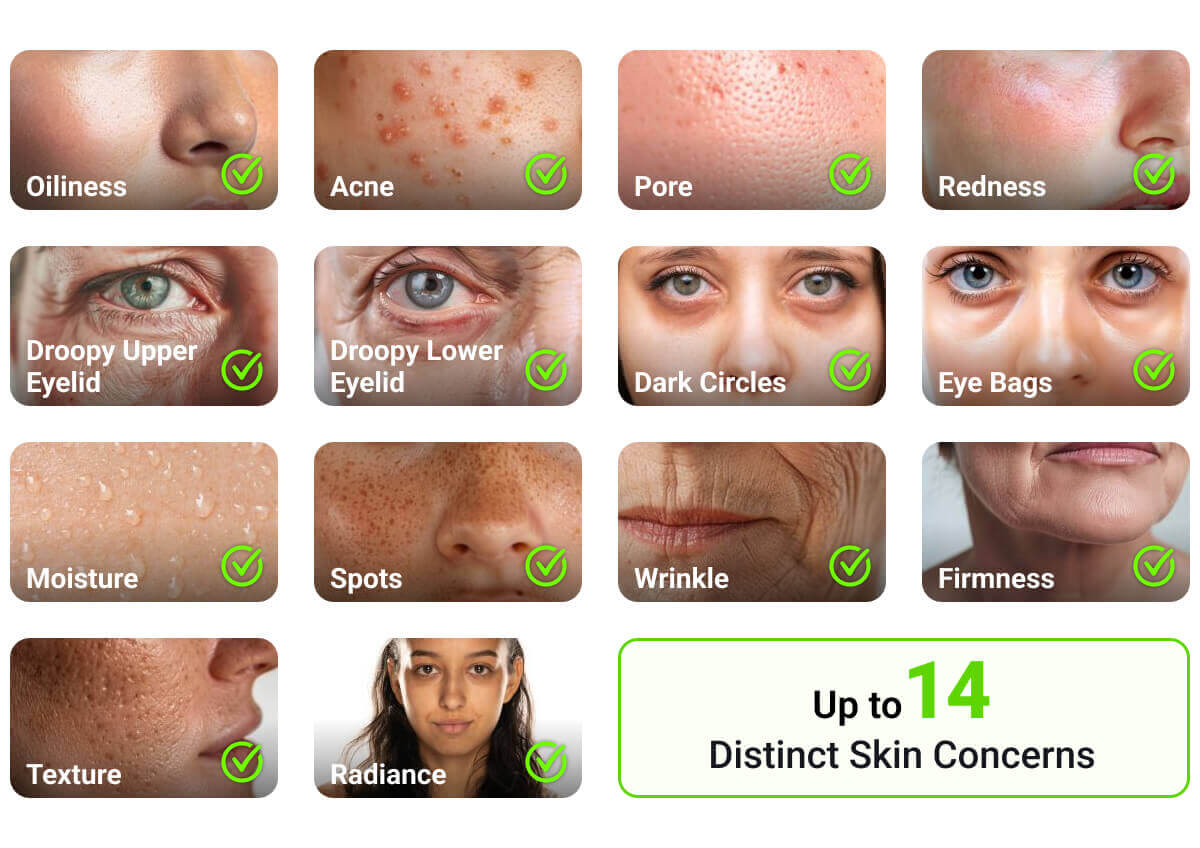
- Instant skin condition analysis, noting and grading concerns such as wrinkles, hydration, acne, or skin tone and texture issues
- Consistent scoring based on established dermatology grading systems, with accuracy that is continually improved as more data is inputted and analyzed
- Personalized product recommendations that address the skincare needs detected via the image
Retail & E-Commerce
Online shopping is one of the most popular ways to buy clothing and accessories. AI tools have helped shoppers overcome uncertainty about fit, color, and compatibility when shopping online by allowing “virtual try on” and “see in my room” options.
Image analysis has also expanded the utility of online searches, giving users the ability to search for images rather than keywords. AI APIs can "dress" images in clothing, offering shoppers an accurate idea of how items will fit them. The system can also make appropriate suggestions for accessories like shoes, belts, and jewelry.
Users can snap a photo of an item “in the wild” and use a search engine to gather relevant information such as brand, price, and availability. In some cases, similar technologies can also be used as an AI image detector to analyze visual patterns and determine whether an image may have been generated or altered using artificial intelligence. Image search can also be used to comparison shop, so users can hunt for similar items in different colors, price points, or sizes.
Visual search enables shoppers to enter search terms or upload images similar to items they're looking for. AI image analysis tools can scan the web for similar images. The search results appear as a gallery of available items, along with recommendations for similar or coordinating items that may interest them.
Fashion & Accessories
Virtual try-on features have become widely available on clothing retailers' websites and apps. Shoppers can upload their photos, and AI tools can generate an image of how they would look wearing an item.
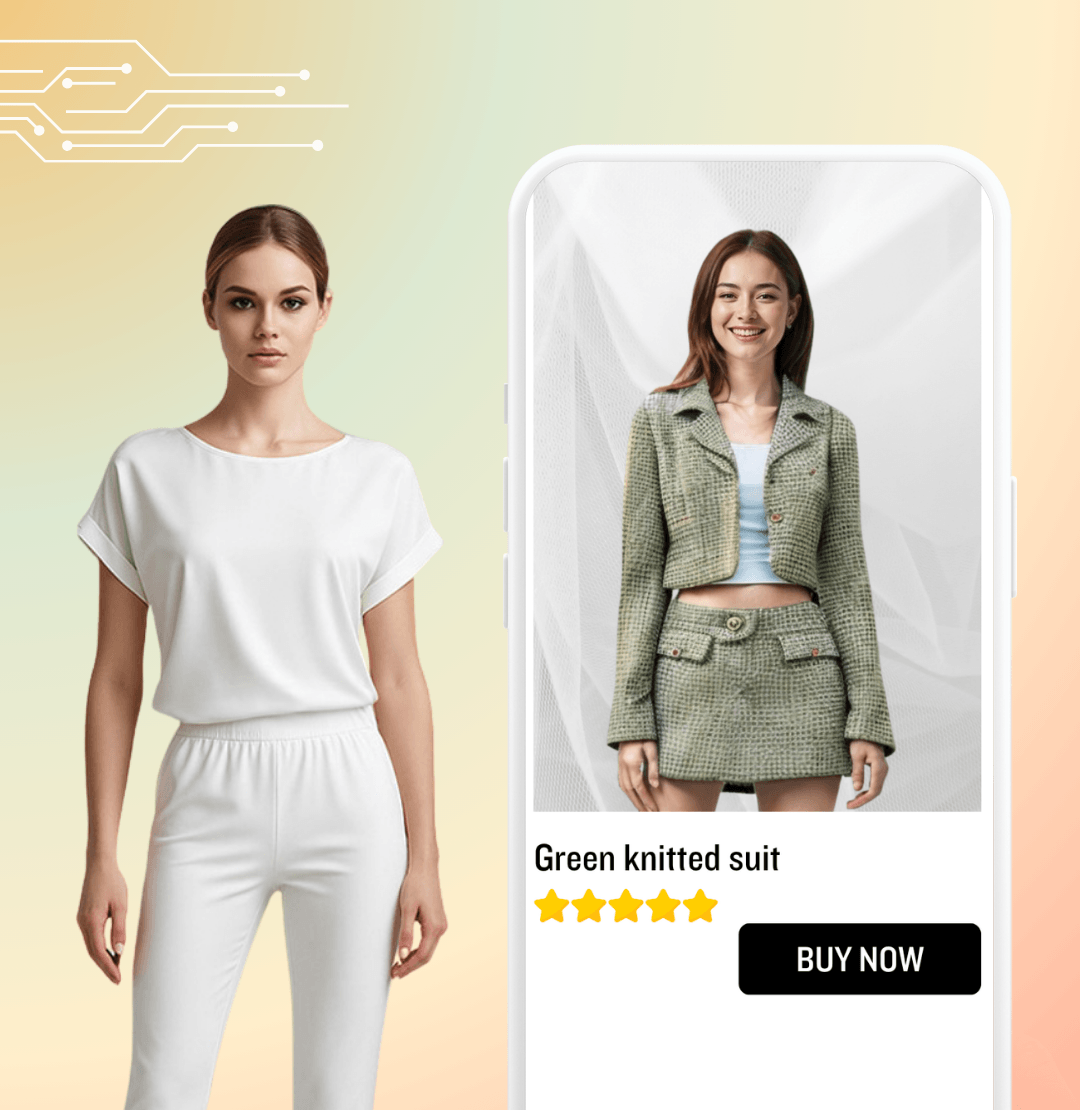
Advanced features can now make suggestions for other items based on user preferences, body-shape information gathered through image analysis, and the AI system’s understanding of the brand’s clothing inventory.
Marketing Automation & Customer Experience
AI-image analysis can be used for developing an accurate customer profile. Shoppers can upload selfies when creating a user account. Using that, along with customer responses to text questions about style preferences, skincare concerns, or haircare habits, AI systems can quickly create customized product recommendations. This creates a bespoke shopping experience that can increase customer engagement with the brand and build brand loyalty.
AI image analysis systems can track user-generated content by running searches for hashtags or looking for user-posted images that match inventory items. This includes social posts, product reviews, and videos. Brands can then share and link to these posts to increase their reach and boost interest.
Inside Perfect Corp.’s Image Analysis API: Key Capabilities
Perfect Corp. has developed a suite of imageanalysis APIs that can seamlessly integrate into existing digital platforms, including websites and mobile apps. Brands can use these powerful computer vision features to deliver an elevated customer experience.
Perfect Corp. AI systems have been trained on millions of images, which allows them to deliver near-instant, customized suggestions for beauty and skincare products that address customers’ exact needs. Businesses can use a range of Perfect Corp. APIs singly or in combination:
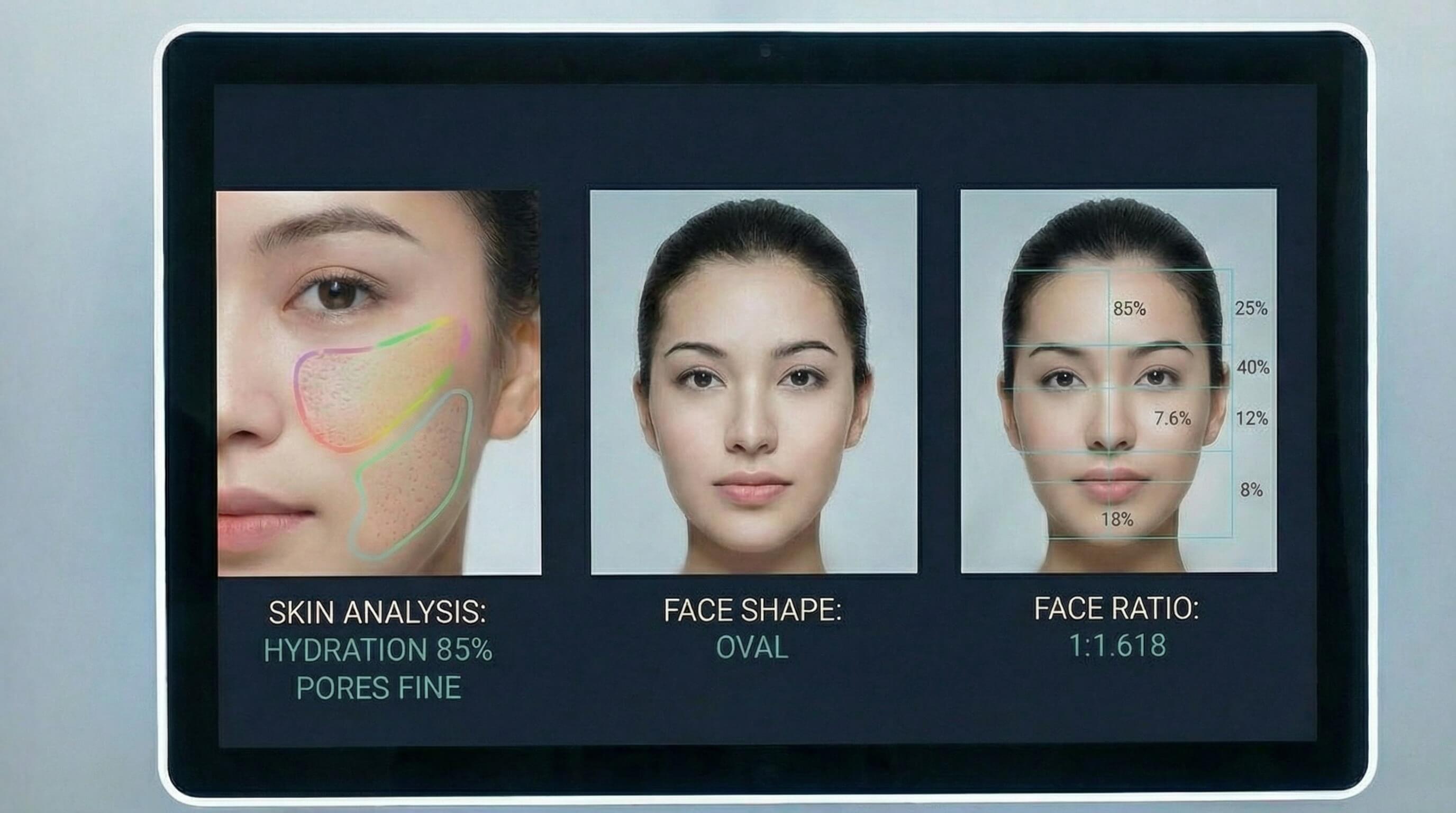
- AI Skin Analysis API: 20+ skin metrics, dermatologist-verified
- Face Attribute Detection API: Age estimation, face geometry, feature mapping
- Facial Detection API: High-precision mapping for virtual try-ons
All Perfect Corp. tools are equipped with built-in image quality checks. The tools can assess images for proper lighting, positioning, and format before analysis, ensuring accurate results.
Perfect Corp. cloud-based APIs provide easy integrations, enabling fast enterprise-grade deployment across multiple platforms. The tools have been developed using a library of over 70,000 medical-grade images, and their results demonstrate 95% test-retest reliability in studies.
How Brands Can Benefit from Implementing Image Analysis APIs
Image analysis APIs provide simple solutions for brands seeking to elevate customer engagement. The image analysis API gives customers a hyper-personalized shopping experience that scales as brands grow. The consistent, science-backed results from Perfect Corp.'s image analysis build brand authority and customer confidence, increasing conversion rates and sales.
Perfect Corp. provides comprehensive support and automatic updates for its API tools, reducing operating costs related to system development and the burden on internal IT staff.
Choose Perfect Corp. as a Trusted Partner in e-Commerce AI APIs
Consumers recognize the value AI tools bring to their online shopping experience by providing hyper-personalized recommendations, quickly and easily. That's why they are increasingly seeking them when interacting with brands across the internet.
Perfect Corp. is a leader in AI and AR APIs that help beauty and skincare brands deliver customized, conversion-driven experiences at scale. To learn more about Perfect Corp.'s AI image analysis APIs for digital beauty and skincare platforms, request a free demo.



 English


